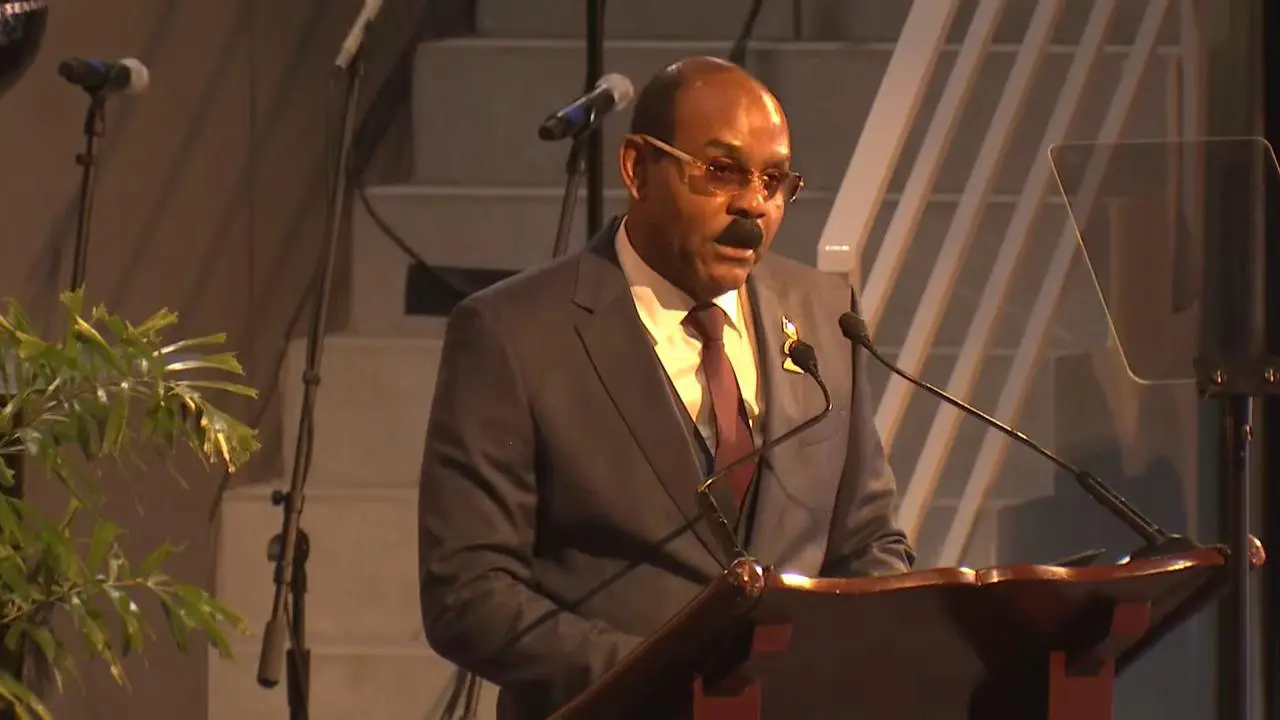
—Antigua PM reports funding pledges for nature, health initiatives
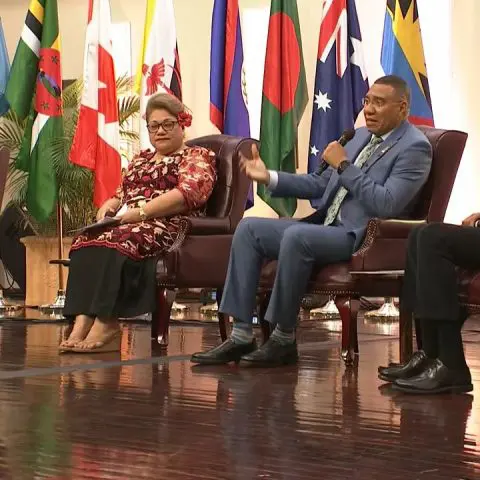
Commonwealth member countries have submitted investment-ready projects valued at US$52 billion, Secretary-General Shirley Botchwey said as leaders gathered in Antigua and Barbuda for a summit focused on turning partnerships into investment and jobs.
Addressing the opening of the Commonwealth Heads of Government Meeting (CHOGM), Botchwey said leaders were being connected directly with investors, with a trade and investment conference planned for next year to advance that work.
Host Prime Minister Gaston Browne, meanwhile, said the Commonwealth Nature Initiative had raised more than $200 million and an iHealth forum had secured pledges exceeding US$1.3 billion. He did not specify the currency of the nature initiative’s funding in his remarks.
Browne said partnerships had already been formed and substantial funding pledged, arguing that the meeting was beginning to deliver on its promise of practical results.
Botchwey, attending her first CHOGM as Secretary-General, said the Commonwealth needed a new model of cooperation capable of responding to the scale of challenges confronting its members.
“Our members have submitted bankable projects valued at 52 billion United States dollars, and this week we are connecting leaders directly with investors,” she said.
The proposed conference would bring together trade, finance and investment ministers with chief executives to reduce barriers and advance the goal of US$2 trillion in trade between Commonwealth countries.
Working with trade and investment advisory groups, the organisation expected the conference to help facilitate investment across its membership, she said.
Botchwey argued that traditional divisions between the responsibilities of governments and businesses needed to be reconsidered.
The Commonwealth’s network of 56 countries and 2.7 billion people was large enough to pursue change globally while retaining relationships that could help deliver it, she said.
“Our people will judge this meeting by what it delivers for them,” she told heads of government.
Both Botchwey and Browne called for changes to international financing arrangements, saying debt rules and restrictions on concessional funding were holding countries back.
Browne said national income alone could not adequately measure a country’s vulnerability or its ability to withstand repeated shocks.
A single hurricane could destroy infrastructure and livelihoods while forcing governments to redirect money from education, healthcare and economic development to recovery, he said.
He urged wider use of the Multidimensional Vulnerability Index alongside existing financing criteria, faster access to climate finance and debt arrangements that allowed countries room to recover.
“No nation should be forced to mortgage its future simply to survive the present,” Browne said.
Countries with capital, technology and influence in international financial institutions had a responsibility to help advance those reforms, he added.
Botchwey said the Commonwealth was working towards a common platform to press for changes to the international financial system.
She also outlined work with private-sector partners to improve access to renewable energy financing, accelerate insurance payments after disasters and restore damaged habitats through the Commonwealth Nature Initiative.
Countries least responsible for climate change continued to face some of its gravest consequences, she said, pointing to hurricane destruction in Barbuda and Jamaica.
Browne similarly called for investment in renewable energy and resilient infrastructure, saying it could protect communities, reduce dependence on fossil fuels and create business opportunities. Such investment must be accompanied by efforts to cut global emissions, he said.
On reparatory justice, Browne urged leaders to carry forward the commitment made at the previous summit in Samoa to a meaningful, truthful and respectful conversation.
“We must now carry that commitment forward in inclusive dialogue on the enduring consequences of slavery and colonialism with a determination to make progress and a willingness to build consensus,” he said.
Browne argued that the Commonwealth’s relevance must be demonstrated through results rather than history or sentiment.
He called for simpler customs procedures, stronger transport links, improved access to trade finance and predictable investment arrangements, particularly to support small and medium-sized businesses.
“The resources are there. The needs are there. What is required is the collective will to connect them,” he said.
He also urged clear responsibilities, realistic timelines and measurable outcomes, with progress reported between summits.
Both speakers emphasised opportunities for young people. Botchwey said private capital was being mobilised to expand distance education to millions, while Browne called for scholarships, research partnerships, professional exchanges and access to digital technology.
Women must have equal access to those opportunities, Browne added.
As Commonwealth Chair-in-Office, he pledged to work with member governments, the Secretariat and Botchwey to advance the agenda.
“Let us ensure that the Commonwealth is not simply an association we inherited, but an institution whose value we continually prove,” he said.








Discussion