`This case represents a test of Guyana’s institutions on whether they are capable of holding the ‘powerful’ accountable’
The Women and Gender Equality Commission has questioned the police leadership’s response to sexual assault allegations against Deputy Commissioner Fazil Karimbaksh, saying the case tests whether Guyana’s institutions can hold powerful persons accountable.
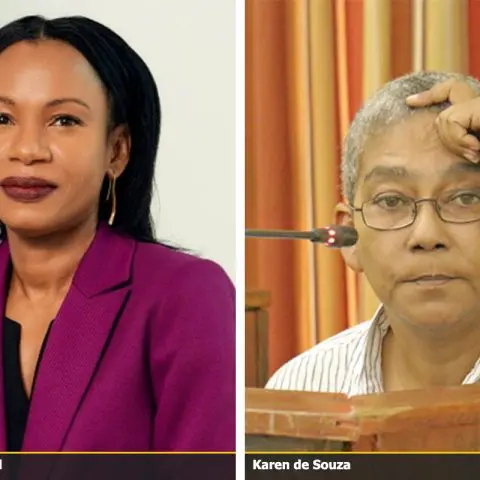
The statement, signed by Commission Chairperson Indranie Chandarpal and headed “Culture of Sexual Misconduct and Impunity”, expressed concern about what it described as the “deafening silence” of the force’s executive management.
It questioned whether the accused officer – who it did not name – had been relieved of his duties and called for protection of the complainant, a serving police officer.
“No one in this country should ever be made to choose between their safety, their dignity and their livelihood,” the commission said.
“This case represents a test of Guyana’s institutions on whether they are capable of holding the ‘powerful’ accountable.”
The commission said it had spent several years educating the public, particularly persons in the workplace, about sexual harassment and sexual offences, while encouraging reporting despite the fear and embarrassment complainants may experience.
It described allegations of sexual abuse within the police force as particularly unacceptable, given the institution’s responsibility to serve and protect the public.
The commission praised the officer for coming forward but questioned the action taken after her report to the minister.
“Was the high-ranking officer relieved from duty as is customary in this type of case?” it asked.
The statement said the complaint appeared to have resulted in the officer being transferred. Walrond, however, stated during the Starting Point podcast that the transfer was made at the complainant’s request.
Confrontation
The commission’s statement does not examine Walrond’s announcement that investigators would obtain statements from relevant persons and Karimbaksh, followed by a “formal confrontation”.
Section 42 of the Sexual Offences Act protects a complainant from being required to recount her complaint in the accused’s presence unless she wants to do so. It also restricts compulsory encounters with the alleged perpetrator to identification procedures conducted under arrangements sensitive to the complainant’s wellbeing.
Walrond did not explain whether the complainant had requested a confrontation or how the proposed procedure would comply with those protections.
Kiskadee Watch reported on October 3 that the police statement issued after Walrond’s disclosure did not name the accused, identify the investigative team, provide a timetable or announce whether Karimbaksh had been placed on leave. Police pledged a professional and impartial investigation and due process for all parties.
The gender equality commission said ministers, agency heads and law enforcement officials had a particular responsibility to protect the rights of those under their care.
“Human Rights are meaningless if those who violate it are protected by the very institutions charged with upholding said rights,” it said.
Karimbaksh has not publicly responded to the current allegation.










Discussion