The Amerindian Peoples Association (APA) has called for the protection of ancestral lands and recognition of customary land use, warning that mining, encroachment and environmental degradation threaten Indigenous communities’ ability to feed themselves.
In a statement marking World Food Day today, the association said food security must be accompanied by the right of Indigenous Peoples to determine their own food and agricultural systems.
“Our food security is closely connected to the protection of our lands and territories,” the APA said, identifying climate change and the loss of access to traditional hunting, fishing and farming grounds among the threats facing communities.
The association said Indigenous food systems encompass more than nourishment, sustaining cultural identity, traditional knowledge, spirituality and practices passed between generations.
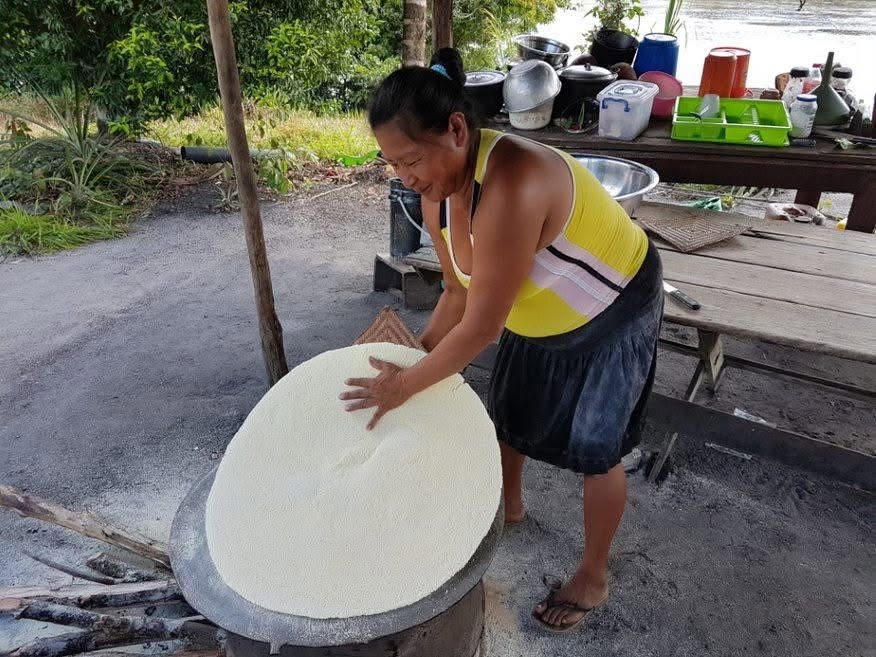
Across Guyana, communities continue to depend on farming, fishing, hunting and gathering, including the cultivation of cassava, sweet potato, plantain and other local crops. These activities draw on generations of knowledge about soils, rivers, forests, seasons and biodiversity, it said.
The APA distinguished food security—reliable access to sufficient, safe, nutritious and culturally appropriate food—from food sovereignty, which it said includes control over food-producing resources and decisions about how food is grown, harvested, shared and consumed.
Achieving food sovereignty requires secure ancestral lands, recognition of customary practices and meaningful participation in decisions affecting natural resources, the association said.
It also called for greater support for Indigenous farmers, fishers, hunters and gatherers, and respect for the knowledge holders who help sustain traditional food systems.
“This World Food Day, let us recognise that there can be no lasting food security without secure lands and healthy ecosystems,” the APA stated. “Protecting our lands means protecting our food, our cultures, and our future.”











Discussion