Police should not detain vehicles over unpaid traffic tickets but must proceed against the persons required to answer the charges, Attorney General Anil Nandlall has said.
Speaking on his programme, Issues in the News, Nandlall said members of the public, including media workers, had sought clarification on the electronic ticketing system and police powers in enforcing outstanding tickets.
“The police are not to detain the vehicle for an unpaid ticket. The police need to go against the driver or the owner,” he stated.
He explained that where someone is driving a vehicle with outstanding tickets but is not implicated in the offences, the vehicle ought not to be detained. Police must instead pursue the person identified in the ticket or notice.
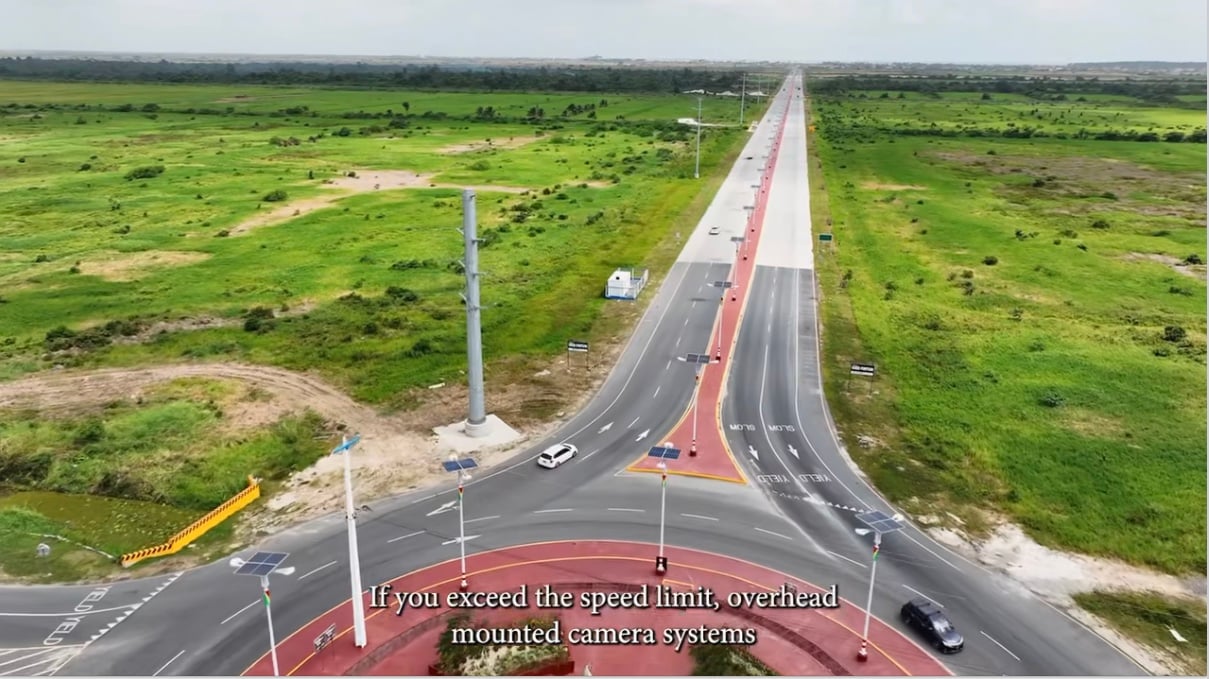
The automated speeding-ticket system was introduced on April 7, 2025 under the Safe Road Intelligent System (SRIS), a collaboration involving the Guyana Police Force and the National Data Management Authority. Stabroek News reported that the system uses cameras to detect speeding and automatically generate tickets, with notices dispatched electronically or delivered physically where contact details are unavailable.
Ahead of the rollout, Traffic Chief Mahendra Singh had acknowledged that a registered owner could receive a ticket for an offence committed by another driver. Stabroek News reported on April 3, 2025 that Singh said the legislative amendments allowed the owner to identify the driver and contest the ticket in court. The speeding fine at the time was $7,500.
Nandlall explained that because the electronic system holds the particulars of the registered owner, that person would initially receive the notification and would have to explain to the court if someone else had been driving.
He said amendments made to the motor vehicles legislation in 2024 established procedures for electronic ticketing where a photographic image or video recording captures speeding or another ticketable offence.
Under the process he outlined, an SMS message is sent to the registered owner’s mobile phone, notifying the owner of the offence and advising that an electronic notice would follow by email.
The notice, he said, sets out the complaint and identifies the Magistrate’s Court at which the recipient must appear, along with the date and time.
Nandlall also outlined notification and service through SMS, email, registered post and personal delivery by a police officer.
During the initial rollout, Singh told Stabroek News that more than 200 tickets had been printed and sent to the Guyana Post Office Corporation for delivery to persons who could not be contacted by SMS or email. Motorists were urged to update their telephone numbers and email addresses at the Guyana Revenue Authority to facilitate notification.
Where the registered owner appears in court and indicates that someone else was driving, Nandlall said the magistrate would issue a summons for the person identified, who would become a co-defendant.
If the charge is contested, the matter would proceed to trial and a fine would be imposed if the offence is established, he explained.
A recipient who accepts responsibility could instead pay the ticket through the magistrate’s clerk without appearing before the magistrate, he added.
The system has since been expanded. Stabroek News reported in December 2025 that speed cameras and radar signs were being activated on the Bharrat Jagdeo Demerara River Bridge, with speeding violations triggering the automatic generation of tickets.
In February this year, Home Affairs Minister Oneidge Walrond defended the system during consideration of the national estimates, saying tickets were generated automatically regardless of the identity of the driver or vehicle owner. According to Stabroek News, she explained that emergency vehicles were also captured, although tickets could be disregarded following police verification under an existing policy.
Nandlall said the public needed a clear understanding of the procedures and pointed viewers to the July 15, 2024 Official Gazette for the amendments.
While expressing the view that electronic ticketing had worked, he said the law needed to be explained so that those affected understood their obligations.












Discussion