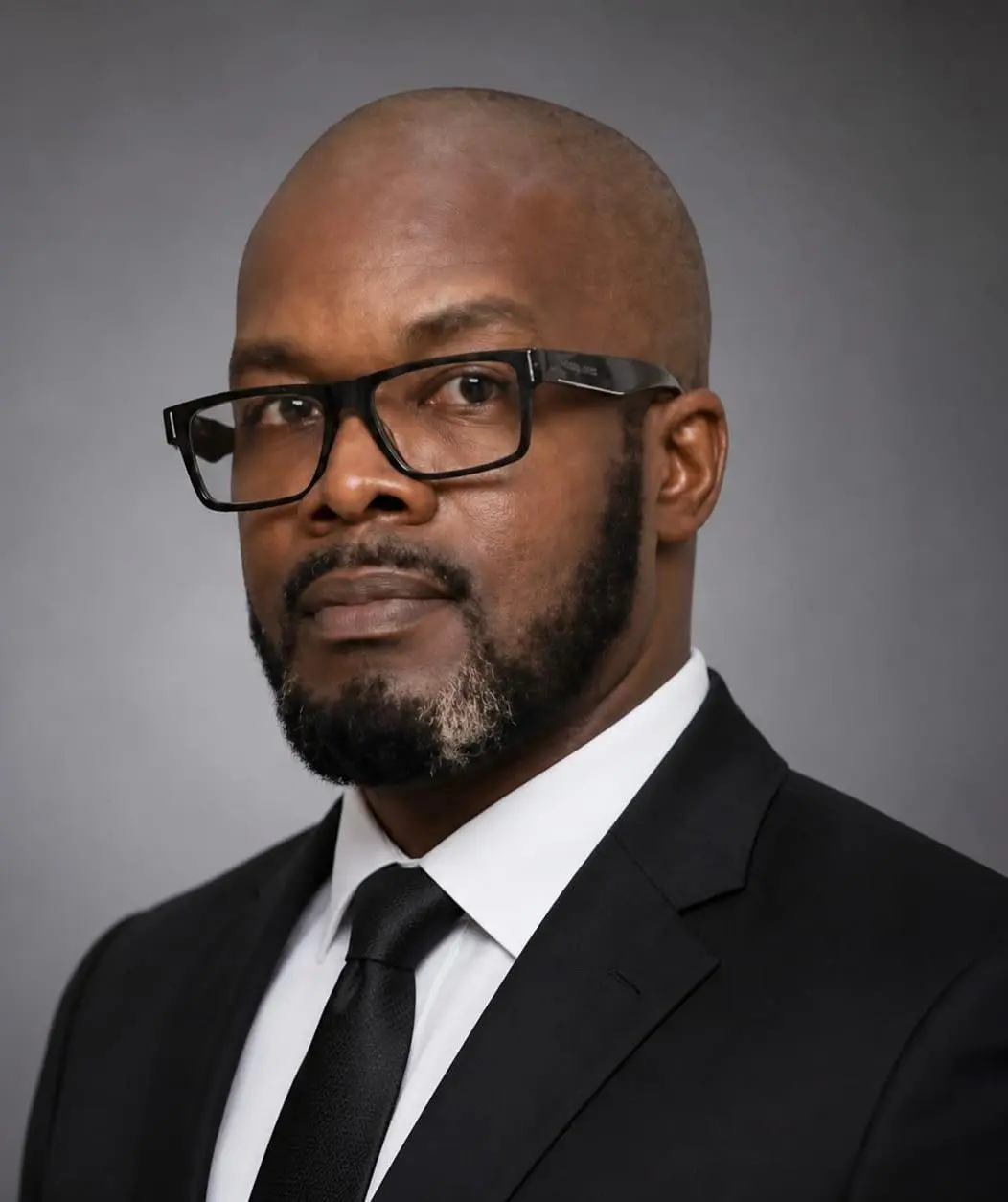
An excessive focus on examinations, reduced parental engagement and growing dependence on electronic devices are depriving children of experiences important to their mental and emotional development, clinical and educational psychologist Wil Campbell says.
In a recent interview with Kiskadee Watch, Campbell called for parents and educators to give greater attention to children’s overall development, including time for play, social interaction, physical activity and spiritual life.
He also expressed concern about vaping among primary and secondary schoolchildren and urged greater parental engagement and education about its dangers.
Campbell said that over the past 20 to 30 years, changes in family and community relationships, coupled with consumerism, individualism and social media use, had contributed to the mental health challenges he was seeing among young people.
“We have moved away from the days when the village raised the child, and it’s now where everybody fights for oneself. We’ve become very consumeristic, parents spend less time with their children, and there is less guidance and nurturing. Some of us believe that if we give our children the things that we did not get, they will be better off than us.”
Providing material possessions, he argued, could not replace the guidance, nurturing and personal connections children needed.
Campbell heads the International Centre of Excellence for Education, Innovation and Leadership and Development within the University of Guyana’s Faculty of Education and Humanities. A former schoolteacher, he also lectures at the university and has practised clinical and educational psychology locally for more than ten years.
He explained that educational psychology examines the mental, emotional and social processes that support or inhibit learning, and helps teachers understand how children and adolescents learn.
Campbell said the pressure surrounding the National Grade Six Assessment (NGSA) and Caribbean Secondary Education Certificate (CSEC) examinations often left children with little opportunity to develop outside the classroom.
“Lots of time, the pressure to perform is unnecessary. Children are going to succeed whether they attend Queen’s College or not. Children are going to succeed whether they get five subjects or 25. With the increasing pressure to perform, they lose a lot of play time and social interaction is lost.”
He described schedules in which children left home early for classes, spent the day at school, attended afternoon lessons and then returned home to homework and further study. Such routines, he said, left little room for unstructured interaction with other children.
“Play is an extremely vital component of the developmental process particularly for younger children.”
Through games such as “sal-out”, “catcher” and “war break”, children learnt to take turns, negotiate, settle disagreements and find solutions to problems, he said.
While organised sporting activities were valuable, Campbell said they did not always provide the same opportunities for children to work things out independently.
“In the structured setting there is always a more knowledgeable adult or a coach telling you what to do and the learning opportunity among young people finding solutions to their own problems is lost.”
He urged parents not to withdraw children from clubs, swimming classes or church activities simply to make more time for extra lessons.
Campbell supported additional tuition where a child was struggling and needed individual attention, but questioned the practice of enrolling children in lessons for every subject.
“I believe in targeted intervention but not the broad brush of going to lessons for all the subjects because everyone else is doing it.”
The emphasis on examination results, he said, extended from government and schools to parents, with success frequently measured by national rankings, the number of subjects passed and places on honours lists.
He argued that this left little space for those advocating a broader approach to children’s development.
Campbell also encouraged teachers to limit homework to what was needed to reinforce learning, allowing children time for other activities.
“Minimise homework so that children have more time for other developmental activities.”
Excessive
He said excessive reliance on phones and other devices was another concern, particularly where virtual relationships displaced personal contact.
“So, the cell phone has become an appendage and children’s social connections are virtual which do not have the psychological benefits of real connections. We depend on these connections. When they are depressed, which one works? A hug emoji or a real hug?”
Children needed to build relationships with people who could provide support when they were distressed, he said.
Campbell also linked some bullying behaviour to feelings of rejection and a lack of effective guidance.
“They say bullies are cowards. I want to say that bullies are people who feel rejected. They feel that the only way to be seen, heard and appreciated is to throw their weight around.”
On vaping, Campbell said the practice was occurring in both primary and secondary schools and required greater attention from parents and the education and health authorities.
“Children who have better information make better decisions.”
He called for legislative intervention to prevent sales to children. However, Guyana’s Tobacco Control Act 2017 already prohibits the sale of electronic delivery systems and their components to anyone under 18. The Act covers both nicotine and non-nicotine electronic delivery systems.
Campbell said teachers’ mental wellness also required attention, given the emotional demands of their work and the expectations placed on them.
During professional development sessions, he sought to help teachers protect their own mental health while applying psychological principles in the classroom.
“I also try to help them understand how they can apply psychological principles to maximise the teaching and learning experience without psychologically injuring the children. That includes the way we discipline them.”
Teachers were expected to establish relationships with many children each day, often without sufficient resources or recognition, he said.
Campbell reported that research he and a colleague conducted two years ago found that more than 40 per cent of the local teachers studied were experiencing burnout.
“Teachers are underrated, underestimated and they don’t get the respect they deserve. Very often they don’t get the resources they require or deserve and yet they are expected to produce at a higher level.”
He said the strain arose partly from the sustained emotional connections teaching required, alongside increasing demands on the profession.
Turning to adults, Campbell said weaker community relationships had reduced the informal support people once received from neighbours and others around them.
He recalled communities in which families could turn to neighbours for food or assistance with supervising children. Increasing individualism, he said, had weakened those networks.
The pressure to acquire larger houses, more vehicles and other possessions was also affecting relationships, he argued.
“Acquiring more has become our focus, and we don’t have time for social connections. When we do meet socially, it is more of a competition than connection. I think these have led to the increase in mental illness among the adult population.”
Campbell called for more comprehensive mental health services, alongside greater investment in prevention.
People experiencing mental illness needed support beyond medication, while families needed practical guidance on maintaining mental wellness and adapting their parenting approaches, he said.
“We need to support parents and help them to understand what it means to be a good parent.”
He said parents should be helped to respond to present-day challenges without feeling that they had to abandon the principles with which they were raised.
Campbell also called for a broader approach to suicide prevention, saying that awareness activities should extend beyond designated observances.
“It is much more than stopping people from taking their own lives. It is more about helping people improve their mental wellbeing. It is more than locking up the chemicals and more than medicating those who are depressed.”
He identified poverty, alcohol misuse and inadequate support as issues requiring attention, and urged a more proactive response.
“There are so many factors and I am not sure we are covering all the bases in Guyana. We are more reactive instead of proactive. We need to have a more holistic approach to suicide prevention in Guyana.”
Campbell nevertheless said he believed progress had been made through greater awareness, increased access to practitioners and the decentralisation of mental health services.
He also believed reduced access to agricultural chemicals had contributed to improvements.
When he returned to Guyana about 12 or 13 years ago, he recalled, there were only two psychiatrists and four or five psychologists. While those numbers had increased, he said more practitioners were still needed.
More workplaces were providing counselling opportunities, and organisations were using mental health observances to educate their members, he noted.
“We still have a way to go in destigmatising mental illness, but we have improved.”













Discussion