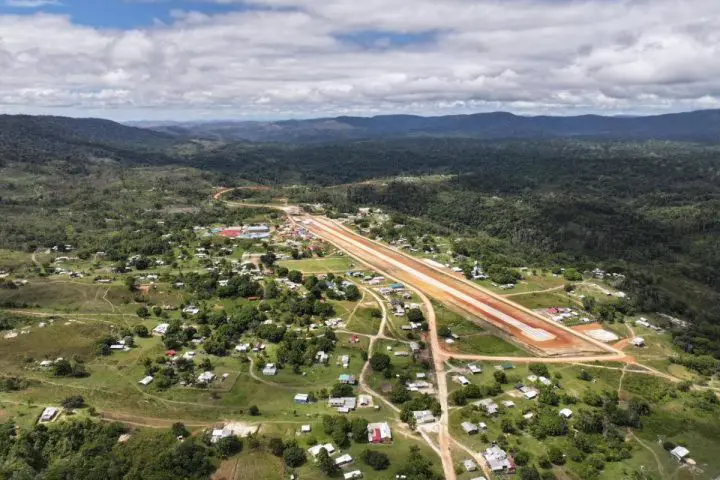
—operators must assess risks before changes to facilities and operations
Operators of certified aerodromes must establish runway safety teams and assess risks before implementing changes to their facilities and operations, under amended aviation requirements published in the October 12 Official Gazette.
The Civil Aviation (Amendment) (No. 2) Requirements for Certified Aerodromes 2026 amend the 2024 framework and require operators to establish, implement and maintain safety management systems appropriate to their activities.
Runway Safety Teams must include representatives of organisations involved in runway operations. Their responsibilities include identifying hazards, reviewing safety performance and developing measures to address runway incursions, excursions and other occurrences.
The amendments also require procedures for assessing risks arising from changes to infrastructure, equipment, systems, staffing, organisational arrangements and external services.
“Any such change shall be assessed prior to implementation,” the requirements state.
Safety assessments must cover routine operations, contracted activities and external providers whose work may affect aerodrome safety. The instrument does not identify individual facilities’ compliance status.
The publication comes amid continuing concerns about animals, people and other obstructions on hinterland runways and general concerns about transportation safety in the aftermath of the MV Barima disaster.
The Guyana Civil Aviation Authority (GCAA) had acknowledged receiving repeated warnings from Trans Guyana Airways before one of the airline’s aircraft ran off the Mabaruma runway on September 17.
The airline attributed that incident to an animal entering the landing area. It said the aircraft sustained considerable damage and passenger safety had been endangered.
TGA had written to the regulator in June about hazards at interior airstrips and again in September about increased wildlife activity and repeated bird strikes. Its reports included horses on the Lethem runway, stones placed across it, damaged fencing and livestock near other airstrips.
GCAA Director General Egbert Field had said that enforcement action had been taken against people illegally entering airport compounds. However, he acknowledged that breaches continued, including residents cutting fences to create shortcuts.
He said police assigned to airport security were conducting runway inspections and checks before aircraft arrivals and departures, and appealed for community cooperation.
The Aviation Operators’ Association of Guyana subsequently called for the GCAA to ensure that aerodromes meet required safety standards.
The association warned that an obstruction appearing during take-off or landing could leave pilots only seconds to react and urged stronger runway inspections, perimeter security, wildlife controls and reporting arrangements.
“The objective must not be to assign blame, but to prevent an avoidable tragedy,” it said.
The gazetted amendments apply to certified aerodromes.











Discussion