-TGA says aircraft incident at Mabaruma caused by animal on airstrip
The Guyana Civil Aviation Authority (GCAA) has confirmed receiving repeated warnings from Trans Guyana Airways (TGA) about dangerous incursions at hinterland aerodromes before one of the airline’s aircraft ran off the Mabaruma runway on Thursday allegedly because of one such incident.
GCAA Director General, retired Lieutenant Colonel Egbert Field, also disclosed that more than nine persons had been placed before the courts since January for illegally entering airport compounds and had been fined between $30,000 and $300,000.
TGA had written to the regulator on June 16 this year about animals, people and other hazards at several interior airstrips and again on September 9 about increased wildlife activity and repeated bird strikes, with Mabaruma identified as the location most seriously affected.
Eight days after the second warning, one of the airline’s aircraft was forced off the Mabaruma runway when an animal entered the landing area, TGA said in a release yesterday.
Field, in an interview with Kiskadee Watch yesterday, confirmed that the GCAA had received the airline’s complaints.
“I concur that these items that you referenced, in relation to the incursion of the runways by elements which are not supposed to be on the runway, are correct,” he said.
“They were brought to the attention of the Civil Aviation Authority and we are taking steps to ensure that these occurrences do not take place in the future.”
Field said he had initiated discussions with the Commissioner of Police and had received a police report yesterday outlining enforcement measures taken against persons entering restricted airport areas.
“When they do so, they are apprehended. Between January and now, they have placed before the court over nine persons,” he said.
According to Field, those convicted were fined sums ranging from $30,000 to $300,000.
The police report, he said, also indicated that ranks assigned to airport security duties were conducting routine runway inspections and security checks before the arrival and departure of aircraft, in keeping with established procedures.
Despite these measures, Field acknowledged that breaches continued because persons were cutting perimeter fences to create shortcuts across airport compounds.
“Individuals are cutting the fence to get across the runway,” he said, explaining that residents continued to damage the barriers to shorten the distance between communities situated on opposite sides of some aerodromes.
He again urged residents to help protect the facilities.
“The community has a responsibility to ensure that nobody encroaches on the runway. It is their runway,” he said.
Mabaruma accident
TGA, in a press release yesterday, said one of its aircraft was forced to run off the Mabaruma runway on the morning of September 17 after an animal entered the runway while it was landing.
According to the airline, the incident caused considerable damage to the aircraft and endangered passenger safety. The release did not identify the animal, state how many passengers were aboard or say whether anyone was injured.
The airline described animal and human incursions at government-owned hinterland aerodromes as a matter of “considerable concern” and a continuing threat to commercial and private aircraft.
It said the problem was particularly worrying at aerodromes which were not under the required level of supervision, despite significant expansion and development works being undertaken at some of the facilities.
Horses, rocks and broken fence
In its June 16 report to the GCAA, TGA described what it called a “concerning and escalating trend” of runway incursions, malicious interference and infrastructure failures at Lethem and Imbaimadai.
The report listed eight occurrences between May 21 and June 15.
On May 21, a horse was reportedly on the Lethem runway during an aircraft’s take-off roll and had to be chased away by ground personnel.
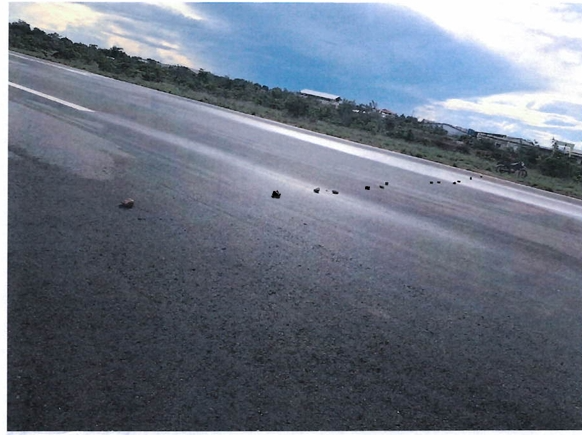
On May 30, rocks were allegedly placed deliberately across the Lethem runway. Three days later, a flight crew was required to execute a missed approach because a horse was on the runway.
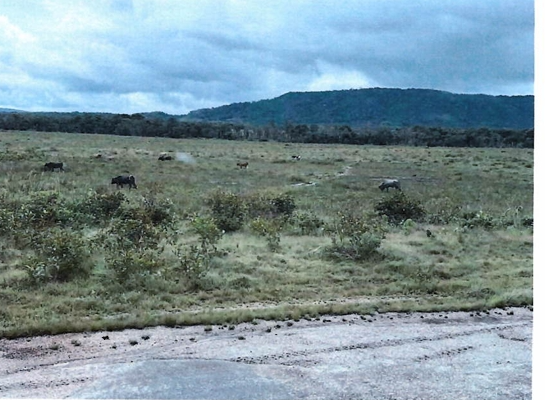
Another departure was delayed at Lethem on June 9 because horses were on the runway. On the same day, cows were observed grazing along the side of the Mabaruma runway.
On June 12, a bag containing a dead dog was found on the Lethem runway and subsequently buried.
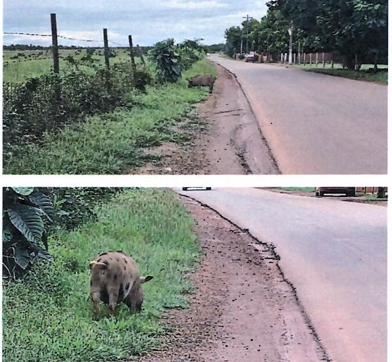
Three days later, TGA reported a significant breach in the perimeter fence at the Lethem airport and said approximately 14 pigs were roaming in the area. Cows were also observed encroaching on the side of the Imbaimadai runway that day.
Photographs accompanying the report showed stones arranged across the Lethem runway, pigs in the airport area and cows grazing near the Mabaruma and Imbaimadai runways.
Four bird strikes
In its September 9 letter, TGA Safety Manager Ramdayal Ramjit warned Field about an increase in wildlife activity, particularly vultures, at interior airstrips. The airline said Mabaruma was the most seriously affected.
According to the letter, TGA crews had reported at least four bird strikes involving its aircraft at Mabaruma and other locations over approximately four weeks.
At least one crew had also been forced to abandon its initial landing approach after vultures were seen occupying the Mabaruma runway.
TGA warned that vultures, because of their size and tendency to congregate, could cause significant structural damage to aircraft, particularly during take-off and landing.
The airline said interior airstrips generally had limited or no wildlife-control infrastructure, including perimeter fencing, deterrent systems and dedicated ground personnel. Consequently, it said, the hazard could not be managed by individual aircraft operators alone.
TGA said it had instructed its crews to exercise increased vigilance and was reviewing its internal reporting and go-around procedures.
It requested an assessment of wildlife attractants in the vicinity of Mabaruma and other interior aerodromes, runway inspections before scheduled flights and active measures to deter vultures and other animals.
The airline also called for a wildlife-hazard assessment of the interior airstrip network and clear reporting channels through which bird strikes and other occurrences could be recorded, tracked and addressed.
Not eliminated
Meantime, Field stressed that the prosecutions and increased police activity had not eliminated the breaches, as persons continued cutting the perimeter fences to cross the aerodromes.
“But notwithstanding these efforts, there are still security breaches because individuals are cutting the fence to get across the runway,” he said.
He noted that he had initiated discussions with the Commissioner of Police Clifton Hicken and that ranks assigned to airport-security duties were conducting routine runway inspections and security checks before aircraft arrived and departed.
“We are taking all of the necessary steps to ensure that they are lessened or brought down to the minimum,” Field said.
However, he reiterated that enforcement by the police and aviation authorities would not be sufficient without the cooperation of residents.
“Things are being done, but, as I say again, the community has a responsibility to ensure that nobody encroaches on the runway. It is their runway,” he said.
Field again appealed particularly to residents living near the airstrips to be vigilant and to report persons or animals entering the restricted areas.
“The runway serves everyone in the community. Therefore, every individual should make it a personal duty to ensure runways are clear when you have an aircraft operation,” he added.
Following Thursday’s accident, TGA said it remained available to work with the GCAA, other licensed aircraft operators and the Aviation Operators’ Association of Guyana to address the problem urgently.













Discussion