
-says Mazaruni villages not consulted
Indigenous rights activist Laura George has expressed alarm over plans for uranium mining in Region Seven, calling on all Guyanese to oppose the proposed activity over concerns about its potential impact on Indigenous communities, waterways, biodiversity and public health.
“I was alarmed when I read the news articles,” George told Kiskadee Watch, while contending that residents of the Middle and Upper Mazaruni were not consulted before Canadian company U92 Energy Corp announced its intention to undertake uranium exploration in the region.
“There needs to be a strong objection to this kind of mining… All Guyanese need to come and object to this mining,” she stressed.
George said that after learning of the announcement through the media, she contacted Indigenous communities in the Middle and Upper Mazaruni to determine whether they had been informed of the project.
“Nobody had contacted them. Nobody reached out,” she said, noting that two Toshaos told her they had only become aware of the project after seeing news reports.
She argued that the lack of consultation violated the principle of free, prior and informed consent, which she said Guyana is obligated to respect in relation to Indigenous peoples and developments affecting their traditional lands.
“The people were never consulted. Guyana has an obligation to respect the rights of Indigenous peoples and the right to free, prior and informed consent on what happens on their lands,” the activist said.
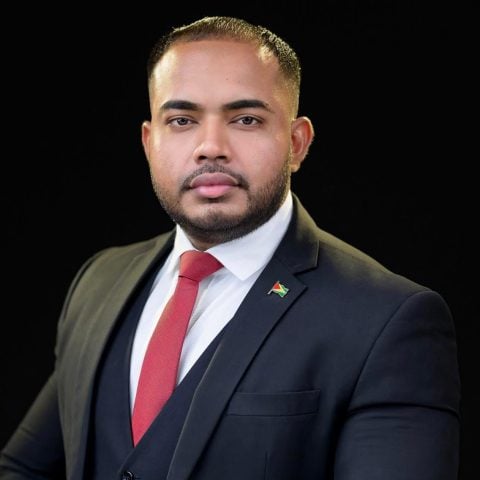
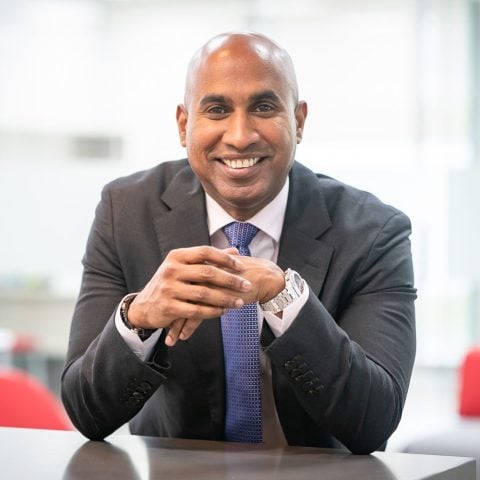
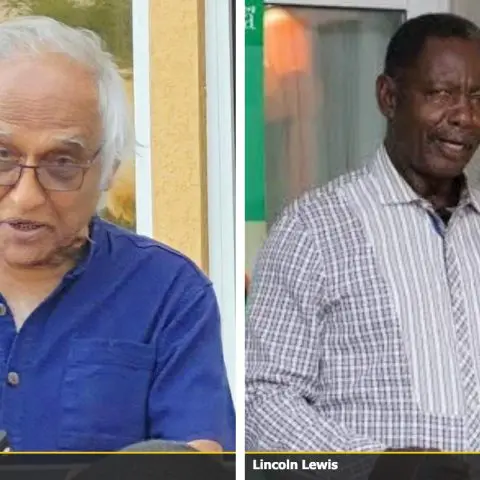
Her comments follow concerns raised earlier this week by opposition parliamentarians, Sharma Solomon of APNU and Dr Andre Lewis of We Invest in Nationhood (WIN) after U92 Energy announced plans to pursue uranium exploration in the Kurupung area of Region Seven. Both questioned the potential environmental and public health implications of uranium mining and called for greater transparency, comprehensive environmental studies and meaningful public consultation before any project proceeds.
George, who is Akawaio and hails from the Upper Mazaruni, said the proposed exploration area lies within the traditional lands of the Akawaio people, where communities have maintained cultural, historical and spiritual ties for generations.
She explained that long before villages received formal land titles, residents of the Upper and Middle Mazaruni travelled throughout the area to hunt, fish and participate in cultural exchanges.
“Kurupung is an area known to the Akawaio people. It is still known to be our lands,” she said. “There is so much history, so many stories and sacred sites in the Middle Mazaruni according to our Akawaio traditions.”
No information
George said many residents do not fully understand the potential environmental and health implications of uranium mining because no information has been provided to communities.
“As a people of the Upper and Middle Mazaruni, we don’t understand the impact of uranium mining on health and biodiversity because we were never consulted,” she said.
She warned that the effects of uranium mining would extend well beyond Indigenous communities, pointing out that rivers originating in the Middle Mazaruni ultimately flow into the Mazaruni River before joining the Essequibo River and reaching the Atlantic Ocean.
Landscape
“It is not just about Indigenous peoples,” she said. “The landscape of the Mazaruni has many non-Indigenous people who occupy the area and they are also going to be impacted. The runoff into the water system will affect everyone.”
George noted that communities already contend with mercury contamination from decades of gold mining and feared that radioactive waste from uranium mining would compound existing environmental problems.
“People in the Middle Mazaruni, both Indigenous and non-indigenous, like to eat the Haimara and other fishes which they call exotic. But the fish in those lands are already contaminated by mercury from gold mining and now we are adding this radioactive (metal) into the land will be worse,” she pointed out.
She also questioned whether Guyana possesses the regulatory capacity to oversee uranium mining safely.
“There is already poor monitoring and protection in gold and diamond mining and selective enforcement in the mining sector,” she said. “We don’t have safeguards to monitor uranium mining, and no safeguards will make it safe.”
George pointed to Canada’s experience with uranium mining, saying she had read about its long-term environmental consequences.
“The impact is just there forever,” she said. “Whatever plan they have, there should be a strong call to just leave it there in the ground.”
She also recalled Guyana’s experience with the 1995 Omai tailings spill, which polluted the Essequibo River, and cited the collapse of a Brazilian mining dam in 2019 as examples of the potential consequences of failures associated with mining operations.
“Tailings from radioactive waste will be worse,” she said. “When there is heavy rainfall and the rivers rise, nothing is going to stay in one place.”
George further expressed concern that Indigenous leaders could face pressure to support uranium development without having access to sufficient information.
“There might be pressure on Toshaos to say that it is development because they don’t have the right information,” she said. “The information needs to go to them. The company needs to know that communities have a right to free, prior and informed consent,” she added
She said the issue should be addressed at next month’s National Toshaos Council (NTC) Conference, arguing that the absence of awareness sessions and consultations represented “an injustice” and a violation of Indigenous rights.
Calling for full disclosure from the government, George urged authorities to ensure that communities are properly informed about the potential impacts of uranium mining before any decisions are taken.
“I don’t believe that any amount of guidelines or framework will be strong enough to keep Guyanese from being exposed to the impact of uranium mining,” she said. “That is why I believe there should be a full objection,” the activist maintained.
On June 12th , U92 announced in a press release that it had received Toronto Stock Exchange and Toronto Venture Exchange approval and closed a binding Asset Purchase Agreement to acquire the complete historical technical and exploration dataset relating to the Kurupung Uranium Project in Guyana.
Pursuant to the transaction, U92 said it had issued 1,030,927 common shares of the Company at a deemed price of CDN$0.485 per share to the arm’s-length vendor.
Adam Clode, Executive Chairman and CEO of U92, stated, “Securing ownership of exploration work completed over more than a decade at Kurupung is a pivotal milestone that materially strengthens the project’s technical foundation ahead of an updated mineral resource estimate and inaugural drill program. By completing the transaction on an all-share basis, U92 has enhanced the value of its asset while preserving capital for exploration.”
The issue has also prompted questions from Kiskadee Watch about the approvals granted for the project and the regulatory framework governing uranium exploration.
Questions submitted last week to Minister of Natural Resources Vickram Bharrat sought information on what licences or permissions had been granted to U92 Energy or its predecessors by the Guyana Geology and Mines Commission (GGMC), whether Guyana has a policy governing uranium exploration and development, why no public consultation or announcement preceded the company’s exploration plans, and whether the minister would support a review of the project by Parliament’s Natural Resources Sectoral Committee.
Kiskadee Watch also asked what technical, environmental and safety assessments had been conducted before exploration activities were approved.
Minister Bharrat subsequently indicated that a response would be forthcoming.
“I will issue a statement on this matter before the week is out,” the minister said. No statement has since come from the minister.








Discussion