The government is looking to more than double the amount of foreign currency it supplies directly to the market next year as rising imports put pressure on businesses’ access to US dollars, Vice-President Bharrat Jagdeo said on Thursday.
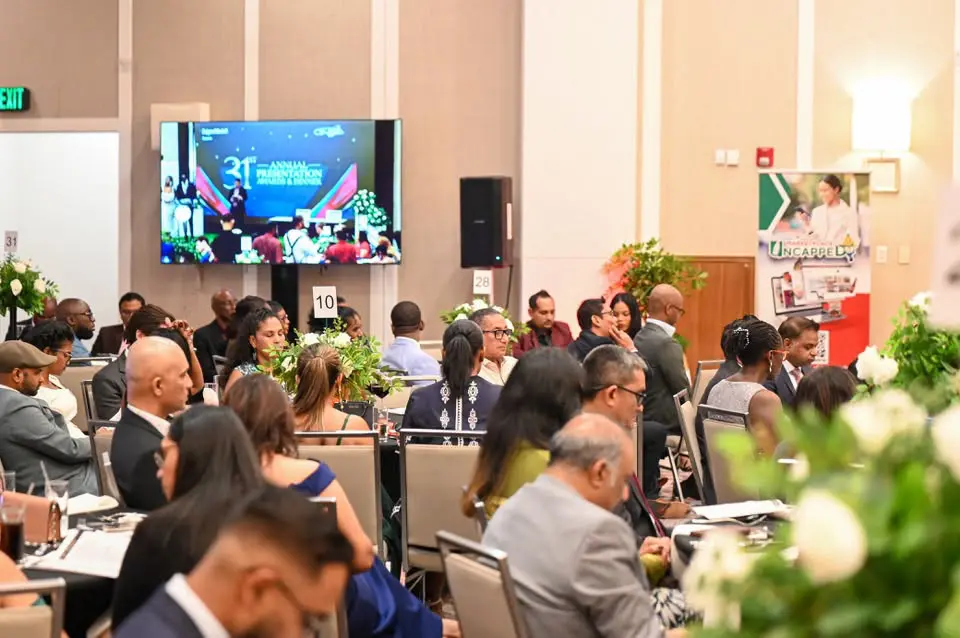
Speaking at the Guyana Manufacturing and Services Association’s 31st annual awards dinner at the Guyana Marriott Hotel, Jagdeo put this year’s direct supply at about US$2.5 billion and said the government was looking to more than double it in 2027. He gave no schedule for the releases. Businesses have been complaining for months about the long wait at commercial banks for foreign currency.
Jagdeo said the government wanted to finance more of its expenditure from its own resources. He argued that this would increase the supply of foreign currency to the market and reduce the inflationary pressure associated with domestic borrowing.
The Vice-President said total imports had grown from about US$4 billion to about US$10 billion. He pointed to increases in imports of consumer goods, industrial inputs and machinery. Imports of agricultural machinery alone, he said, had risen from about US$30 million in 2019 to US$360 million in 2025, with another US$269 million imported so far this year.
Jagdeo said part of the demand came from Guyanese businesses borrowing locally to buy equipment. He expected that demand to ease once factories and other major investments were in place, while demand for imported consumer goods would persist. He also said some companies were joining queues at several banks at once, making it harder to gauge underlying demand.
Kiskadee Watch reported earlier this month that Bank of Guyana Governor Dr Gobind Ganga had described demand for foreign currency as unprecedented. Ganga said funds were available to support the market but that legislation limited access to some of them. Businesses previously told this publication they were waiting weeks for transactions to be processed and paying more to obtain US dollars elsewhere.
Jagdeo said raising interest rates to curb inflation would risk slowing private investment and making mortgages more expensive. He said the government was instead examining how to contain pressure from its own spending while supporting investment in sectors that could earn foreign exchange or replace imports. He also argued that smaller industries could create jobs in regions where wages had lagged behind rising living costs.












Discussion