
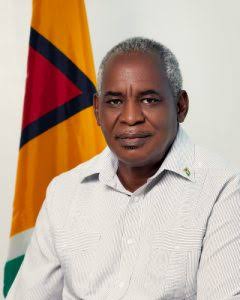
Attorney General Anil Nandlall SC says measures will be introduced to prevent the renewal of vehicle and driving documents where traffic tickets remain unpaid, even as he renewed his warning to police against unlawfully detaining motorists and their vehicles for ticketable offences.
Speaking on his Issues in the News programme, Nandlall said figures provided by the Traffic Chief showed that 88,332 tickets had been issued, of which 49,326, or approximately 56 per cent, had been paid.
The figures leave 39,006 tickets unpaid, representing about 44 per cent of those issued. He did not specify the period covered by the figures.
Nandlall said arrangements would be put in place to prevent vehicles with outstanding tickets from having their road licences and certificates of fitness renewed. Persons named on unpaid tickets would also be unable to renew their driving licences, he said.
“So unpaid tickets will not go without consequences,” he stated.
He did not give an implementation date or outline how disputed tickets would be treated under the proposed arrangements.
The Attorney General said the Traffic Chief raised the level of non-payment during a discussion about expanding the range of offences that could be addressed through tickets.
“Now you cannot want the police not to detain you, but instead issue to you tickets for ticketable offences, and when the tickets are issued, you do not pay them,” he said.
“The laws of this country must be obeyed.”
At the same time, Nandlall said he continued to receive complaints, particularly through Facebook, that police were detaining people and vehicles in circumstances where tickets should have been issued.
He appealed to the Commissioner of Police, the Traffic Chief and other officers to ensure that ranks used the ticketing system appropriately.
“Instruct them not to detain persons’ vehicles when a traffic ticket can adequately address the offence that is allegedly committed,” he said.
Nandlall maintained that unlawful detention could expose an officer to both criminal proceedings and civil action.
“I have said already, a police unlawfully detaining a person and/or his vehicle commits both a criminal offence as well as a civil wrong, and is liable to be sued and charged. And we may have to move in that direction shortly,” he said.
He said expanding the categories of ticketable offences would reduce opportunities for unlawful detention.
His latest remarks follow his explanation on last week’s programme that police should pursue the person responsible for an unpaid ticket rather than detain the vehicle. “The police are not to detain the vehicle for an unpaid ticket. The police need to go against the driver or the owner,” he said, according to Kiskadee Watch’s October 22 report. He explained that a registered owner who was not driving could identify the driver in court, after which the magistrate would summon that person as a co-defendant. A contested charge would proceed to trial, while someone accepting responsibility could pay through the magistrate’s clerk without appearing before the magistrate.











Discussion