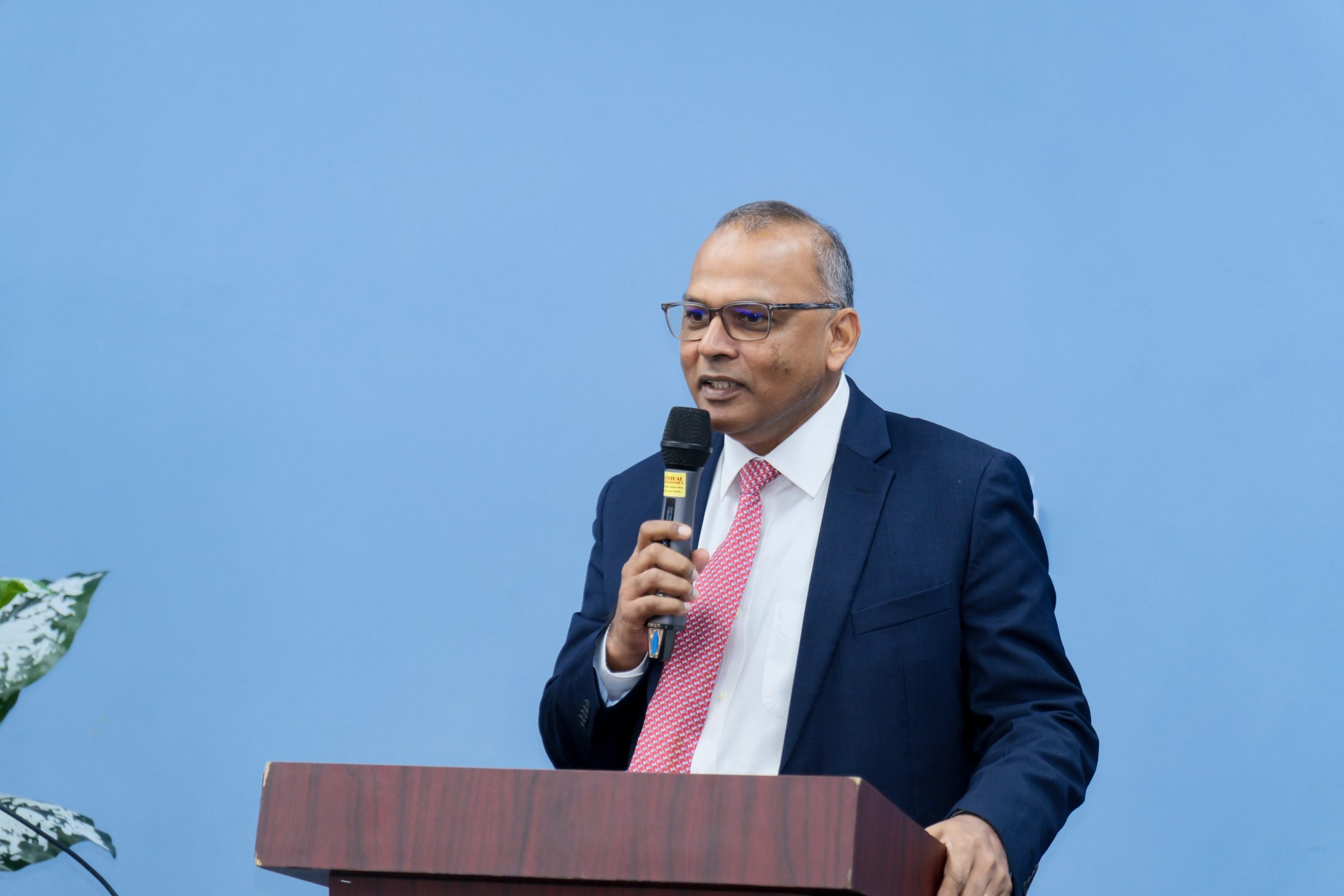
Guyana is nearing the point where it could be certified as having eliminated lymphatic filariasis, Minister of Health, Dr Frank Anthony said on Monday.
Anthony made the disclosure while addressing a two-day workshop on strengthening clinical capacity to manage advanced HIV disease at the Ministry of Health’s Brickdam boardroom.
He said the country was undergoing assessments related to lymphatic filariasis and expressed optimism that it was close to achieving elimination status.
The minister also identified leishmaniasis, leprosy, malaria and hepatitis C as diseases for which further action could result in elimination or significant reductions in infections. He said Guyana must increasingly shift its approach to malaria from control to elimination.
On hepatitis C, Anthony said the high cost of treatment had previously prevented the public health system from providing care to persons diagnosed during blood screening.
Through collaboration with the Pan American Health Organization, he said, medication can now be obtained for less than US$100 per patient, creating an opportunity to expand diagnosis and treatment.
“The reason why we targeted hep C is that we were diagnosing people when they came for blood transfusion, but we didn’t have a means of treating them,” Anthony said.
He added that programmes must now be developed to ensure that persons diagnosed with the disease are linked to treatment.
Anthony also said a new reference laboratory was being constructed and would be equipped to improve molecular surveillance and the early detection of infections. Local facilities, he suggested, could eventually serve as reference laboratories for specific conditions.
The ministry is meanwhile preparing to introduce stronger clinical governance at hospitals. Teams will examine patients’ charts and assess whether treatment is being provided in keeping with established ministry guidelines.
Where deficiencies are identified, the teams will work with healthcare providers to improve clinical practices, Anthony said. He warned that persistent failure to follow the guidelines would require further action.
The ministry is also working with Joint Commission International on a programme aimed at improving the quality of hospital services.
Anthony said healthcare workers could access training and fellowships through partnerships with institutions in Brazil, the United States, Canada, India and the United Kingdom.
He named Harvard University, the Mount Sinai Health System, Northwell Health, McMaster University and Apollo University among the partner institutions.
“Ultimately, the people that we should have in focus are our patients,” he said, urging participants to apply what they learnt at the workshop in their respective hospitals and health facilities.










Discussion