– cites shortage of safe housing and gaps in data
Help and Shelter is calling for a national campaign against gender-based violence, saying government agencies and civil society groups need to work with communities to prevent abuse and help survivors obtain justice, counselling and safe housing.
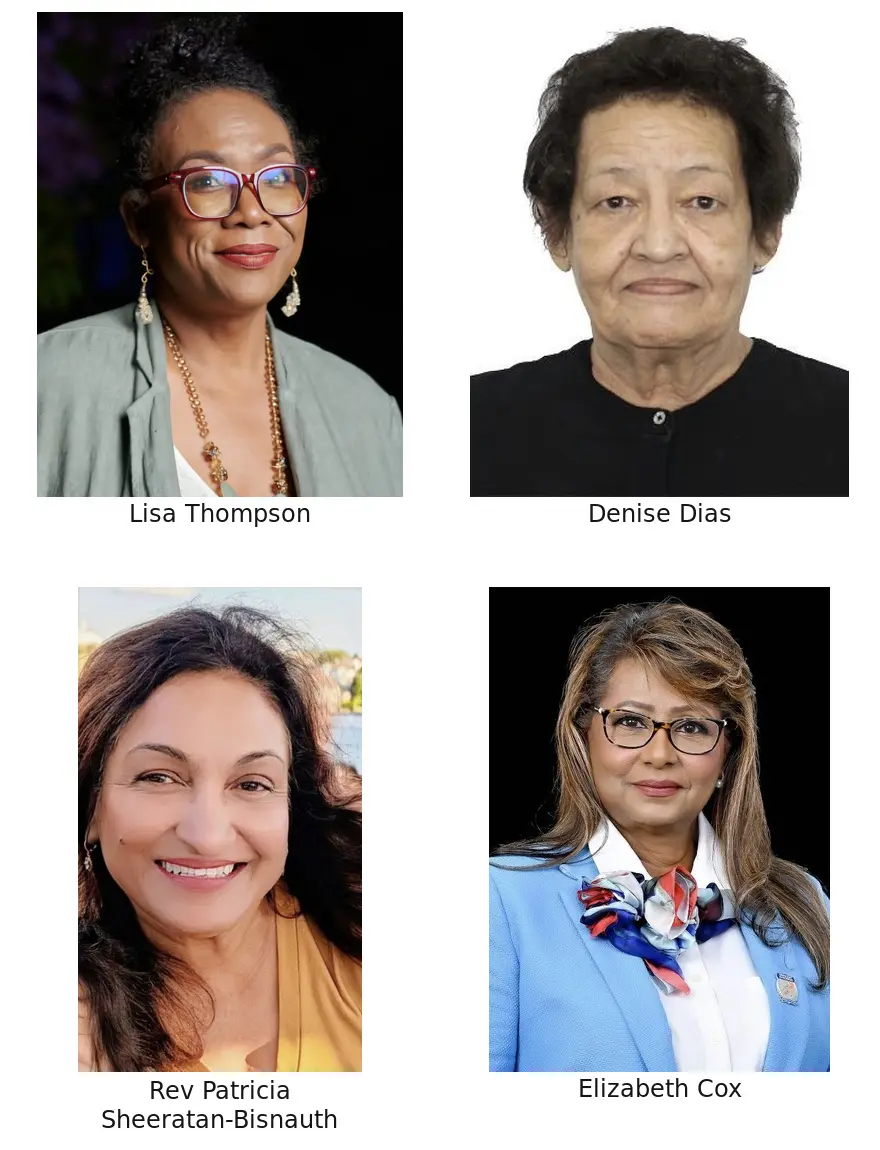
“There is need for a heightened campaign, and it needs to be done nationally by those who have the resources and the reach,” human rights advocate Lisa Thompson told Kiskadee Watch. She said organisations were already working in the communities they could reach, but their efforts needed to form part of a coordinated national response.
Thompson spoke after Monday’s launch of the 16 Days of Activism against Gender-Based Violence at the University of Guyana’s Education Lecture Theatre. Help and Shelter organised the event with the university’s Institute of Gender Studies and the Women and Gender Equality Commission. The programme focused on justice, healing and prevention.
Help and Shelter co-founder and board chair Denise Dias said a national campaign was feasible and would require the involvement of government, community leaders, faith-based organisations and other non-governmental groups.
Thompson said communities should help design the campaign so that it reflects their languages, cultures and needs. She pointed to an access-to-justice project in 72 Indigenous communities in Regions One and Nine, where residents helped develop messages in Macushi and Wapichan. The project helped communities identify where to seek assistance, support survivors and navigate the justice system. It also provided training for police officers, magistrates, judges and others working in the justice system, including on cultural sensitivity.
Safety after the shelter
Help and Shelter consultant Rev Patricia Sheeratan-Bisnauth said laws and policies were in place but survivors still encountered gaps in services, even in Georgetown. The organisation provides counselling and helps survivors through court proceedings. Its counsellors also help with school and job applications and follow up with clients.
“Court support is a big service and quite a necessary one for survivors,” she said.
Help and Shelter director Elizabeth Cox said one of the most difficult periods for survivors comes when they have to leave the shelter. The usual limit is six months, though some stay longer because they have nowhere safe to go. Cox said the ministries responsible for human services and housing provide some assistance, but arranging it can take time. Some survivors return to relatives, while others go back to the circumstances they fled.
The organisation is working to establish a presence in all 10 administrative regions. Cox said finding trained social workers was a challenge, while Dias said a shortage of funding made it difficult to establish shelters in remote areas. The organisation’s family health clinic in New Amsterdam works with service providers and the Region Six Regional Democratic Council. Sheeratan-Bisnauth said sustained work in hinterland communities would require funding and partnerships with organisations already based there.
Help and Shelter’s safe house, built about 30 years ago, is undergoing major rehabilitation. Cox said it can accommodate 45 women with their children and takes referrals from the Ministry of Human Services and the Trafficking in Persons Unit. The organisation has hired a Spanish- and English-speaking counsellor and plans to launch a bilingual hotline during the 16 Days of Activism. Cox said the campaign would also use radio, television and social media to tell people where they can get help.
Calls for better data and earlier intervention
The 2019 Guyana Women’s Health and Life Experiences Survey found that 55 per cent of women aged 15 to 64 had experienced at least one form of violence. Sheeratan-Bisnauth said the organisation was seeing cases it considered more brutal and fatal, but lacked access to national data that would allow it to track changes and assess which interventions were working.
“How do we call for accountability in the absence of data?” she asked.
Thompson said people in some Indigenous communities where the project had worked were more confident about reporting violence and seeking help. She said the lack of access to data collected by state agencies made it difficult to tell what was happening across regions or nationally.
Dias recalled the case of Natasha Houston, who has spoken publicly about surviving an attack in 2013 in which her former partner killed their two children. Houston lost her right arm and suffered injuries to her left hand. Dias said Help and Shelter took her in after she left hospital and helped her recover. Sheeratan-Bisnauth said survivors’ experiences can inform public education and policy, and that their safety must guide decisions about whether and how those accounts are shared.
Help and Shelter is also developing a domestic violence awareness programme for schools and plans to work with school counsellors. Cox pointed to community-level parenting programmes as another avenue for prevention. Sheeratan-Bisnauth said men should work with women to address attitudes about masculinity and the use of power, from Parliament to the community level.
Help and Shelter was founded in November 1995 by Josephine Whitehead and Dias. It provides counselling, shelter, public education and advocacy for people affected by domestic and sexual violence, child abuse and related forms of violence.
Help and Shelter contacts supplied for the campaign
Counselling: 613-1758 or 613-1811 · Berbice office: 701-4224 · Spanish-language support: 787-3984. The Crisis Centre is on Homestretch Avenue, Georgetown.










Discussion