The International Decade for People of African Descent Assembly–Guyana (IDPADA-G) has urged President Irfaan Ali to announce a national reparatory justice programme during King Charles III’s visit, alongside pursuing reparations from Britain for enslavement and colonialism.
The organisation proposes that implementation of the first approved and funded measures begin by Emancipation Day, August 1, 2027, following consultations and an independent assessment of historical and present-day disadvantages affecting African Guyanese.
In an October 25 letter signed by Chairperson Vincent Alexander, IDPADA-G argued that seeking redress from Britain and addressing inequalities within Guyana were distinct but complementary responsibilities.
“Domestic action is not a substitute for British reparations, and it should not wait for Britain’s response,” the letter states.
The organisation announced its appeal in an October 27 release, saying the letter had been endorsed by member organisations at a special meeting on October 25.
It welcomed Ali’s public support for reparations and his position that an apology alone would be insufficient, but urged that those principles be translated into measurable commitments at home.
While Britain bore historical responsibility for enslavement and colonial exploitation, IDPADA-G said, Guyana’s government had responsibility for addressing demonstrable inequalities and unresolved grievances within its jurisdiction.
The proposed national process would include consultations with African Guyanese communities, farmers, entrepreneurs, women, young people, cultural organisations, researchers and the diaspora.
IDPADA-G also called for an independent, evidence-based examination of disadvantages involving landownership, access to financing, public procurement, participation in the petroleum economy and the transfer of wealth between generations.
On land, it proposed an independent review of substantiated historical claims, protection of legitimate ownership rights and investment in drainage, flood protection and community infrastructure.
A productive-capital facility should be established to support African Guyanese businesses, cooperatives and farmers, accompanied by technical assistance and transparent access to economic opportunities, it said.
The organisation also recommended investment in African Guyanese history, archives, heritage sites and burial grounds, alongside a review of school curricula.
Agreed measures should be subject to transparent oversight, independent evaluation and annual public reporting, it added.
The letter recalled the contribution of enslaved Africans to reclaiming Guyana’s coastal lands, constructing drainage and irrigation systems and developing its agricultural economy.
It also highlighted the village movement, through which formerly enslaved Africans pooled their resources to purchase plantations and establish independent communities, beginning with Victoria in 1839.
IDPADA-G contended that colonial policies undermined collective landownership and economic independence, leaving consequences that required examination and redress.
The organisation further cited findings of the United Nations Working Group of Experts on People of African Descent following its 2017 visit to Guyana. According to IDPADA-G, the group identified deficiencies in economic, social and cultural rights and recommended targeted development measures, improved access to affordable financing and greater attention to African Guyanese history in schools.
Guyana’s petroleum wealth, the organisation argued, provided an opportunity to address longstanding structural inequalities and ensure historically disadvantaged communities shared in the country’s expanding prosperity.
“We urge you to use it to demonstrate leadership on both fronts: to seek justice from Britain for the wrongs of enslavement and colonialism, and to commit Guyana to a measurable, accountable process of repair at home,” the letter stated.
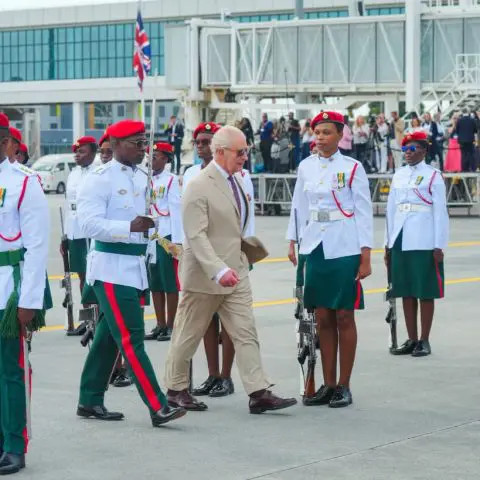
King Charles arrived yesterday and is expected to leave today.







Discussion