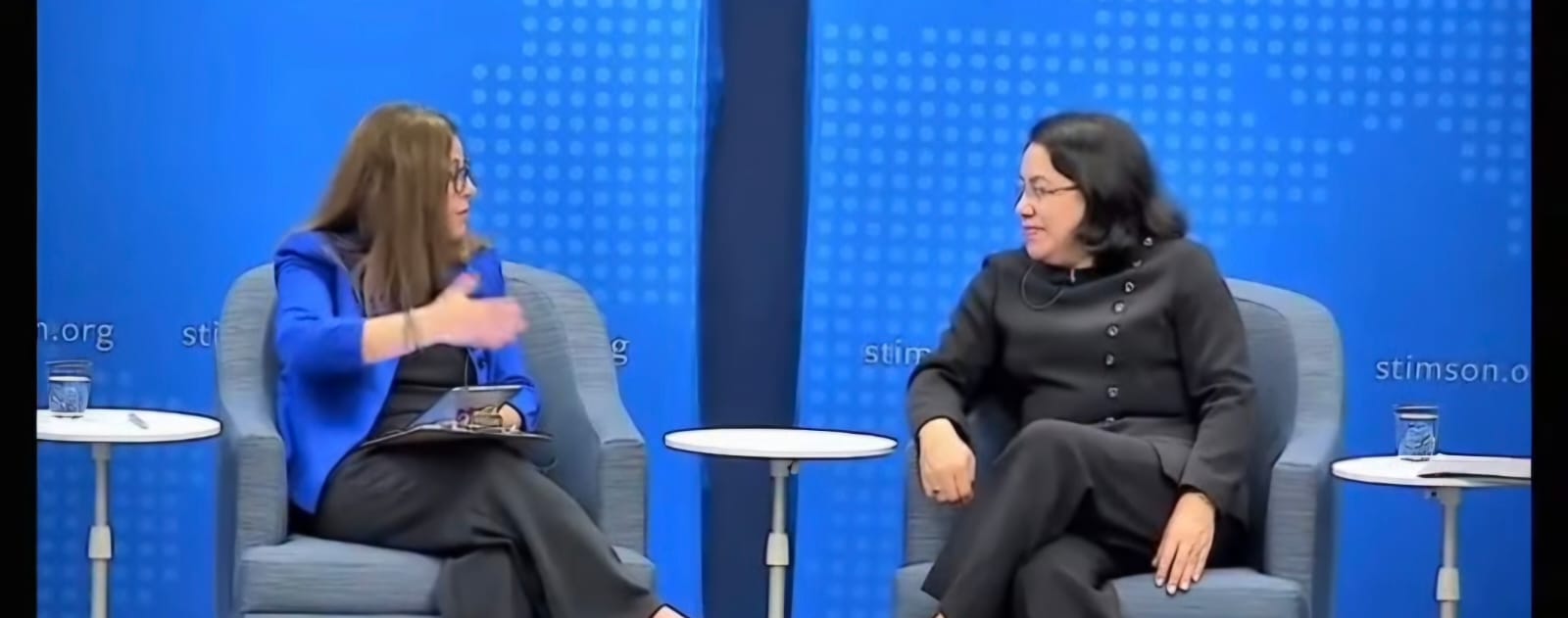
Women’s rights advocate Diane Madray has expressed dissatisfaction with Ambassador Carolyn Rodrigues-Birkett’s response to a question about legal mechanisms to address sexual exploitation and gender-based violence involving United Nations personnel, noting that the diplomat failed to state concrete measures to close accountability gaps.
Madray’s question was selected and posed to Rodrigues-Birkett during a forum for candidates seeking the position of United Nations Secretary-General, hosted by the Stimson Center.
In a public statement following the exchange, Madray said she was disappointed with the ambassador’s response, stating that while the question was intended to elicit specific legal and structural reforms, Rodrigues-Birkett focused instead on the importance of women’s representation in negotiations.
Madray said the question addressed what she described as an accountability gap that allows some UN personnel accused of sexual exploitation and abuse to escape prosecution, particularly when they are repatriated to their home countries. “Ambassador Carolyn Rodrigues-Birkett failed to provide a single ‘concrete legal mechanism’,” Madray said in describing her assessment of the response.
The question submitted by Madray asked what specific legal measures Rodrigues-Birkett’s campaign would implement to address allegations of sexual exploitation by UN peacekeepers and ensure accountability for personnel accused of gender-based violence.
It also raised concerns about the effectiveness of the UN’s zero-tolerance commitments, questioning why allegations could continue despite those pledges.
Madray said that when the issue of concrete legal mechanisms was raised, Rodrigues-Birkett did not provide the structural solutions she was seeking.
Among the measures Madray believes should be considered are reforms to diplomatic immunity arrangements affecting UN personnel, withholding UN funding from member states that fail to prosecute repatriated personnel accused of abuse, and establishing independent oversight bodies outside the UN hierarchy.
She argued that such measures would offer more direct ways of addressing accountability than general commitments to gender equality and women’s participation in decision-making.
Madray said she believed Rodrigues-Birkett had failed to identify a specific managerial directive that would close what she described as the immunity gap.
The criticism centres on whether candidates for the UN’s top post can move beyond broad policy commitments and explain how they would enforce accountability when allegations of sexual exploitation and abuse involve international personnel.
The issue of sexual exploitation and abuse by UN personnel has been a longstanding concern for the organisation, particularly in peacekeeping operations. The UN has adopted a zero-tolerance policy and measures intended to prevent abuse, support victims and strengthen accountability. However, questions remain about how alleged offenders can be investigated and prosecuted, especially when responsibility for criminal proceedings rests with national authorities.
The legal position is complex. UN privileges and immunities differ according to a person’s status and official functions, and immunity does not necessarily remove a state’s responsibility to investigate or prosecute alleged criminal conduct. The practical challenge is ensuring that allegations are pursued when personnel are returned to their home countries.
Rodrigues-Birkett, Guyana’s former foreign affairs minister and current ambassador and permanent representative to the United Nations, is among the candidates seeking to become the organisation’s next Secretary-General.










Discussion