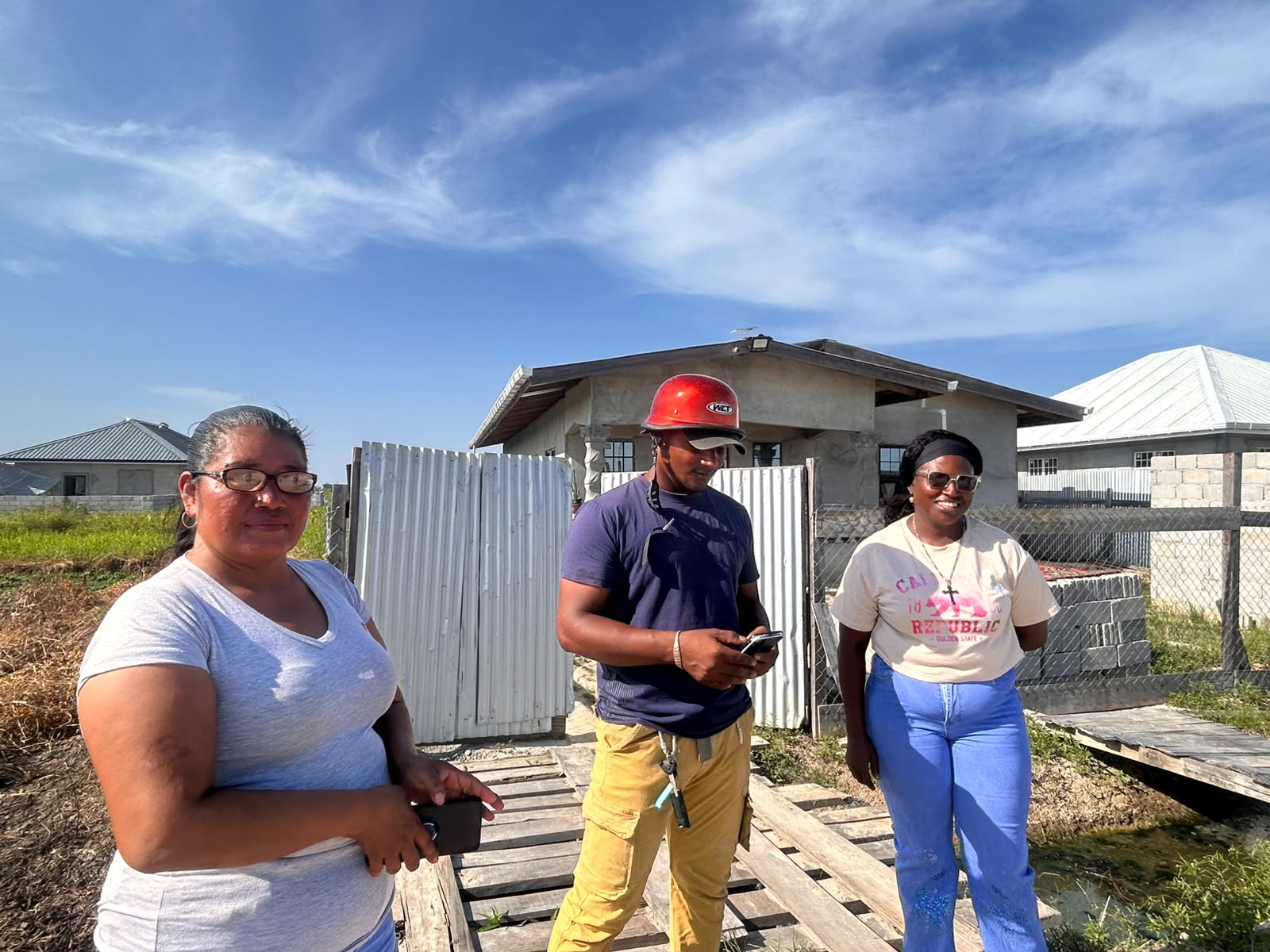
Residents of the Meten-Meer-Zorg Housing Scheme on the West Coast of Demerara say they have been living without reliable water and electricity for more than two years, forcing some families to purchase water while others resort to nearby trenches and makeshift ponds for basic household needs.
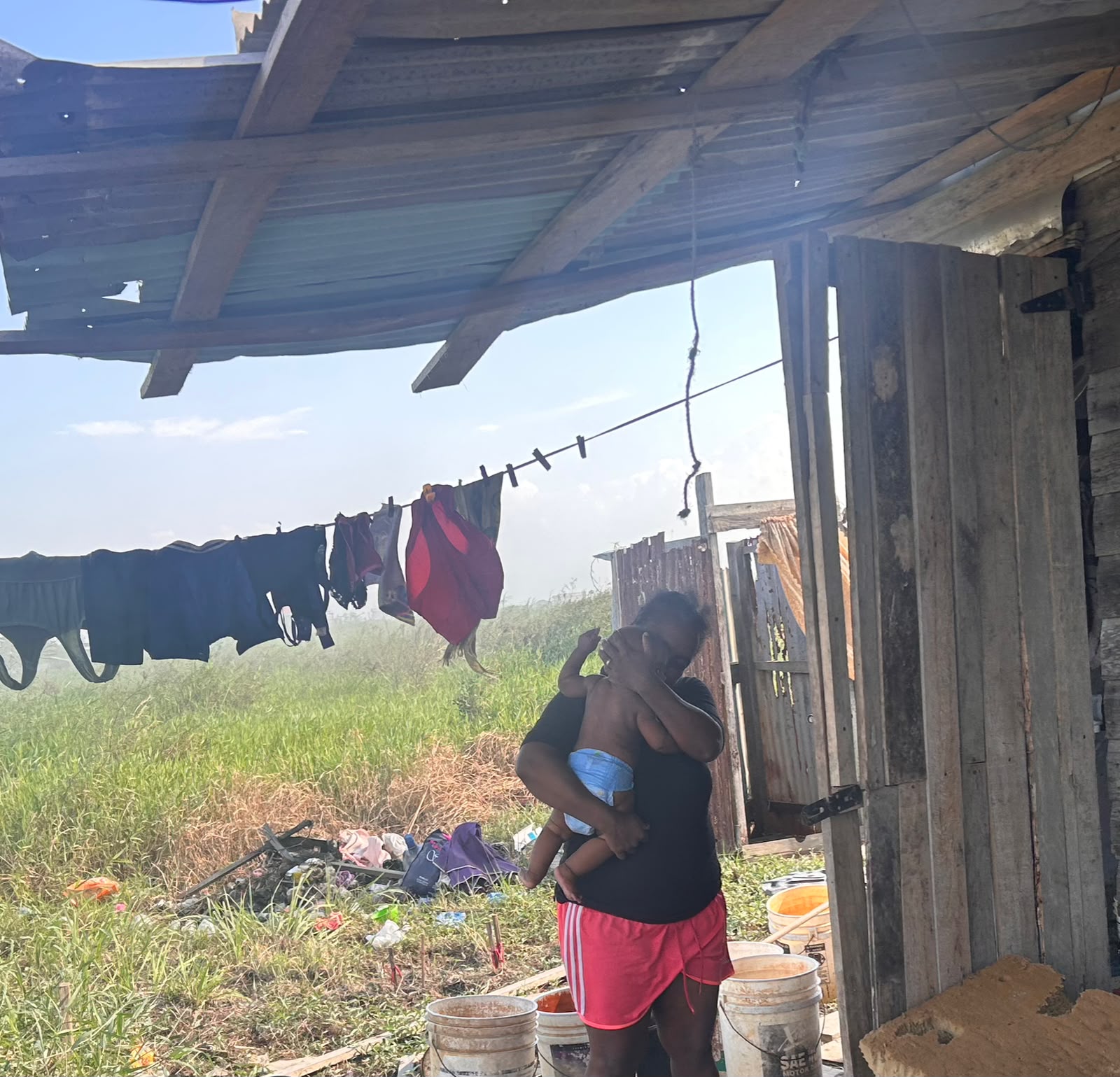
During Kiskadee Watch’s visit to the community on Sunday, it was observed that residents have resorted to collecting water from nearby trenches and digging ponds themselves to help fill the gap left by the absence of a reliable water supply. Clothing was seen being washed in the same pond water and hung out to dry, highlighting the extent to which residents are being forced to rely on untreated water for basic household needs. Residents say the situation is not only concerning from a health standpoint, particularly for households with babies and young children, but is also costly, as families who can afford it must continually purchase water for drinking, cooking and other essential uses.
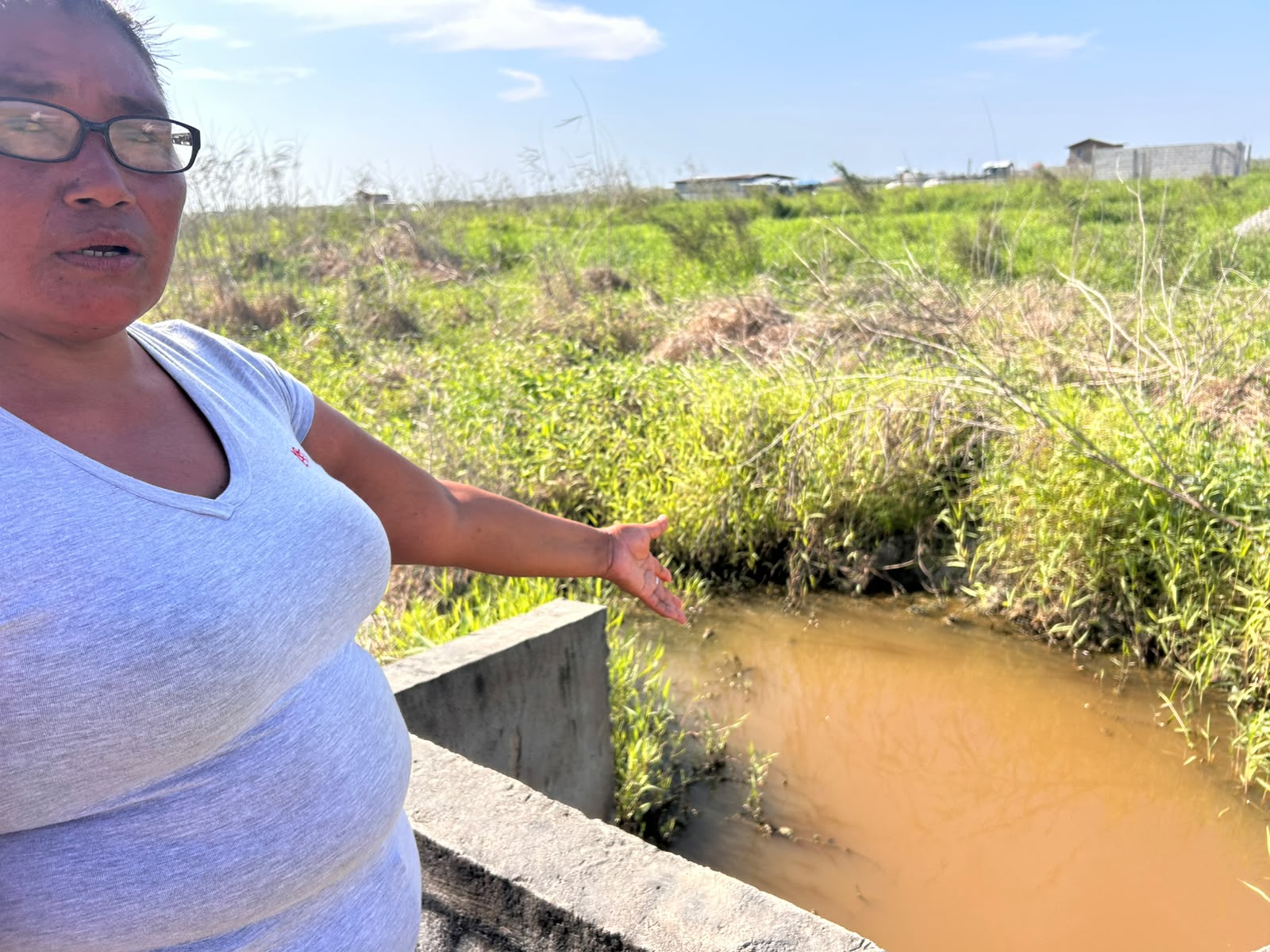
The residents say they paid hundreds of thousands of dollars for their house lots but are still without what they consider basic amenities, including a reliable water supply, electricity, proper roads and adequate drainage.
For families with children and babies, the situation has become particularly difficult.
Lorna Cornelius, a resident of the scheme for more than two years, said she pays approximately $400 for a five-gallon bottle of water but cannot afford to purchase enough to meet all of her household’s needs.
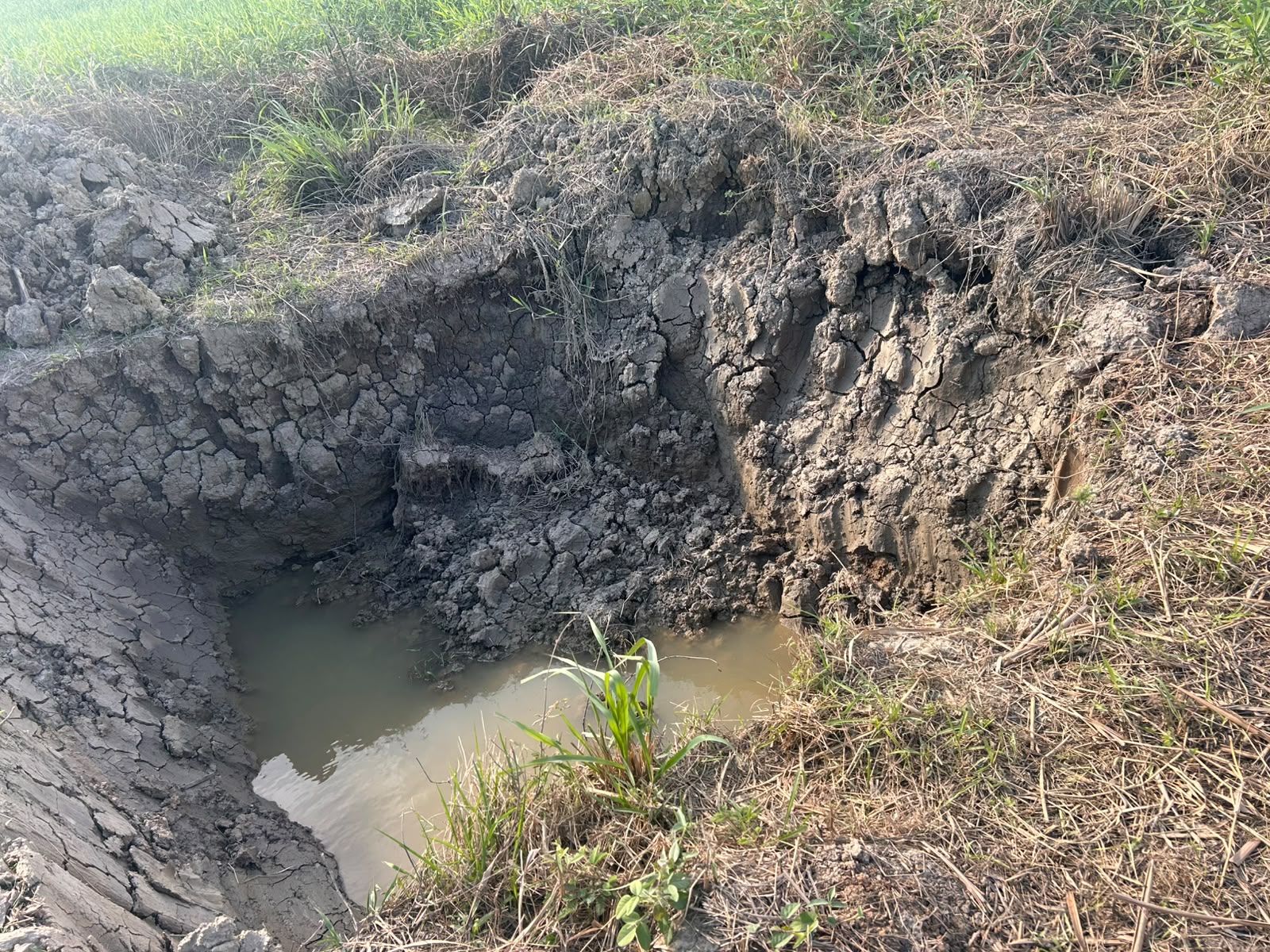
Cornelius has two children attending secondary school and said the lack of water has forced her to use water from a nearby trench to wash their school clothes.
“I have two kids going to school and I don’t have water to wash their school clothes. I have to use that trench water,” Cornelius said.
The trench water is also being used for bathing and washing dishes, with residents saying children and babies are among those exposed to the water.
Cornelius said her granddaughter has suffered from diarrhoea, while other children in the community have experienced frequent colds.
Residents said that when rain falls, they collect and store the water, while water from trenches and other sources is used for activities for which they cannot afford to purchase clean water.
Mohenia Kailass, who said she has lived in the area for approximately four years, described a similar struggle.
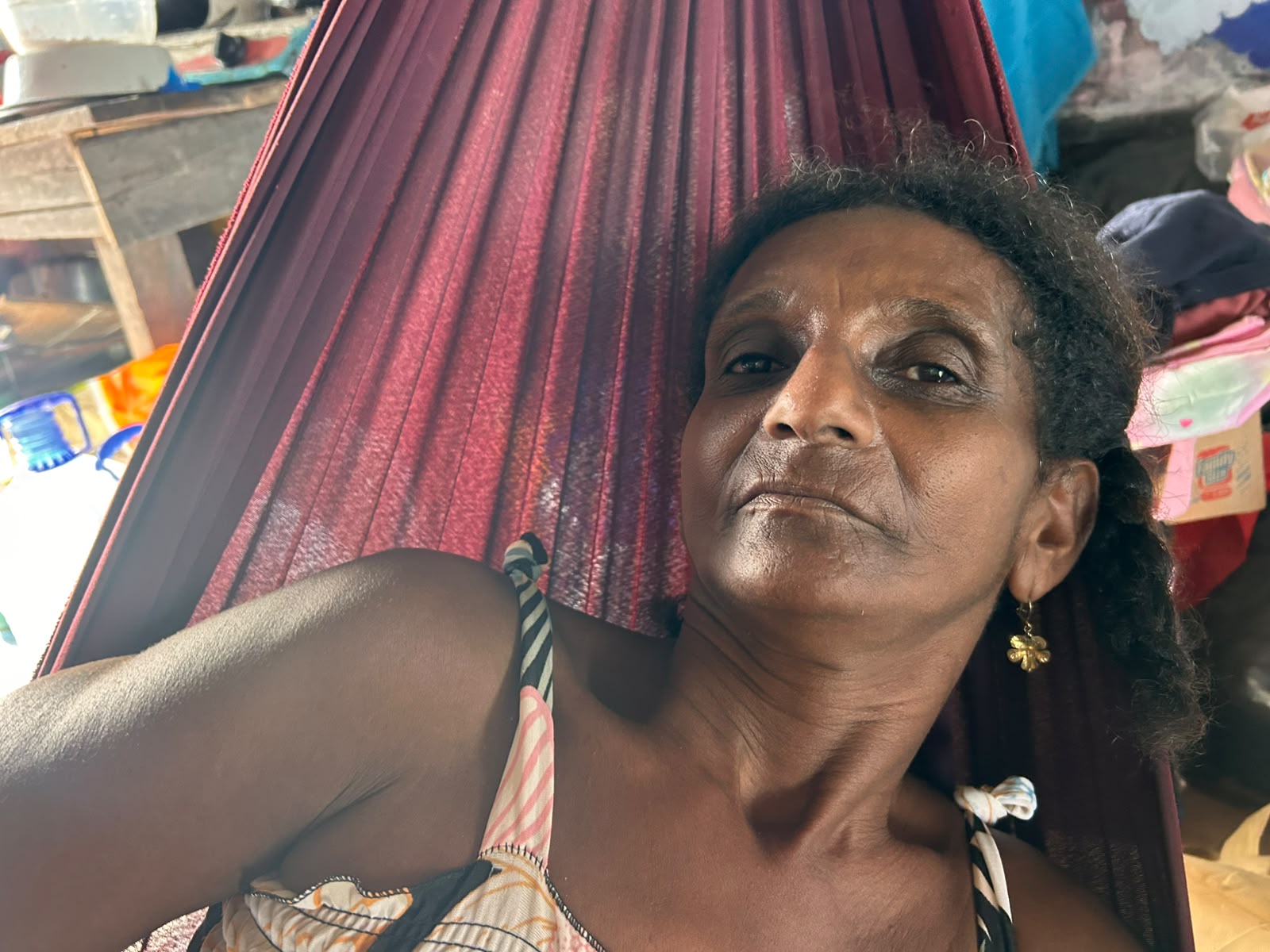
Kailass said her household has no reliable water supply and is forced to purchase water approximately every other day for drinking and cooking.
When rain falls, the family collects water for use, while other available water sources are used for washing.
She said the household has had to make do with limited water storage and whatever assistance relatives can provide.
The situation has been especially challenging for Kailass, who said she has been experiencing severe mobility problems for approximately three months.
She said numbness and arthritis affecting her hip and knee have left her unable to walk long distances and, at times, dependent on family members for assistance moving around the home.
Kailass also said she has been waiting on public assistance after applying in February.
According to her, she has repeatedly been told that the application is being processed, leaving her struggling to meet her basic needs.
The lack of electricity has added another layer to the difficulties faced by residents.
Kailass said her household relies on a solar light and a battery-operated system to get through periods since the area has no electricity, while a generator is also used when possible but needs to be replaced.
Other residents said they too rely on solar-powered lights, batteries and generators.
Cornelius said she contacted Guyana Power and Light and was told that utility poles were not available for the area.
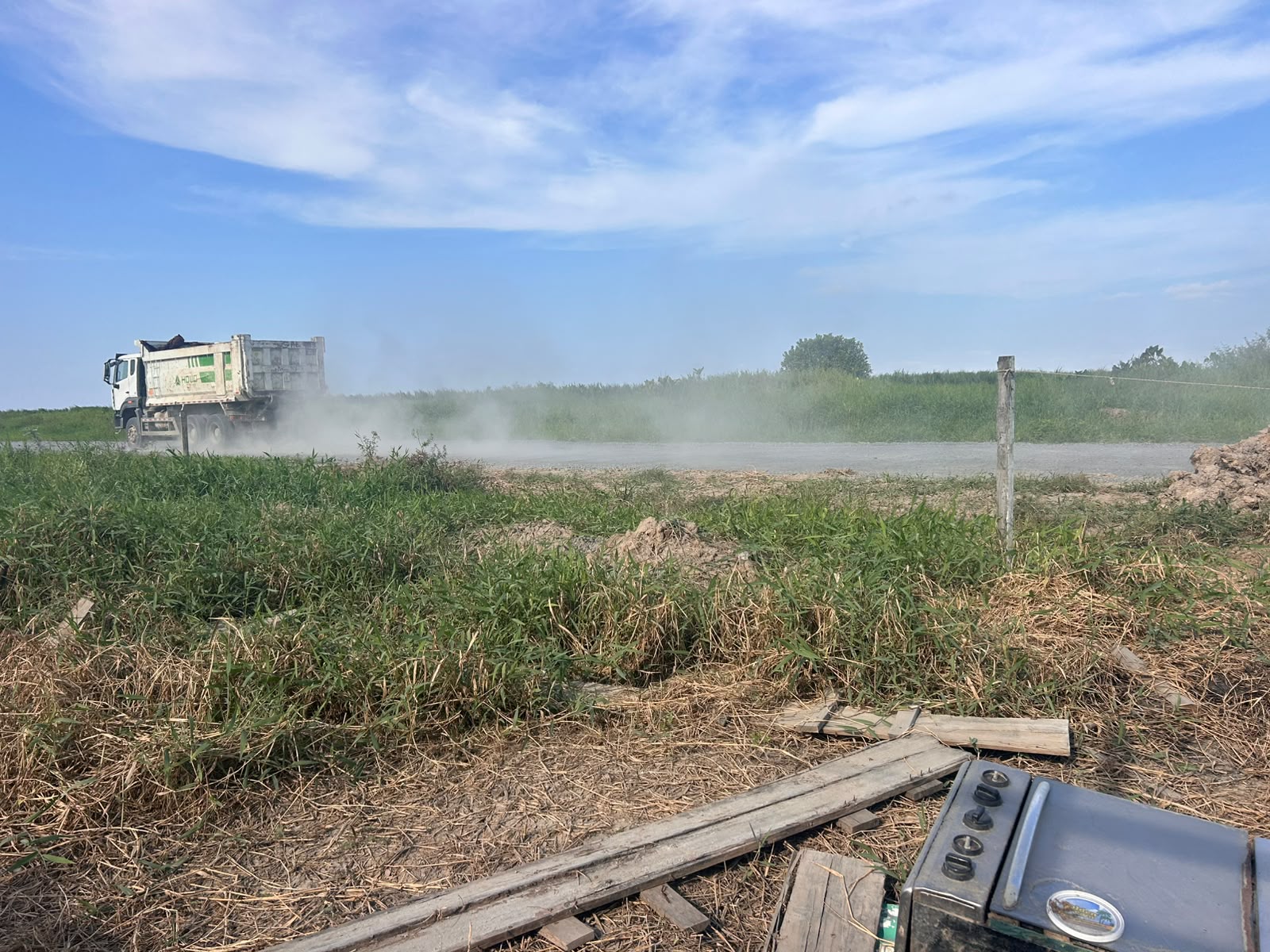
Without reliable electricity, residents say the heat inside their homes can become unbearable, particularly because they are also unable to comfortably open their windows due to the dust outside.
The condition of the roads and the heavy truck traffic have created another major concern.
During a visit to the community, Kiskadee Watch observed trucks travelling along the roadway and kicking up significant amounts of dust.
Inside several homes, dust was visible on furniture, appliances and other household surfaces.
Cornelius said the dust accumulates inside her home despite repeated cleaning.
“Every day you clean, it’s the same thing,” she said.
She said the dust also enters food while families are eating.
Residents said the problem is made worse by the heat because opening windows allows even more dust into their homes.
For families with young children, residents say the conditions are particularly worrying.
Reshma Narine, who recently moved into the area to stay with her mother, is caring for her six-month-old son.
Narine said the dust affects the baby and that she has taken him to a clinic, where she received nasal spray to help with his symptoms.
She said keeping the windows open to allow fresh air into the home is difficult because of the dust being generated outside.
The road conditions are also creating safety concerns for children travelling to and from school.
Roblyn McDonald said her two children sometimes have to travel along the road while trucks are moving in both directions.
She described the situation as particularly dangerous around the high bridge, where she said large potholes, sand and speeding trucks create additional risks.
Residents say the cost of living without basic utilities has also become a significant financial burden.
Cornelius said her household spends thousands of dollars purchasing water, with the amount varying depending on rainfall and household needs.
Residents said the money they are spending on water could instead be used for other household expenses if a reliable supply were available.
Despite paying hundreds of thousands of dollars for their house lots, residents say they have been left waiting for basic infrastructure.
They say some households paid approximately $450,000 for their lots, while others paid similar amounts when they purchased their properties several years ago.
Yet residents say they continue to live without reliable water and electricity and must contend with poor roads, inadequate drainage and heavy dust.
For families like Kailass’s, Cornelius’s and Narine’s, the absence of basic utilities is not simply an inconvenience.
It means finding water to drink and cook, finding another source to bathe and wash clothes, finding ways to light their homes, and trying to protect children from dust and potentially unsafe water.
And after more than two years and, for some residents, several years they say they are still waiting for those basic services to reach their homes.











Discussion