Waste To Wealth Caribbean Inc has approached Minister of Local Government and Regional Development Priya Manickchand for government support in expanding a household composting programme which it says could reduce the volume of biodegradable material reaching landfills.
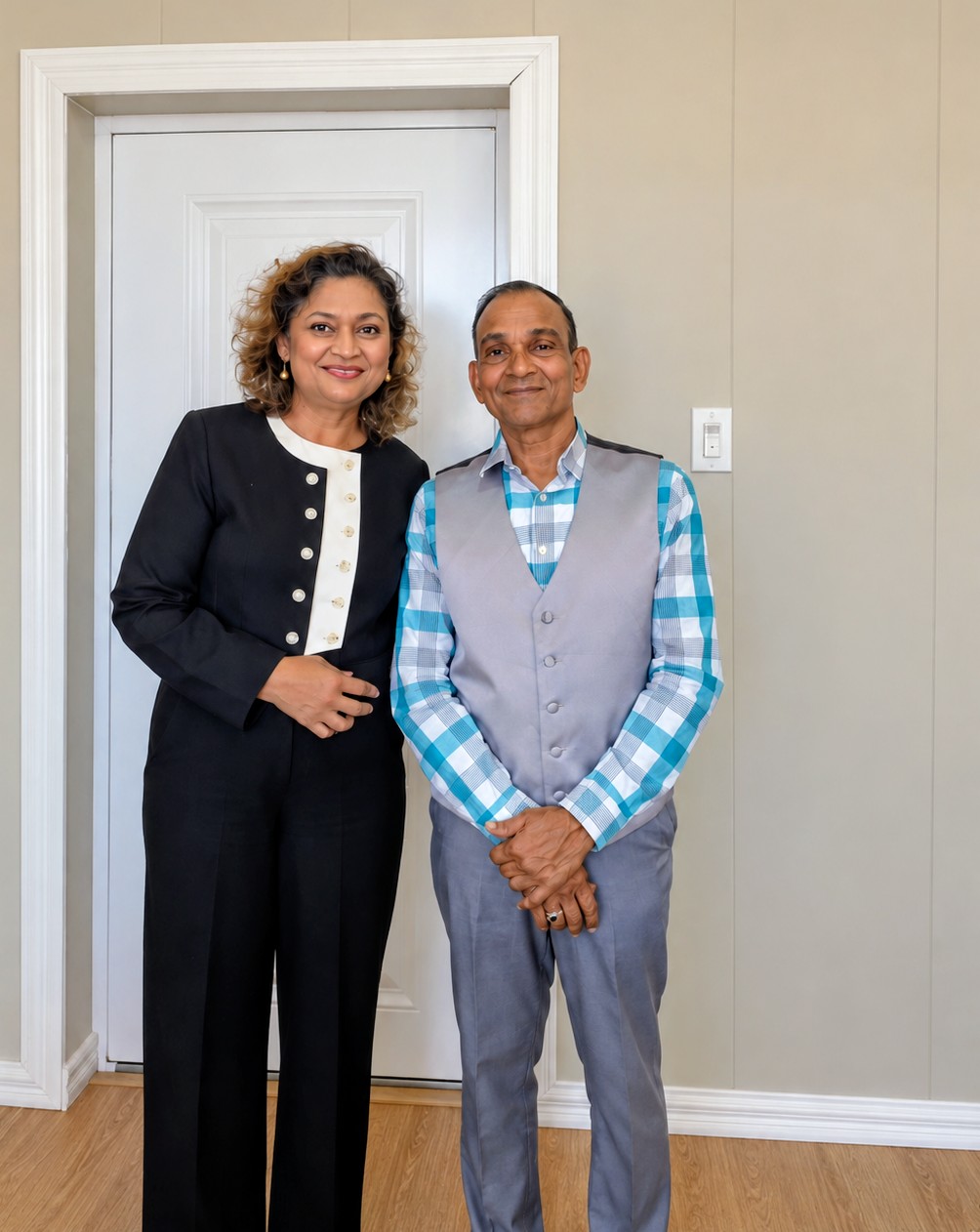
The organisation’s founder, Rampertab Etwaria, met Manickchand at her office this week and presented a model under which households separate food scraps and cardboard from other refuse and convert them into compost.
“The solution to overcrowded landfills does not start at the dumpsite. It starts in our citizens’ kitchens,” Etwaria was quoted as saying in a release.
According to the organisation, its approach is centred on four actions: separating, diverting, composting and monetising household organic material.
Participating families are taught to combine kitchen scraps and cardboard in a backyard composting system. The group said the process produces what it markets as Organic Miracle Garden Soil in approximately 12 weeks.
The compost can be used in kitchen gardens and other forms of household food production or sold to generate income, the release said.
Waste To Wealth Caribbean reported that it held six educational exercises during 2026 and introduced 77 families in Georgetown and Linden to its composting programme.
It also organised an activity at the National Park in May to mark International Compost Awareness Week. The group said 39 families participated.
Etwaria is now seeking partnerships with the government, private sector, communities and development agencies to expand the initiative. The organisation has set a target of enrolling 1,000 families by 2030 and contributing to a 25% reduction in refuse being taken to landfills.
“We want to upgrade how citizens think, from waste management to wealth management,” Etwaria said.
“Instead of asking only how we manage garbage when it reaches the dumpsite, we want citizens asking how much of what leaves their kitchens should ever become garbage in the first place.”
The group offers a 12-week household programme costing $25,000 for persons completing it independently and $50,000 for a package which includes mentorship and onsite assistance.
Participants who successfully produce compost and satisfy the programme’s requirements may subsequently qualify for training to teach other households, the release added.









Discussion