-absence of consultations with indigenous community a major concern
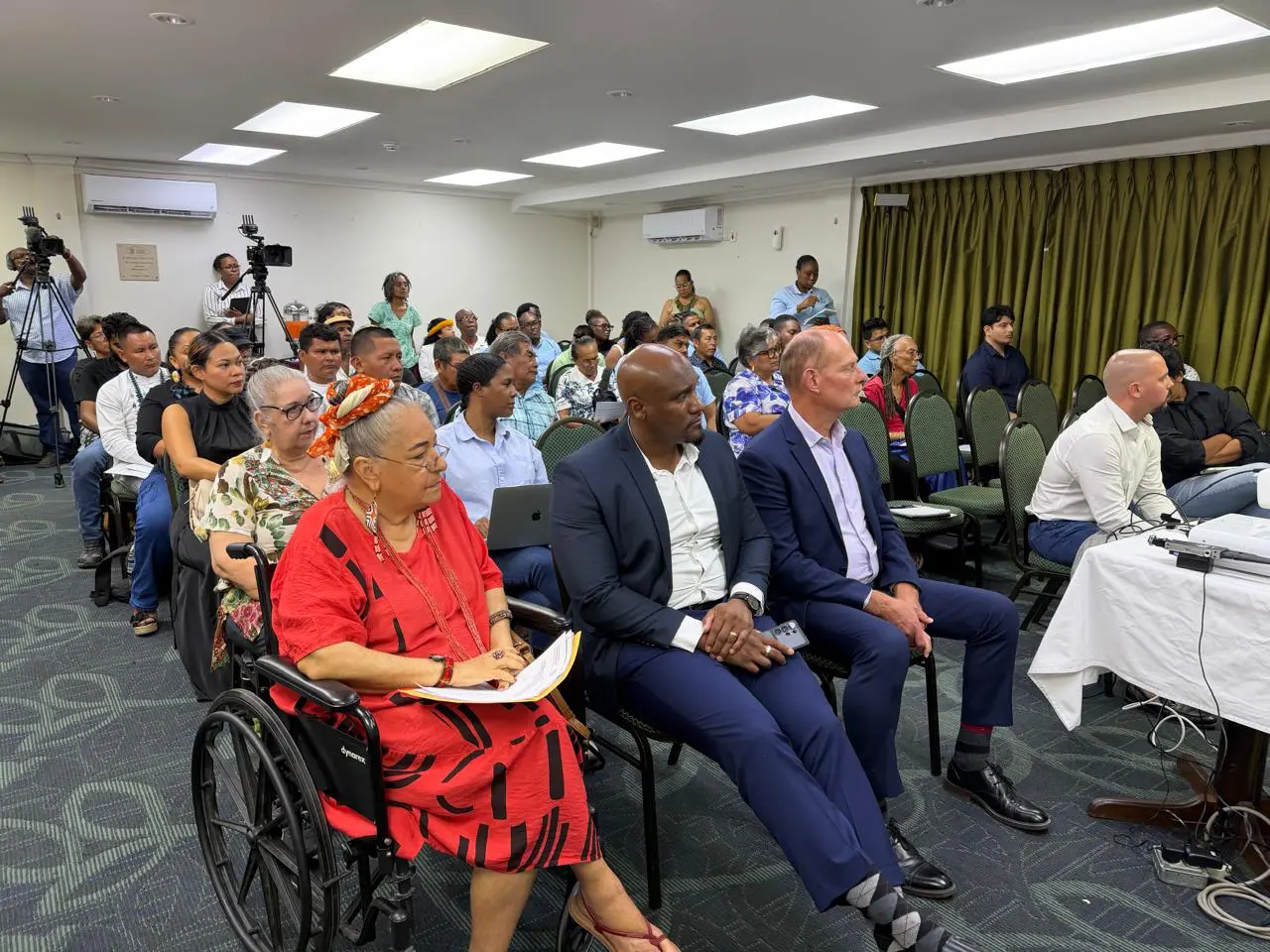
Exploration plans for uranium in Kurupung faced triple-barrelled opposition during a hearing yesterday against an EPA decision not to require an environmental impact study and the session was dominated by concerns over the disregarding of the views of the indigenous population.
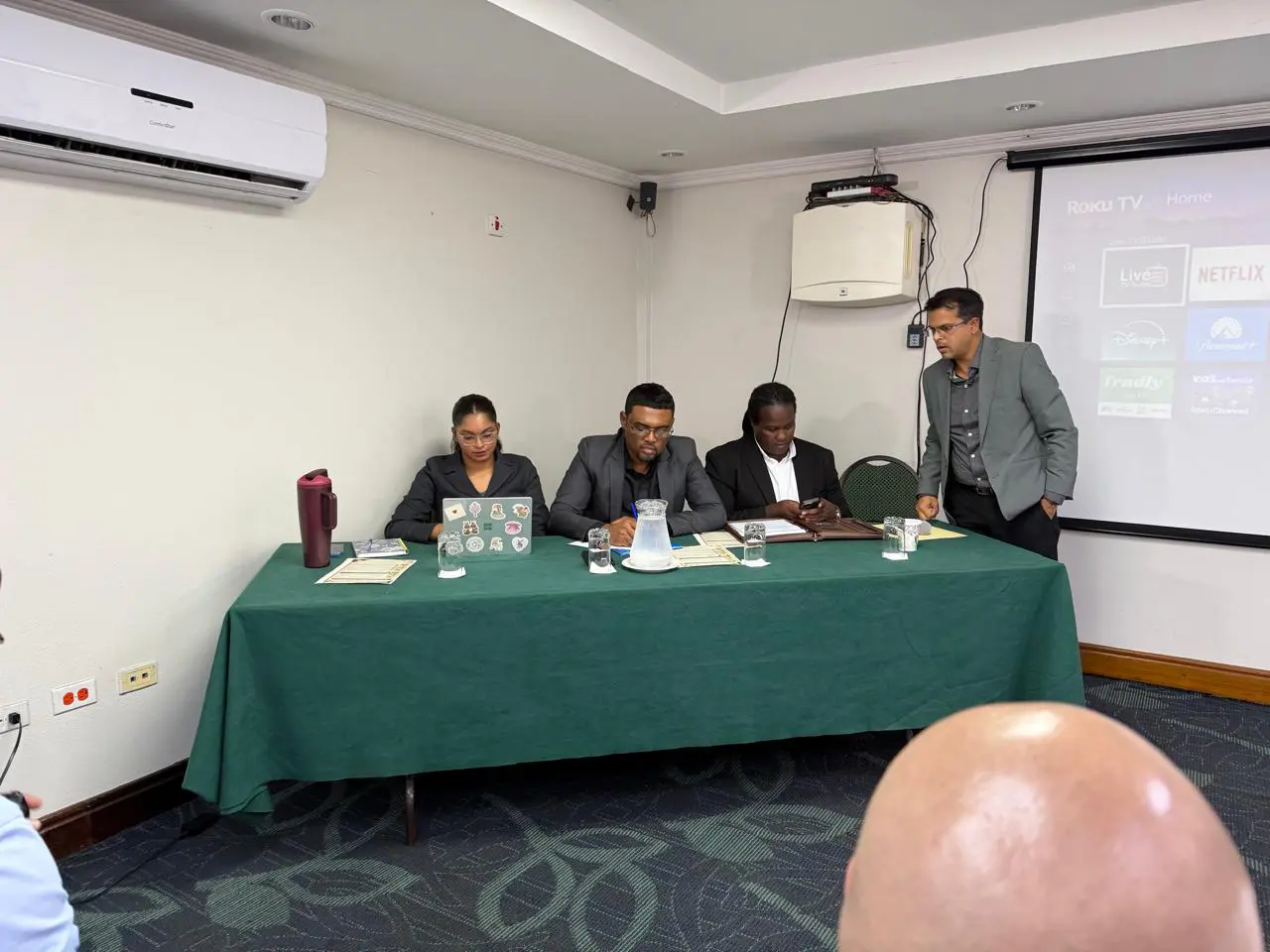
The three-hour long hearing was convened by the Environmental Assessment Board (EAB) which adjudicates appeals against decisions of the EPA.
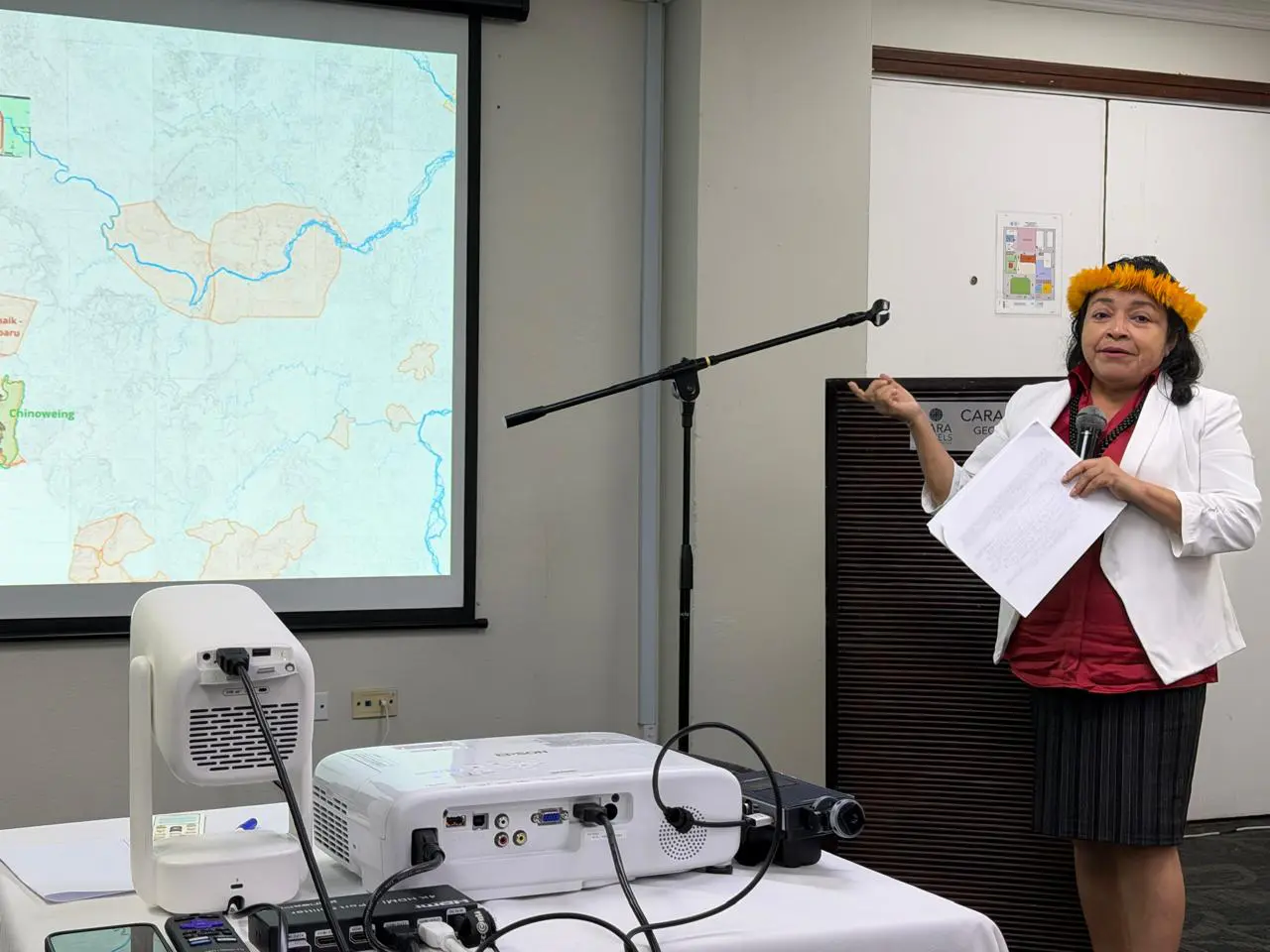
Held at the Cara Lodge, there were routine eruptions of dismay over the lack of consultations with indigenous communities in Region Seven that can be affected and the most poignant moment in the proceedings arrived when an Akawaio woman from Kurupung took to the stage to speak in her native tongue about her village and the plans to explore for uranium. Translation was provided by Laura George.
The EAB will now have to deliberate on the appeal against the Environmental Protection Agency (EPA) decision not to require an Environmental Impact Assessment for Lia (Guyana) Inc which is the Canadian company behind the Kurupung Mineral Exploration Project.
There were three appellants: the village of Isseneru which was represented by its Toshao Ivor Courtman, Laura George supported by a number of groups and Danuta Radzik and attorney Malene Alleyne.
Proceedings kicked off with Lia’s Adam Clode providing technical information on the proposed drilling. This revolved around plans for the drilling of 5,000 metres of samples in the area which had already been explored by two other companies which did their own exploration for uranium. He contended that 99.4% of readings at the site were below the UN level for background radiation. He noted that no new roads would be built and the company held itself to the highest international standards.
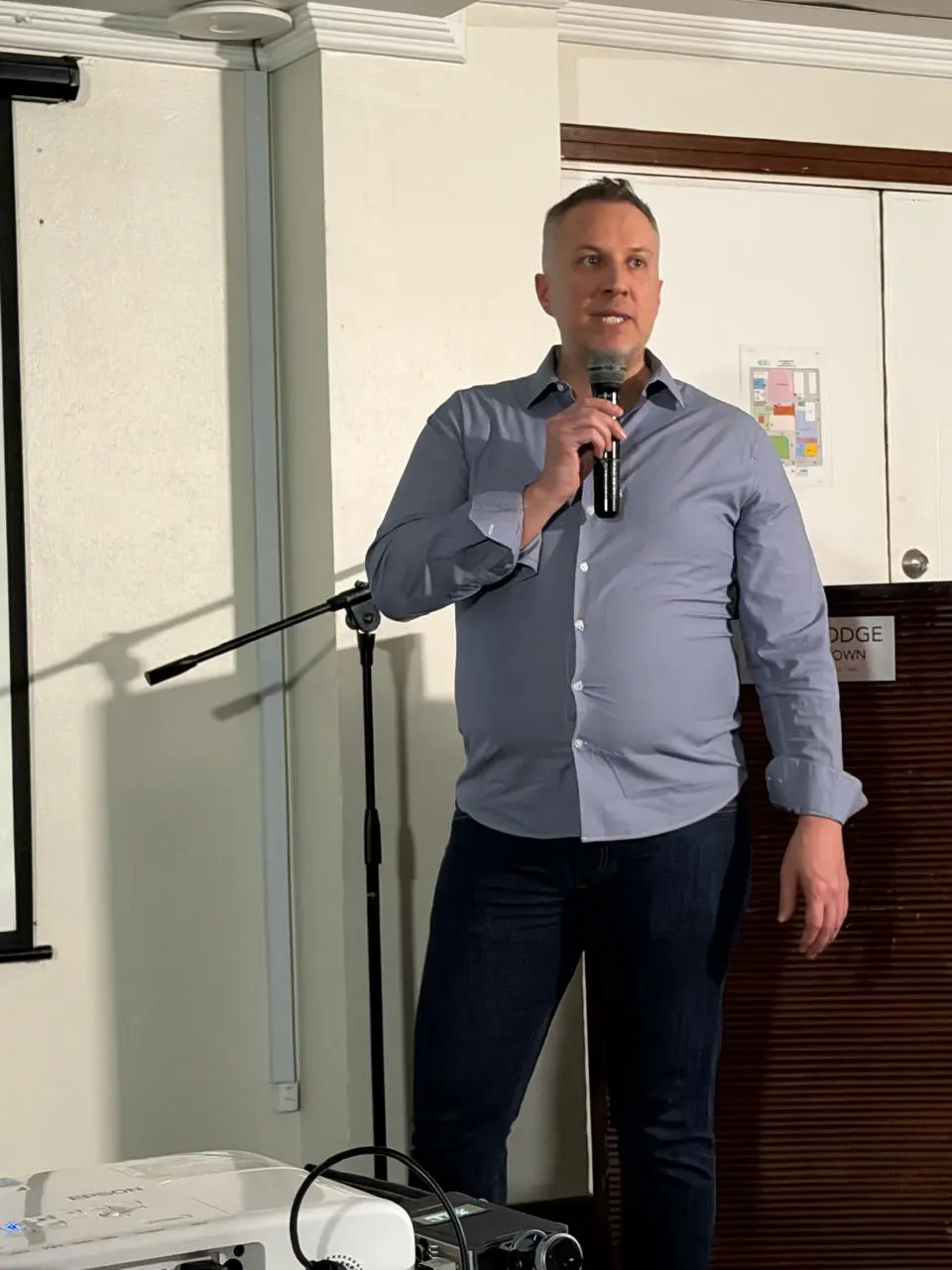
He adverted to Kazakhstan, Namibia and Canada as among uranium explorers and said that Guyana has a real chance to add its name to the list.
Questions were then posed by EAB Chair Mahender Sharma and members Dr Garvin Cummings and Joslyn McKenzie. Cummings questioned the safety of storage of the core material that would be drilled and McKenzie asked about the water table and how effluent would be addressed. Clode said that inert fluids are used for drilling and then recycled. McKenzie continued to press questions on the sump to store effluent and Clode handed over to another team member, Dr Richard Spencer. He was questioned about the number of drums of effluent and how the core samples would be transported and kept safely. The sump would be lined with geo membrane and would have a shed which would allow evaporation. There were murmurs of discontent in the standing-room only gathering when he disclosed that if the project was not deemed feasible the core samples would revert to the Guyana Geology and Mines Commission which would have to then take a decision on disposal. Sharma asked about the specifications of the drums. Throughout the presentation there was conflicting information on the duration of the drilling programme.
Spencer was asked by the EAB if he was living in the community what he would be most concerned about and he referenced water and the soil while assuring that there would be careful monitoring. A planned once-a-month monitoring of water quality drew gasps from the audience and Sharma asked if that would be enough. Forty drill holes are expected to be bored for the samples to determine whether the project could be viable.
George then took the floor and impressed upon the gathering that members of the indigenous community had lived in all parts of the concession area since time immemorial. Her objection was done jointly with indigenous groups and the former head of the EPA, Dr Vincent Adams. While it was later clarified during the hearing with the EPA that the drilling is to be done on state land, George and others who followed emphasized that there was overlap between the area and their traditional lands.
In what would become the lasting theme for all of the appellants, she said that the indigenous people are still to be consulted and how could exploration possibly go on in those circumstances.
“These lands are dear to us” she declared as she contended that the indigenous people who had gathered yesterday did not understand the technical language presented by Lia. She charged that their rights had been completely extinguished by the failure to observe Free, Prior and Informed Consent (FPIC). She called for a revisiting of the project and for an Environmental and Social Impact Assessment (ESIA) to be done. Noting that the region is already grappling with mercury contamination from gold mining, George queried how the people would ensure that their lands are not left as a waste area and dumping grounds. She also charged that Lia is an unknown company, unproven and without information about its beneficial owners.
Another major sticking point for the appellants was the absence of the Environmental Management Plan which was to mitigate measures. This plan was not handed over by the EPA to one of the appellants and Danuta Radzik later from the floor enquired how one could mitigate problems without an ESIA highlighting them.
Radzik then made her presentation. She said that the decision not to have an EIA conflicted with the law which was clear that any project with a significant impact required an ESIA. She said it was not a small temporary project but one that could run for years with risk of waste water going into the ground and radiation. She charged that the project summary which had been supplied by Lia was deficient and the EPA had not supplied the EMP. She argued that the EPA did not have the requisite expertise in radiation and urged that the exemption be revoked.
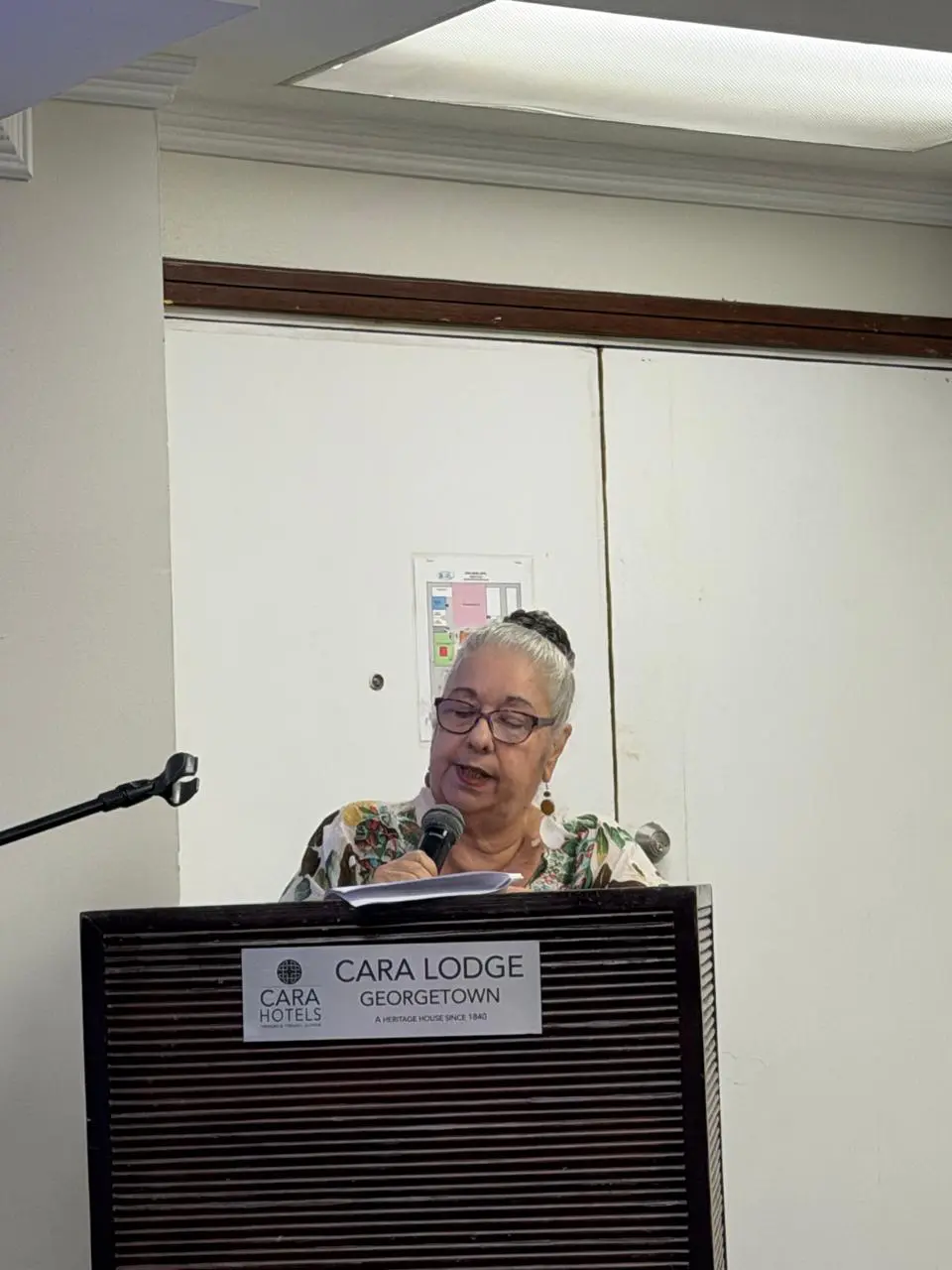
International high rights lawyer Malene Alleyne said that the absence of the EIA conflicted with constitutional precepts for a safe environment. The EPA has also fallen afoul of the Act by not addressing the cumulative impacts from the planned operation.
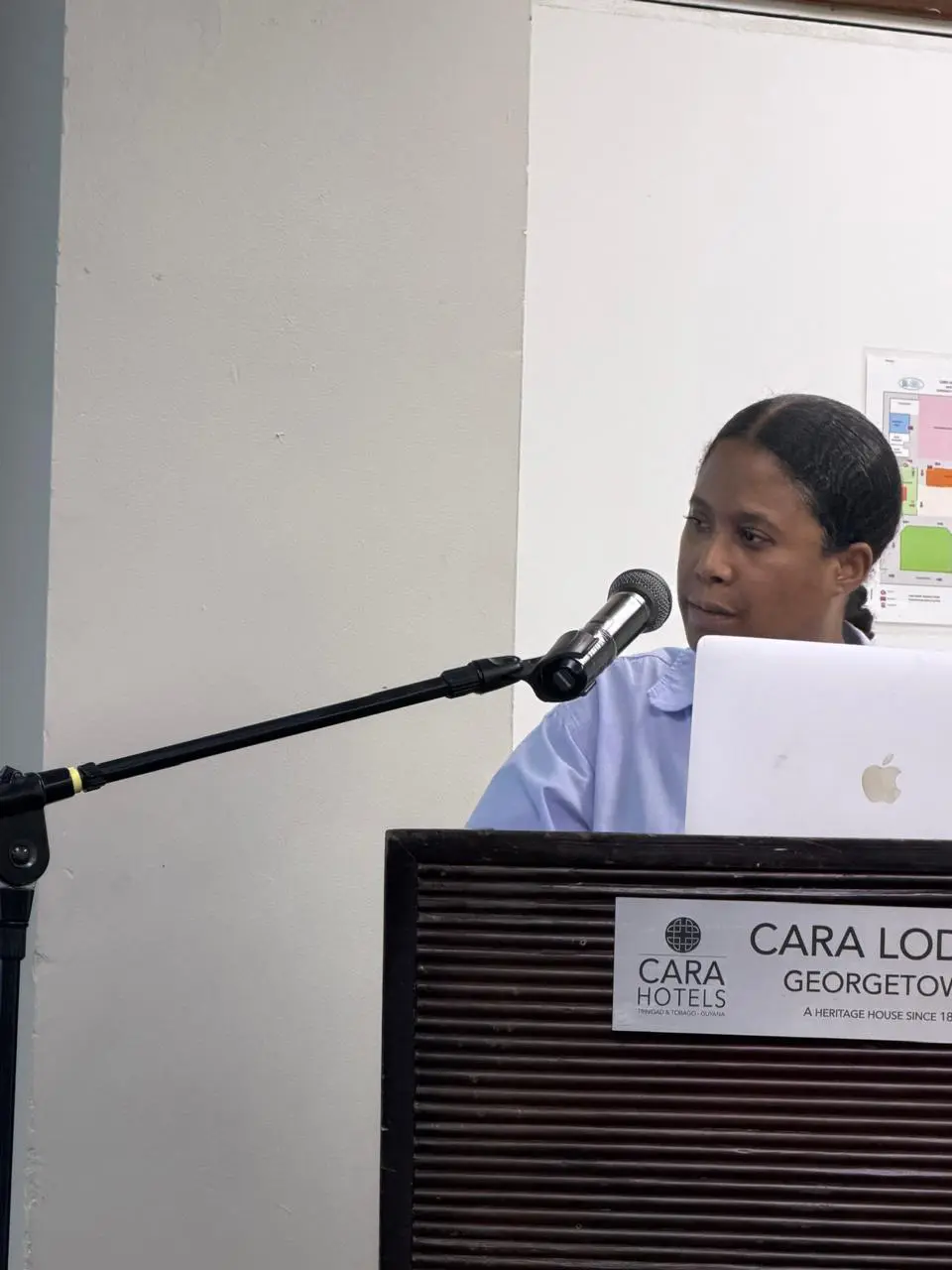
Aided with maps, Courtman said the constitutional right to protection of their heritage was at risk. He declared to applause that their rights be respected via consultation.
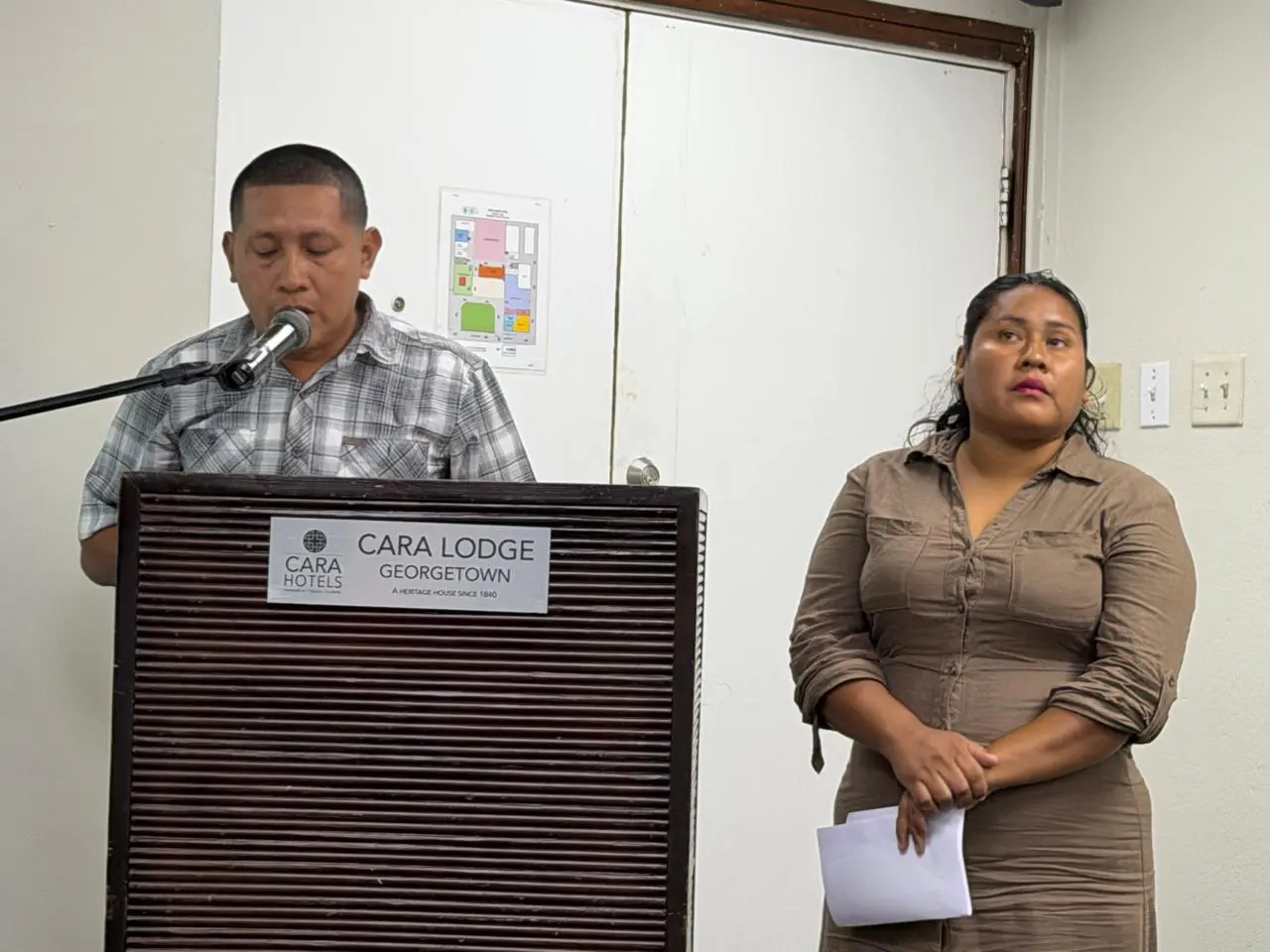
A team from the EPA then took to the floor to defend why an exemption from the EIA had been given. They cited the low risk of radiation and the small amounts of materials being handled. It was at this point after questioning it was clarified that International Atomic Energy Agency (IAEA) regulations do not mandatorily require an ESIA for exploration but does so for production projects.
The EAB’s Cummings would later ask the EPA team if there had been any observable impacts from over 50 years of drilling in the area. This triggered dissent from the audience that there had been no studies so that this was unknown. The lack of an EMP continued to be a problem and Danuta Radzik pointed out that in the absence of an ESIA pledges made by companies in EMPs are not followed through. Cumming asked if the EPA had the capacity to undertake the tests that the developers would do on the site and this was answered in the affirmative via the disclosure that Avanelle Jackson, a senior environmental officer had spent a year in with the IAEA.
In the question time that followed from the floor an incensed Bonita Harris railed against the absence of time spent in the communities to find out how they could be affected by exploration for uranium. “Is the EPA working for the developer or us”, she queried.
Vanda Radzik then provided an overview of questions posed to the hearing by Guyanese scientist Dr Ulric Nevile Trotz. These included the scientific and legal justification for the decision not to require an ESIA. Under this section he asked for the scientific evidence that enabled the EPA to conclude that uranium exploration in this sensitive area would not significantly impact the environment and who had conducted the environmental screening and their qualifications? He also asked if the EPA had commissioned independent baseline studies of soil, groundwater, surface water and biodiversity.
Danuta Radzik would later declare “It is not baby powder we are talking about here. It is not baby lotion. It is uranium” with all of its radiological and other impacts.
This was followed by a vociferous presentation by Maryam Perreira of Organization for the Victory of the People who said she was literally shaking after hearing that indigenous communities had not been consulted at all. “How can you say there will be no impact if they were not consulted”.
To loud cheers a member of the audience asked why the developer was opposed to an ESIA at which point Clode deflected by saying the company was prepared to abide by anything asked of it by the regulator.
With tempers flaring former Kako Toshao Mario Hastings declared “For too long we have been silent”. He asked why learned people “are letting us down” and added “we also have the knowledge…you do not want to listen to us”. Hastings said that “We have a right to self-determination…and as an indigenous person I am saying no to this development”.
Vanda Radzik called for the EPA to eschew the allergy it seemed to have to ESIAs.
All material from the parties have to be submitted in 72 hours from yesterday’s hearing to the EAB. The EAB itself has come under scrutiny over the years as critics have said it is made up of persons from government agencies who may have a difficult time going against decisions that the government is in favour of. Sharma is the head of the Guyana Energy Agency, McKenzie is the Permanent Secretary in the Minister of Natural Resources and Cummings is the Chief Hydrometeorological Officer in the Ministry of Agriculture.
Kurupung woman speaking in her native language at consultation on proposed uranium exploration project







Discussion