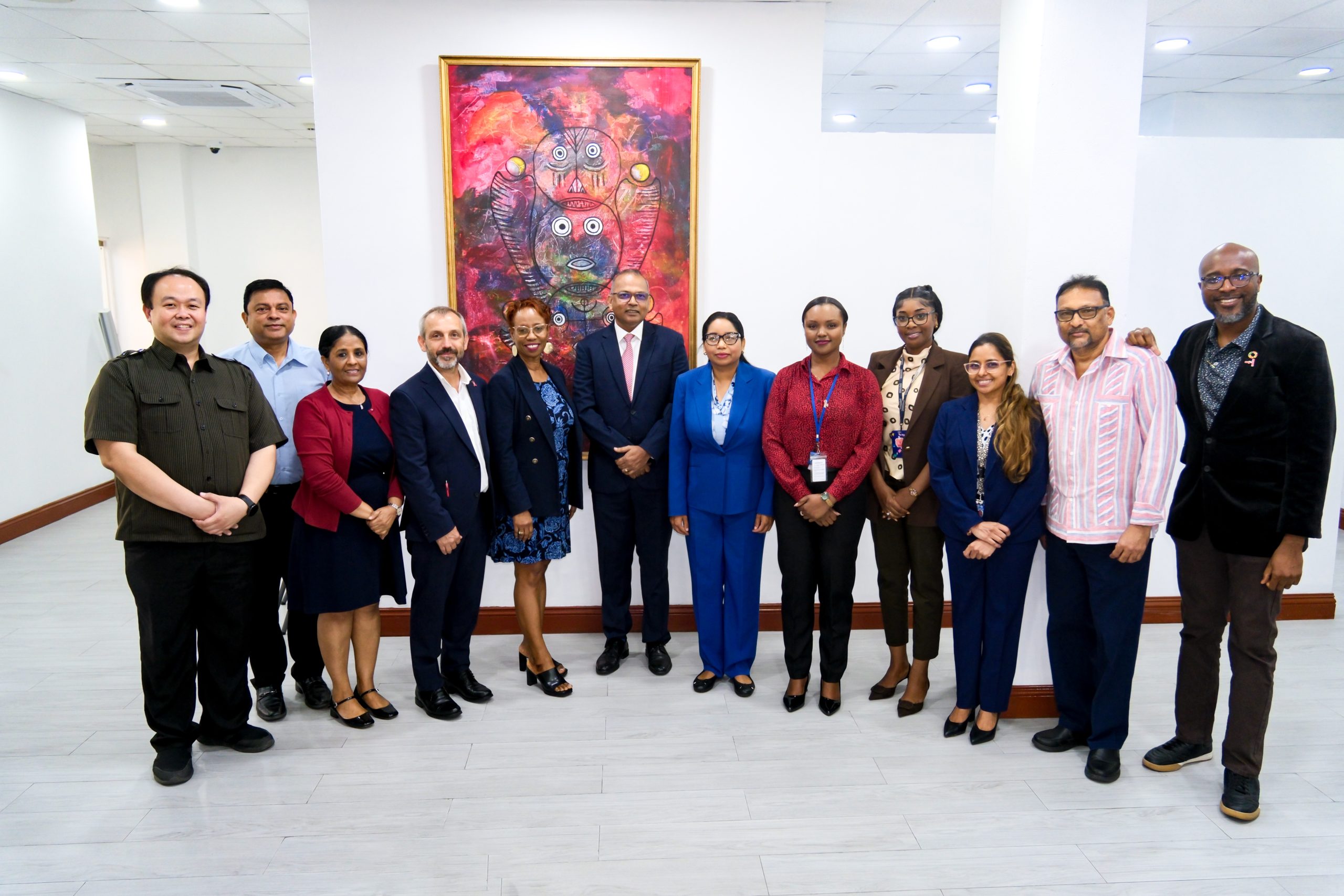
Minister of Health Dr Frank Anthony has called for increased HIV surveillance and diagnosis, warning that growing movement across Guyana’s porous borders must be taken into account in planning the country’s disease-control programmes.
Anthony made the call on Monday while addressing the opening of a two-day workshop aimed at strengthening the ability of healthcare professionals to identify and manage advanced HIV disease.
“We need to step up our surveillance. We need to step up what we are doing in terms of our diagnosis,” he said.
The minister pointed to the treatment of persons from neighbouring Brazil and Venezuela at local health facilities as examples of the cross-border movement confronting the public health system.
He said that where surveillance identifies possible hotspots, targeted programmes must be introduced to address emerging needs.
The workshop, which concluded on Tuesday was held in collaboration with the Pan American Health Organization/World Health Organization Disease Elimination Initiative. It has brought together clinical professionals from all ten administrative regions.
Anthony said considerable progress had been made in HIV treatment, with effective antiretroviral medicines transforming the virus from what was once frequently a life-threatening diagnosis into a manageable chronic condition.
He recalled that during the early years of the HIV epidemic, limited treatment options and widespread stigma often resulted in patients facing serious illness and discrimination.
“From those days, we have come a far way,” he said.
The minister stressed, however, that work remained to be done in surveillance, diagnosis, treatment and helping patients achieve viral suppression.
Guyana provides antiretroviral therapy through the public health system, while viral-load testing is also available to monitor patients and assist healthcare providers in making treatment decisions.
Anthony said HIV services must also be better integrated into primary healthcare instead of continuing under a largely separate or “vertical” system.
With approximately 450 public health facilities across the country, he said doctors at health centres should be equipped to diagnose HIV and provide treatment, while patients requiring specialised care could be referred to higher levels of the health system.
According to the minister, decentralising antiretroviral services would improve access and reduce the distances patients must travel to obtain treatment. He acknowledged that gaps remained in implementing this approach throughout the health system.
Anthony urged the participants to apply the knowledge gained at their respective health facilities. He said stronger clinical capacity, integrated primary healthcare and patient-centred services would be needed if Guyana is to meet its HIV-related targets by 2030.











Discussion