White Water Village Toshao Andrew Cox yesterday pressed the members of the MV Barima Commission of Inquiry (COI) on when their investigation would be completed, whether it could help families obtain promised assistance, and about those who still remain missing.
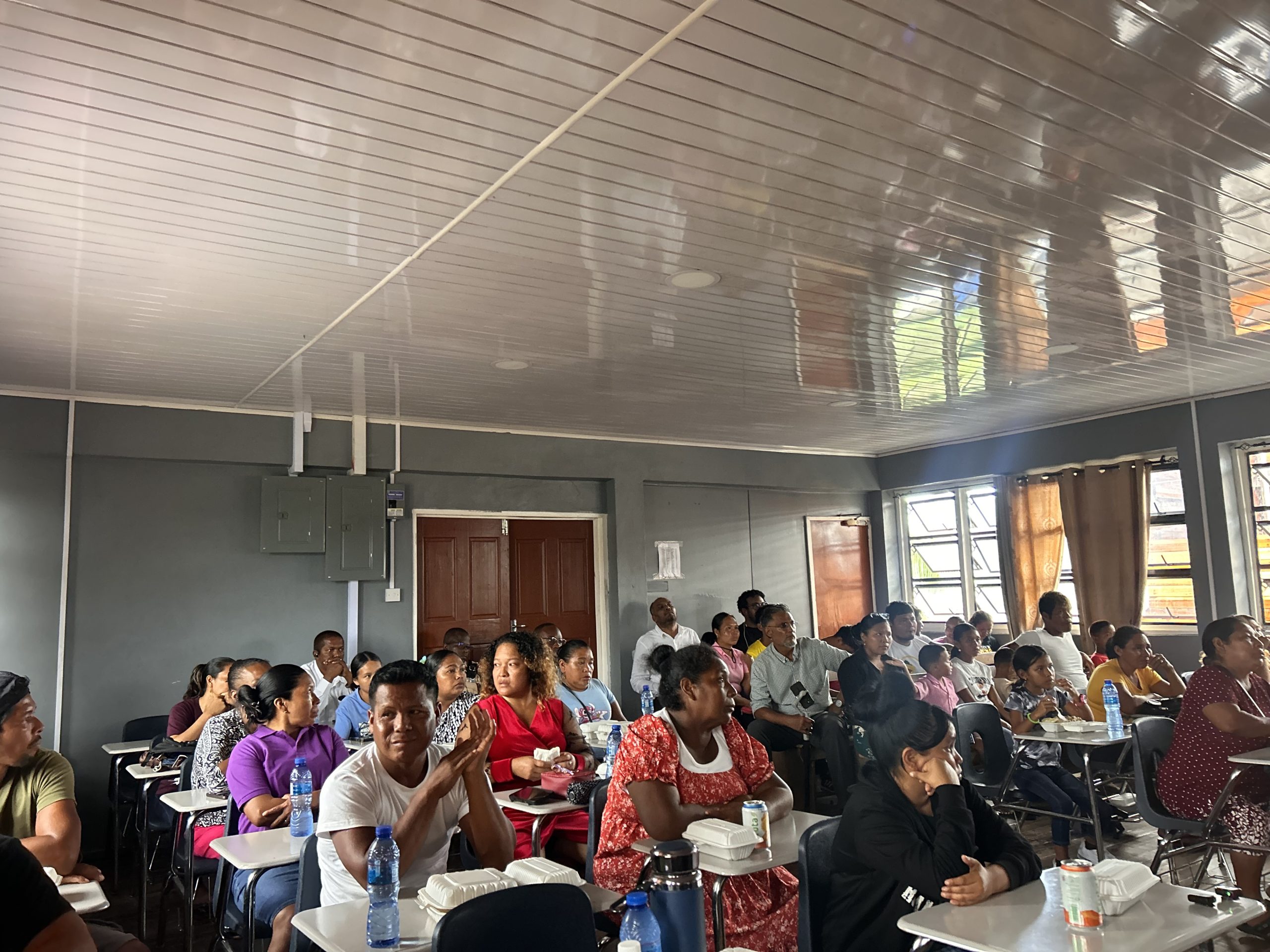
The COI had convened another field meeting at the National Agricultural Research and Extension Institute building in Mabaruma, Region One.
Survivors of the July 18 sinking also recounted engine failures, darkness and desperate attempts to stay afloat, while grieving families still seeking answers about missing relatives related that assistance was promised was yet to reach them.
Roselle Smith, who survived the disaster along with her husband Grenville Smith, described poor conditions aboard the vessel, saying passengers did not have proper seating and some had to sit or lie on the floor.
Smith recounted the confusion surrounding the incident and the difficulty of navigating after the vessel went down. “Where it’s dark, you can’t see anything,” she said, describing the conditions faced by those struggling in the water.
Another survivor said the boat had been rocking before a sudden wave struck it sideways. The engine had reportedly stopped earlier in the journey, around 5 pm, then around 9 pm, before the vessel capsized at about 10 pm.
The survivor said the MV Barima had appeared lower in the water and heavier than on a previous trip, with substantial cargo, including gas bottles, on deck.
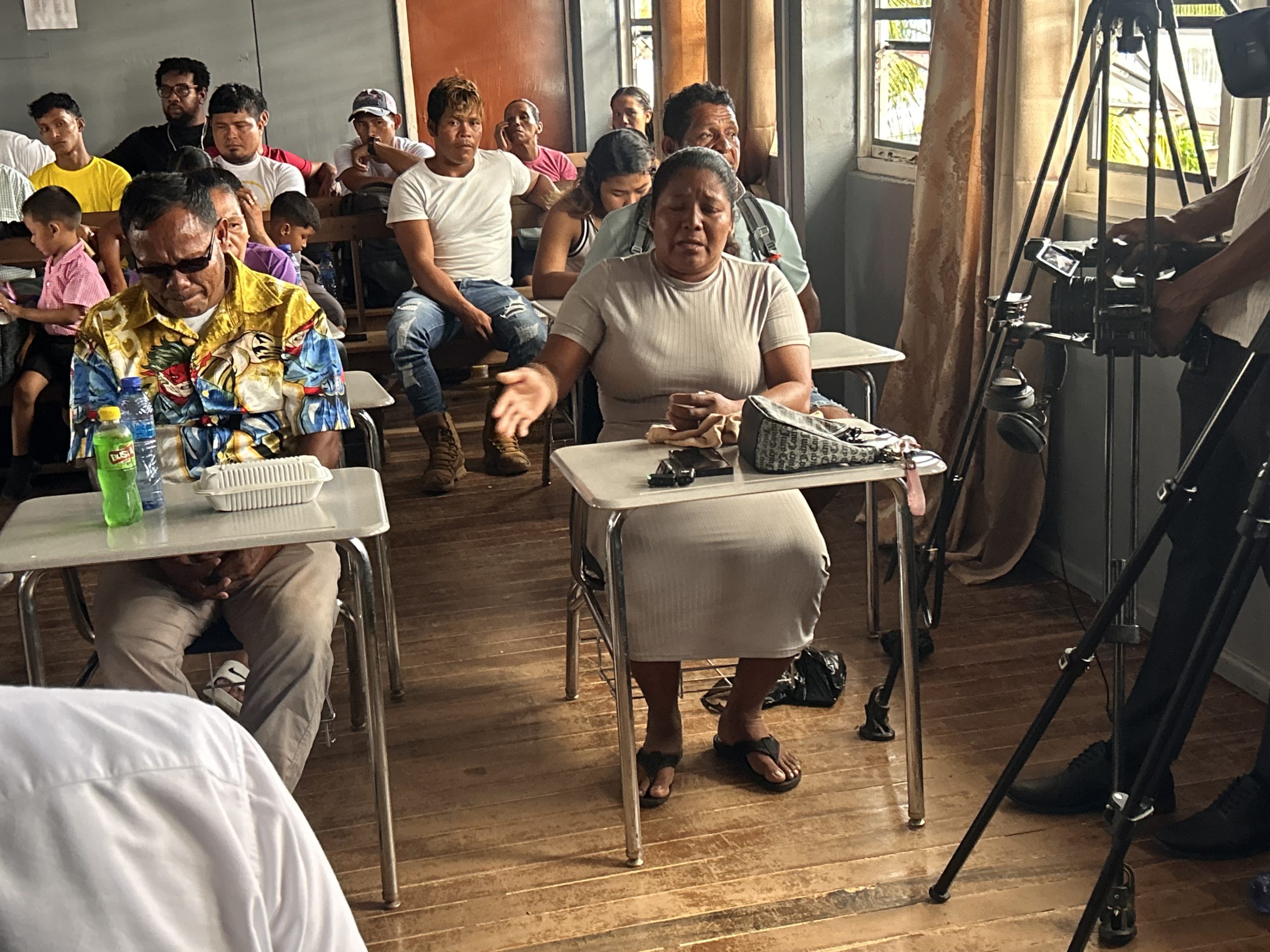
A father, who lost his son, Jacob Jerome, said yesterday would have been the child’s birthday. He said he intended to return to paint his son’s tomb after the meeting. The father, who lives in the Barima River area, said travelling to Mabaruma cost the family an estimated $30,000 to $40,000 in fuel, with food and other expenses bringing the total to about $50,000.
Despite those costs, he said he had made the journey because he wanted the commission to hear the concerns of affected families.
The father, who is visually impaired, appealed for authorities to do more for those affected, stressing the need for people to support one another during difficult times. He also questioned whether the Commission’s visit would lead to immediate assistance or whether families would have to wait months. He appealed to the commissioners to remind the authorities about commitments made to survivors and relatives of those who died.
The father said he had heard reports that more than $100 million was expected to be made available to support survivors and bereaved families. “We don’t know where the money is going,” he said.
The accounts highlighted concerns about how assistance is being delivered and whether families understand what support is available to them.
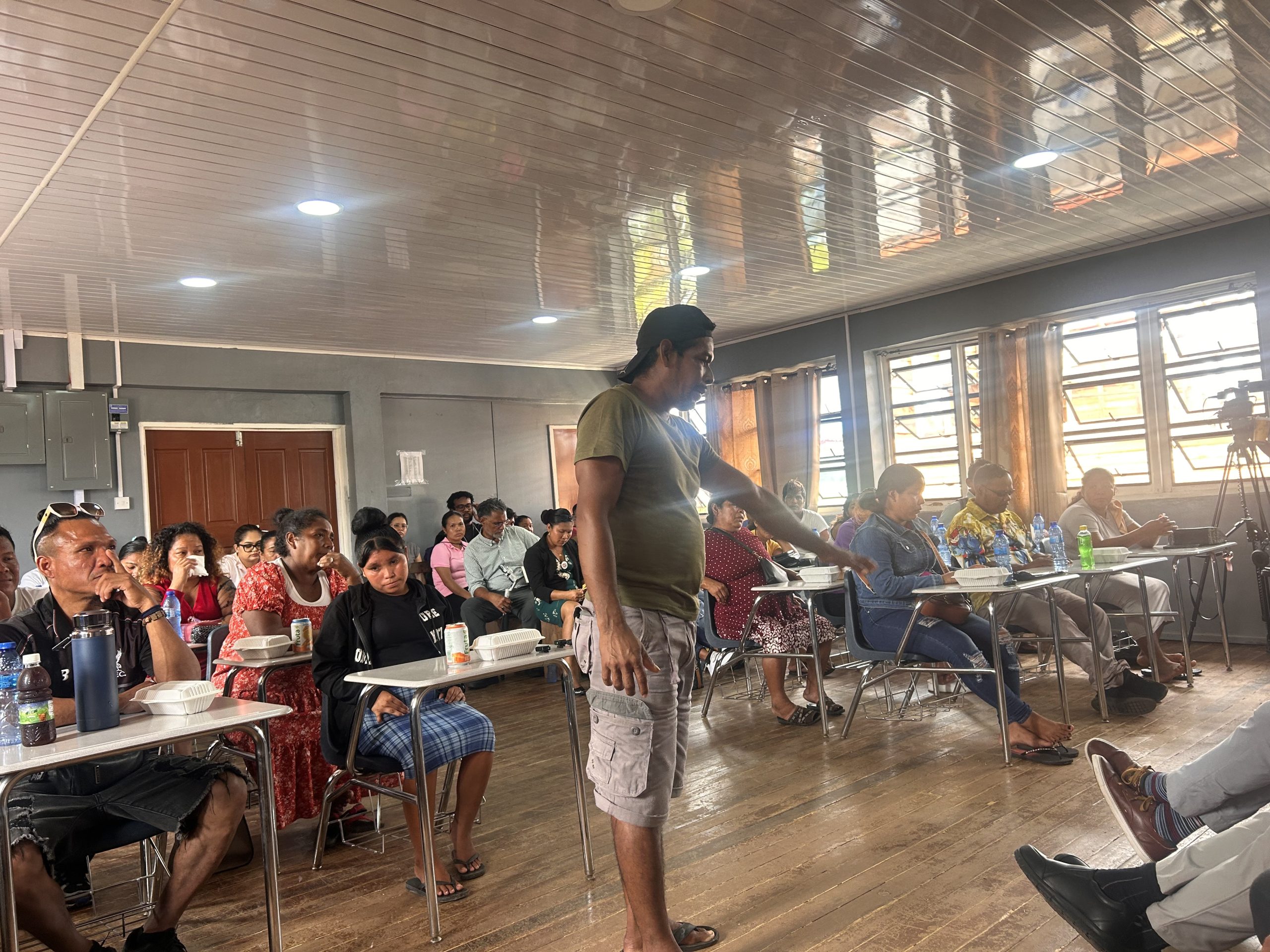
Meanwhile, Cox asked the commission how long the investigation would take and when residents could expect clarity about the tragedy.
The chairman said a six-month period was estimated, with March next year as its target, while stressing that the commissioners wanted to work as quickly as possible without compromising the investigation.
The chairman also explained that the commission was not the government and could not directly provide the assistance being sought. However, he said he could bring the families’ concerns to the relevant authorities.
“What I as the chairman can do, is to pass on a message to say, I came here, and all the people are saying they’re not getting the help that was promised,” he said.
He added that he would relay the concerns “forcefully”.
Cox also asked when the MV Barima would be raised, but the chairman said that responsibility rested with the government. He said he understood that the government was looking at finding a company to undertake the operation, but could not say how quickly it would be done.
The Toshao further sought clarity on the missing, including whether raising the vessel would allow their families to obtain answers.
The chairman said recovering the vessel could lead to a complicated forensic process, while explaining that the commission’s work extended beyond determining what happened on July 18.
He said the inquiry was also focused on preventing a similar tragedy, including examining rules governing vessels, passenger limits and whether those limits were being respected.
He added that the commission would try to use its influence to bring forward concerns that fell outside its direct control.
Cox spoke of the emotional toll on survivors from questioning by police and other officials, saying some residents felt pressured when they were asked the same questions repeatedly.
He said he understood the need for the investigation but wanted the process completed as quickly as possible because the continued uncertainty was affecting people who had already suffered losses.
Rosita Persaud, sister of Leonardo Persaud, shared the circumstances in which her family learned that he had been aboard the ill-fated vessel.
Persaud said her brother had been travelling home without informing relatives because he wanted to surprise them. The family only learned that he was aboard the MV Barima after villagers in White Water alerted them.
His journey home, intended as a surprise for his family, instead became the beginning of a period of uncertainty and anguish as relatives sought answers following the sinking.
The meeting in Mabaruma heard accounts of survival, bereavement and the practical challenges facing families in remote communities who must travel considerable distances to attend meetings and seek help. For those survivors and relatives, the investigation is one part of a longer process of seeking answers and trying to rebuild their lives after the tragedy.
The COI’s field meetings are scheduled to continue today in Port Kaituma, Region One.







Discussion