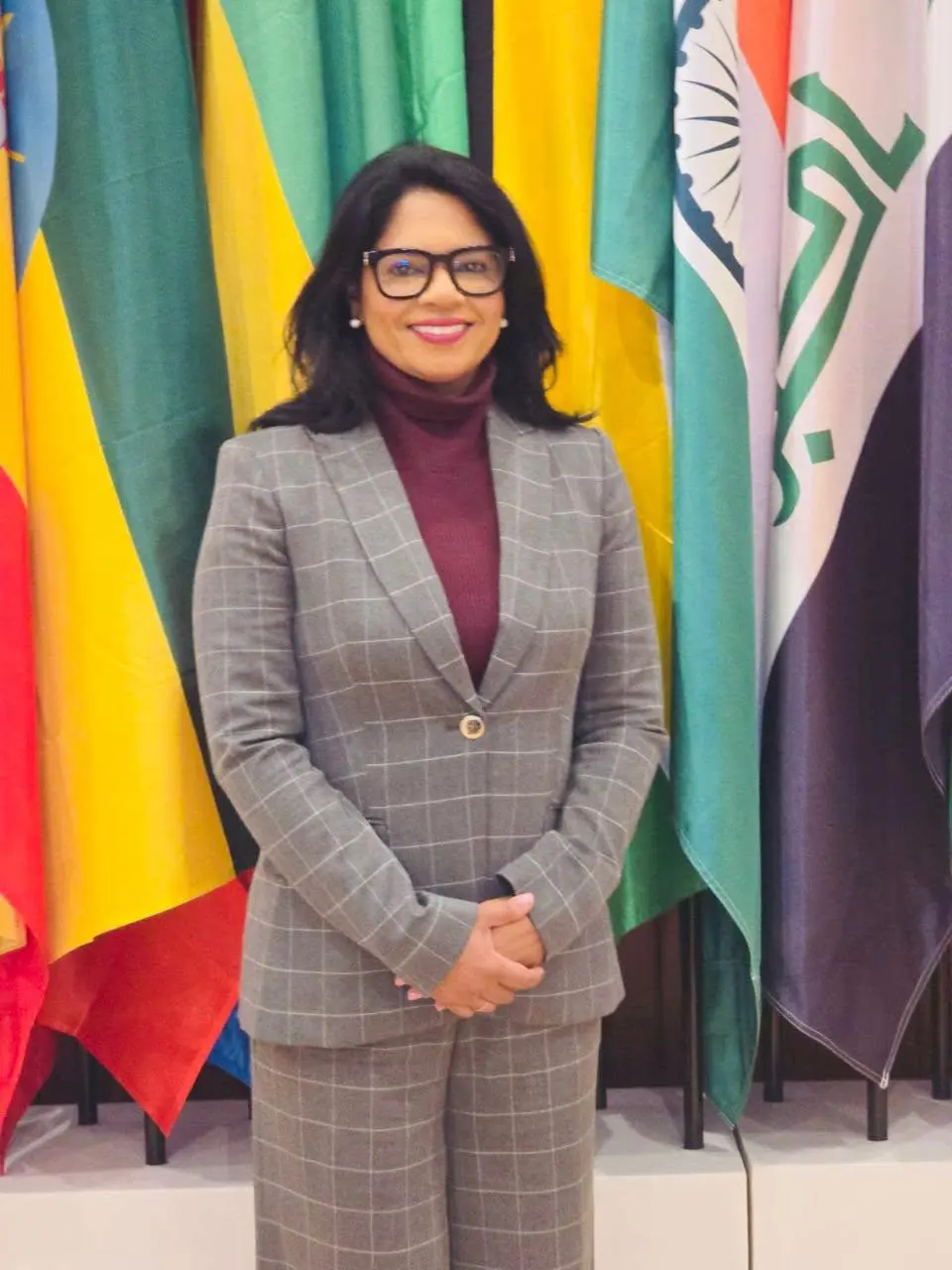
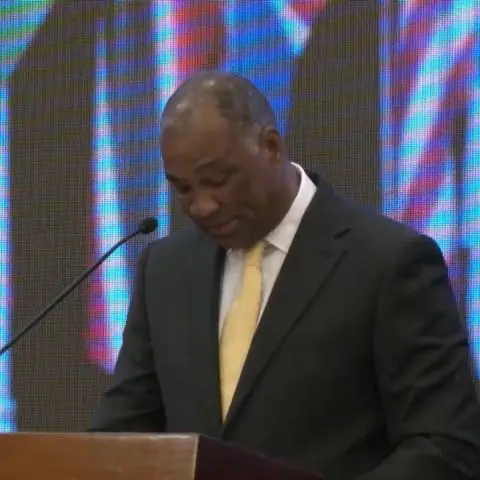
Education Minister Sonia Parag has urged UNESCO to measure educational progress by how effectively countries reach children facing the greatest barriers, while calling for financing that recognises the higher cost of providing schooling in remote communities.
According to an Education Ministry release issued yesterday, Parag made the appeal during plenary debates on the Director-General’s Report at UNESCO’s 225th executive session.
“For Guyana, equity must remain central,” Parag said. “Our collective progress must be measured by how effectively we reach learners facing the greatest barriers, including those in hinterland, riverine and remote communities, Indigenous learners, and children with disabilities and special educational needs.”
Her presentation addressed UNESCO’s work towards Sustainable Development Goal Four, which seeks to achieve inclusive and equitable quality education and promote lifelong learning opportunities for all by 2030.
Parag identified teacher development, foundational learning, inclusive digital transformation, predictable financing and effective planning as priorities for building resilient education systems.
She said financing arrangements should account for the additional expense of delivering education in isolated areas while preserving national ownership of education programmes.
The geographical barriers facing learners have featured in local efforts to expand access. Stabroek News reported in August 2025 that, before the opening of Meriwau’s first primary school in Region Nine, children had to travel to neighbouring communities, often on foot. According to the ministry’s account carried in that report, the distances and lack of accommodation contributed to children dropping out or never enrolling. The new school opened with 29 pupils and included teachers’ quarters.
At UNESCO, Parag also called for stronger data systems that distinguish between different groups of learners, allowing governments to better assess enrolment, completion rates and the distribution of resources.
She welcomed the organisation’s focus on teachers, saying continuous professional development, adequate resources and supportive working conditions were essential to improving literacy, numeracy and learning outcomes in underserved communities.
On technology and artificial intelligence, she said digital advances must be accompanied by teacher training, accessible learning materials and measures to address connectivity gaps.
Support for children with disabilities has also included programmes beyond the classroom. Ib July the blind and visually impaired children from Regions Three and Four attended an independent living skills camp organised by the Guyana Council of Organisations for Persons with Disabilities and the Education Ministry. Sessions covered mobility, home management, financial literacy and other practical skills intended to strengthen independence.
Looking beyond the 2030 deadline, Parag urged UNESCO to ensure that teachers, young people and marginalised communities have a direct role in shaping the next global education framework, while maintaining attention to existing commitments.
Guyana supported the draft decision before the meeting and called for practical assistance to countries, clear milestones and measurable improvements in access to education and equity, the release said.









Discussion