The Human Organ and Tissue Transplant Agency (HOATTA) has begun engaging public and private hospitals on the requirements they must meet to be certified to conduct living kidney donations and transplants.
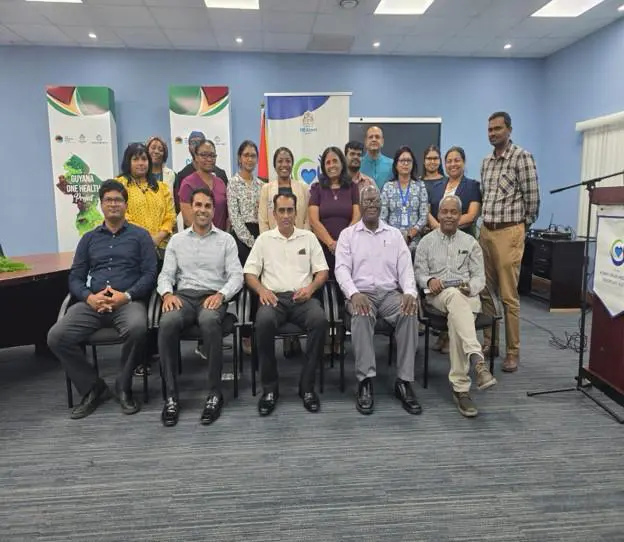
According to a Ministry of Health release, representatives of the Georgetown Public Hospital Corporation, St Joseph Mercy Hospital and Woodlands Hospital Inc attended a sensitisation session alongside intensive care physicians, nephrologists and transplant surgeons.
The engagement focused on the certification framework established under the Human Organ and Tissue Transplant Act No. 1 of 2022 and the safeguards intended to ensure that transplant services are provided safely and ethically.
HOATTA Secretariat Chief Executive Officer Dr Sondia Gordon told participants that certification was central to protecting patients and maintaining the integrity of the country’s transplant programme.
“Certification is not about creating barriers. It is about setting the standard,” Gordon was quoted as saying.
She said the public must be assured that any institution performing living kidney donations and transplants has the personnel, systems and safeguards to do so safely, ethically and transparently.
HOATTA Chair Dr Shanti Singh-Anthony presented an overview of the legislation, the agency’s statutory mandate and the roles of designated officers and hospitals.
She said the agency was responsible for establishing the certification framework and standards but recognised that hospitals might encounter challenges in satisfying some mandatory requirements.
Singh-Anthony said HOATTA was prepared to work with the institutions to identify deficiencies and strengthen their capacity. She stressed that hospitals seeking certification must appoint a transplant coordinator.
The certification process will have three stages. A hospital must first apply to HOATTA, after which a Health Facility Certification Assessment Team will inspect it against the established standards.
If certification is recommended, HOATTA will formally ask the Minister of Health to designate the institution as a transplant centre.
HOATTA member Dr David Samaroo presented the Transplant Centre Certification Manual, which details the institutional requirements hospitals must satisfy. These include suitably qualified personnel, infrastructure and equipment, clinical protocols, standard operating procedures and other safeguards.
Hospitals must also establish multidisciplinary kidney transplant teams comprising qualified transplant or vascular surgeons, nephrologists, transplant nurses and other professionals. Those teams will be responsible for evaluating donors and recipients, performing transplants, providing post-operative care and managing possible complications.
During an assessment, each requirement will be classified as fully met, partially met or not met. Hospitals will then receive recommendations to correct deficiencies.
“Certification is not simply about meeting a set of requirements; it is about ensuring that every transplant centre has the people, systems, infrastructure and processes in place to provide safe and quality transplant services,” Samaroo said.
Ministry of Health Institutional Review Board Chair Dr Rita Gobin stressed that living kidney donations must be voluntary, based on informed consent and free from coercion or financial inducement.
“Living kidney transplantation can save and transform lives, but it must always protect the autonomy, safety and dignity of both donor and recipient,” she said.
St Joseph Mercy Hospital Chief Executive Officer Enoch Gaskin said certification would allow the hospital to contribute directly to improving the lives of persons with chronic kidney disease.
Woodlands Hospital Chief Executive Officer Dr Vilas Gobin welcomed the manual, saying it provided institutions with a clear framework for strengthening clinical governance, patient safety and quality standards. He said Woodlands looked forward to working with HOATTA as it developed its kidney transplant programme.
Singh-Anthony urged the hospitals to begin reviewing the certification requirements, assessing their capacity and identifying the areas that require further development.













Discussion