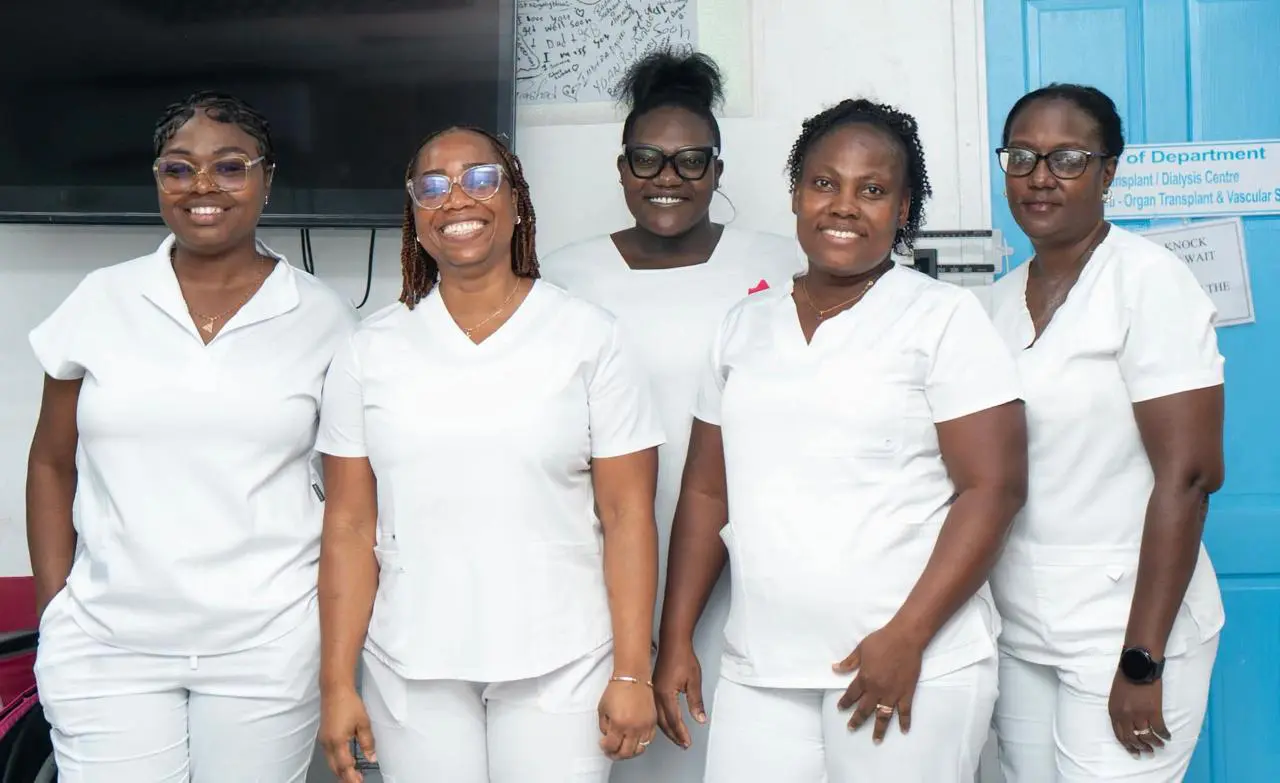
The Georgetown Public Hospital Corporation (GPHC) says its Dialysis Unit provides haemodialysis to about 20 to 25 hospitalised patients on a typical dialysis day, while about 20 patients are enrolled in its peritoneal dialysis programme.
In a statement outlining the unit’s work, the hospital said it plans to expand peritoneal dialysis, upgrade equipment and facilities, and improve specialist training for nurses. It also identified infection prevention, patient education, electronic record-keeping and access to kidney transplantation as priorities.
The unit, which falls under the Department of Nephrology, treats patients with sudden kidney injury as well as those with chronic kidney disease. The hospital said some patients need dialysis temporarily while their kidneys recover, while others with advanced chronic kidney disease may require ongoing treatment.
Haemodialysis uses a machine to filter waste and excess fluid from the blood. Peritoneal dialysis uses the lining of the abdomen as a filter and can often be done at home after patients receive training.
The hospital said nurses assigned to the unit are trained to operate dialysis equipment, monitor patients during treatment and respond to complications. The team also assesses patients, educates families and works with other departments. Through its wider nephrology service, GPHC said it has extended kidney care to five regions through specialist clinics and outreach.
The hospital said kidney disease may develop without obvious symptoms and encouraged people with diabetes, high blood pressure or a family history of kidney disease to have regular kidney checks.










Discussion