
The number of bodies recovered following the MV Barima tragedy has risen from 65 to 72, according to the government’s latest update on Thursday, as the large-scale search and recovery operation continues across an expanded 2,100-square-kilometre area extending as far as Waini Point.
In his latest update yesterday, Prime Minister Mark Phillips said 65 of the 72 recovered bodies have now been identified by their families. The number of survivors from the tragedy remains at 76 and it is believed that over two dozen persons are still missing. Aside from the Jonestown mass suicide in 1978, it is the highest death toll ever from a single event.
A total of 22 assets – 19 vessels and three aircraft – remain engaged in the operation, with aerial searches continuing across the expanded search area, he shared in a video update.
He also warned that the operation of unauthorised drones within the airspace of the search area is strictly prohibited because they pose a significant hazard to aircraft involved in critical aerial searches.
The latest figures represent a further increase in the number of bodies recovered following the capsizing of the MV Barima. On Wednesday, authorities had reported 65 bodies recovered and 76 confirmed survivors.
The Prime Minister had said Wednesday that 44 of the 65 bodies recovered at that stage had been positively identified by relatives, while 23 had been released to families for funeral rites and burial.
The search and recovery operation was expanded this week with the arrival of personnel and maritime assets from the Trinidad and Tobago Coast Guard and the Brazilian Navy to assist with diving and other specialised recovery activities.
Authorities have also been working on plans to reposition and refloat the capsized vessel to allow divers greater access to the wreckage. The proposed operation involves installing maritime salvage airbags, or buoyancy balloons, around the MV Barima to restore buoyancy before towing it closer to shore to facilitate further searches.
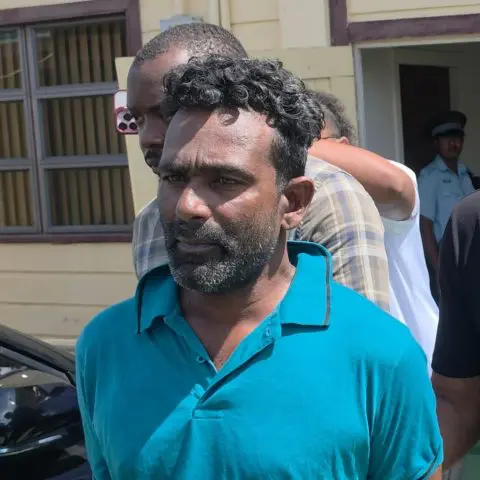
Meanwhile, Phillips disclosed on Wednesday that a third person, a superintendent he identified as “Mr Granderson,” who had responsibility for operations associated with the vessel’s loading, had been detained for questioning.
The captain of the MV Barima also remained in police custody as of Wednesday.
Questions have continued over the State’s initial response to the disaster, including the availability of Guyana Defence Force (GDF) aircraft during the critical early hours of the search-and-rescue operation.
Phillips confirmed on Wednesday that only one GDF helicopter was operational and available for deployment. Two other helicopters were out of service for maintenance and awaiting replacement parts.
Questions have also been raised about the availability and accessibility of life jackets aboard the MV Barima, particularly after survivors recounted clinging to various objects after the vessel capsized.
Phillips rejected suggestions that life jackets had been locked away, saying they were stored above and alongside passenger seating areas. He said the vessel carried 250 life jackets, six inflatable rafts capable of carrying 25 people each and two rigid rafts with the same capacity.
No compensation package has yet been determined for survivors or the families of those who died.
Phillips said compensation would be considered following the findings and recommendations of a promised Commission of Inquiry (CoI). However, he was unable on Wednesday to provide an update on how far the government had progressed in establishing the inquiry, saying only that an independent CoI would be set up “as early as possible”.
The Prime Minister was also unable to provide a breakdown of how many survivors were rescued directly by State agencies during the initial response and how many were first pulled from the water by fishermen and other civilian boat operators.
He explained that survivors were frequently transferred between vessels so smaller boats could quickly return to the search area, making it difficult to attribute individual rescues.
President Irfaan Ali declared three days of national mourning for those who lost their lives, with national flags flown at half-mast. Wednesday was observed as a National Day of Prayer, with a national prayer and reflection service held at the Kingston Seawall.
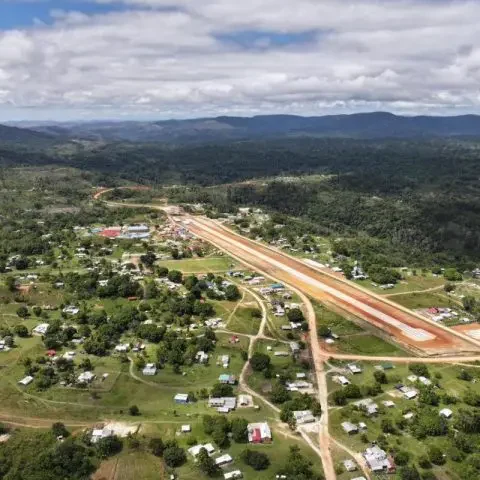
Further nights of reflection and prayer were scheduled for Port Kaituma on Thursday and Mabaruma on Friday as the search and recovery operation continues.








Discussion