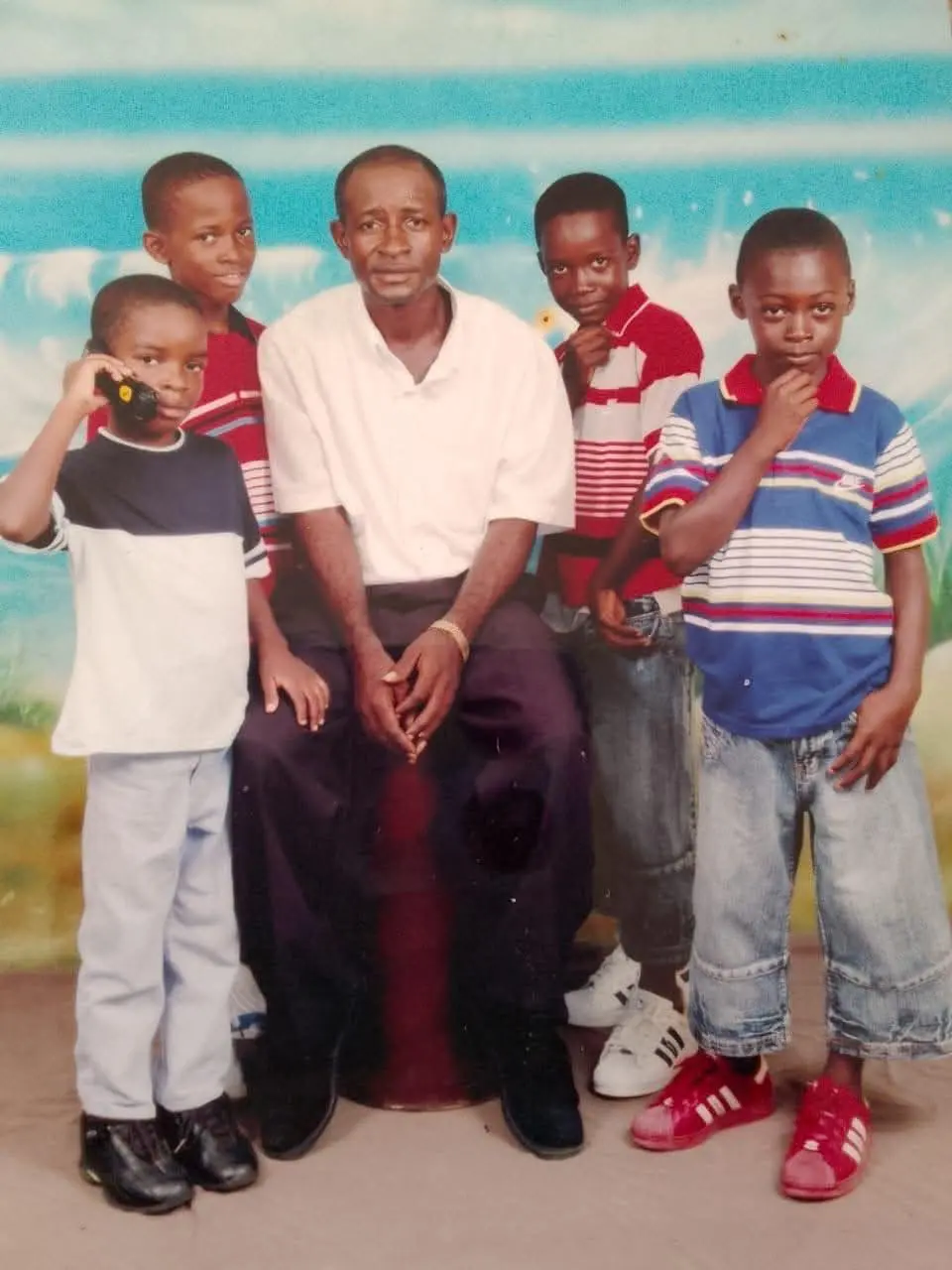
Jamal Europe will never forget the moment he learned that his father, Orin Europe, was aboard the MV Barima when the vessel sank off Guyana’s north-west coast — not only because of the fear that his father may have been in danger, but because he immediately remembered that his two younger brothers, Orwin and Omarius, were with him and could not swim.
“I was like, ‘Mom, my father’s a strong swimmer,’” Jamal recalled.
“But I then remembered that he was there with my two younger brothers, and they can’t swim.”
For Jamal, that was the moment the reality of the disaster began to sink in.
“He could swim, and he held them, but at the same time, it’s going to be a lot on him to carry two children plus himself,” he said.
“So, that’s when the trauma sets in.”
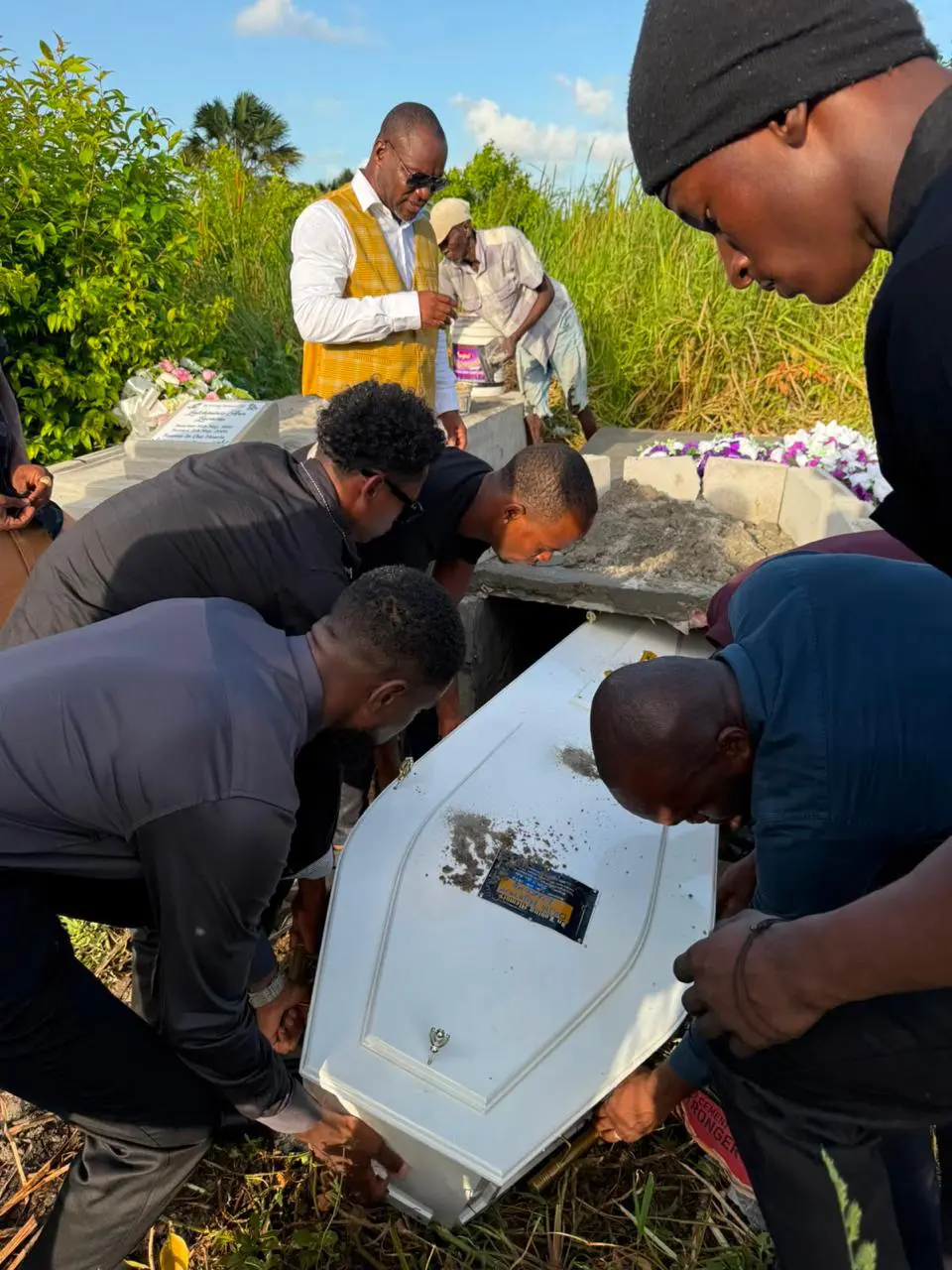
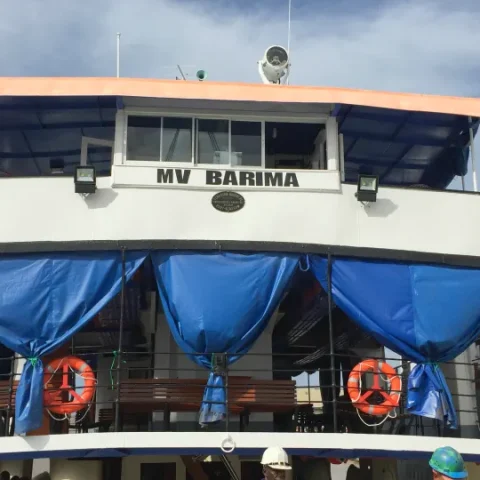
Orin Europe, his two younger sons and scores of other passengers were aboard the MV Barima on July 18, when the passenger and cargo vessel, which had departed Georgetown for Port Kaituma, sank off the coast near the mouth of the Pomeroon River. All three perished and their bodies were recovered.
The disaster claimed the lives of 73 people, while 76 people survived and another 30 remained unaccounted for after the active search and recovery operation ended in August. Five of the recovered bodies remained unidentified at that stage.
The vessel departed the Transport and Harbours Department wharf in Georgetown shortly after 3 p.m. on July 18, bound for Port Kaituma in Region One. A distress call was received shortly after 11 p.m., triggering a major search and rescue operation involving the Guyana Defence Force Coast Guard, other Joint Services agencies, private vessels and other responders.
The number of people believed to have been aboard also became a major issue in the aftermath. Initial information listed 116 passengers and 17 crew members 133 people in total but authorities later said a review of boarding-area footage indicated that as many as 179 people had actually been aboard.
The MV Barima was eventually located under water, with assistance from local fishermen.
As the recovery operation progressed, bodies were retrieved from the wreck and surrounding waters, while families endured days of uncertainty as they waited for information about loved ones.
For Jamal, that uncertainty began before he even knew for certain that his father and brothers were aboard.
He said he was in bed on the night of the tragedy when he got up to use the washroom and checked his phone.
“I saw what was happening,” he said.
But because Orin had already been away for about two weeks and was expected to return, Jamal said he initially chose to ignore what he was seeing and went back to bed.
The following morning, however, a friend asked whether he was alright.
“I was like, what do you mean?” Jamal recalled.
His friend told him that his father was on the boat.
“I was like, you sure?” Jamal said.
His friend then sent him the passenger manifest, where he saw the names of his father and his two younger brothers.
Initial hope
Jamal said his initial hope was that his father’s swimming ability would help him survive.
But remembering that Orwin and Omarius could not swim immediately changed his thinking.
As the hours passed, Jamal said the family was bombarded with conflicting reports about whether his relatives had been found.
“And then you’re hearing some people say, ‘Oh, they just find your two brothers, and they find him.’ So, it was a lot of mix-ups.”
With reports constantly changing, Jamal said he eventually decided that he would only trust information that came through official channels.
“I just told myself that if it’s not an official call from the hotline, I’m not going to believe anything,” he said.
“Just to keep myself a bit stable, I didn’t hold any sort of expectations to disappoint myself, you know. So, I just tried to stay neutral and just await any information.”
Two months after the tragedy, Jamal said his family continues to lean on each other as they cope with Orin’s absence.
“We’ve been leaning on each other throughout the time,” he said.
“We’ve been seeking solace in each other, just checking in, ensuring that everybody’s doing okay.”
Jamal said his mother has also been coping, although there are moments when the grief is visible.
“Sometimes you would just see her, like, you would see her thinking, and she seems like she’s far, but she’s coping alright,” he said.
“Otherwise, just in her quiet time, she would be thinking about it and be a bit sad, but we’re here for her.”
Jamal also said that he has not received a settlement document or been approached with a settlement offer in connection with the tragedy.
“That hasn’t been the case for me,” Jamal said.
Jamal, who is currently stationed in Region One, said he is not in Georgetown, where such matters may be handled.
“So I’m not really in the capital where things like this would be distributed, but I haven’t heard anything about that,” he said.
Jamal also said he was expecting a call from a government ministry or department regarding possible psychological or other support following the tragedy.
“I was supposed to receive a call from, I’m not sure which profession, from which ministry, but they were supposed to speak to me in relation to if I need any support, whether it be psychologically or otherwise,” he said.
“But I haven’t received that call as yet, so I don’t know what exactly to expect, what it’s about, or so.”
He said he has also not heard from any other family member about receiving such an offer.
The Government has previously said that assistance, including financial support, transportation, funeral assistance, temporary accommodation where necessary and psychosocial counselling, was being provided to families affected by the disaster.
At least one family has told Kiskadee Watch that it was presented with a document that would absolve government of responsibility for the incident. It has refused to sign the document.
Meanwhile, the aftermath of the tragedy has moved into a formal investigative phase.
A Commission of Inquiry was established by President Irfaan Ali to examine the circumstances surrounding the capsizing and sinking of the MV Barima, including the sequence of events, the causes of the disaster, possible shortcomings or failures, compliance with maritime safety requirements, the response to the incident and matters of accountability.
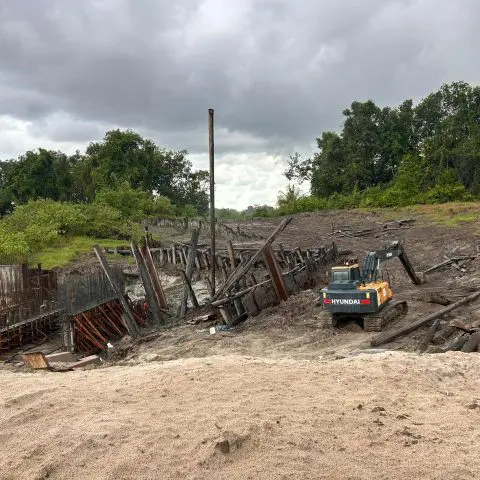
The vessel itself also remains central to the investigation, with the Government moving to secure a specialised contractor to salvage the wreck while preserving evidence that could assist the Commission of Inquiry.
For Jamal and his family, however, the investigation and recovery efforts remain secondary to the personal loss left behind by the July 18 disaster.
As they continue to cope with Orin’s absence, Jamal said the family remains focused on supporting one another and ensuring that everyone is able to get through the aftermath together.







Discussion