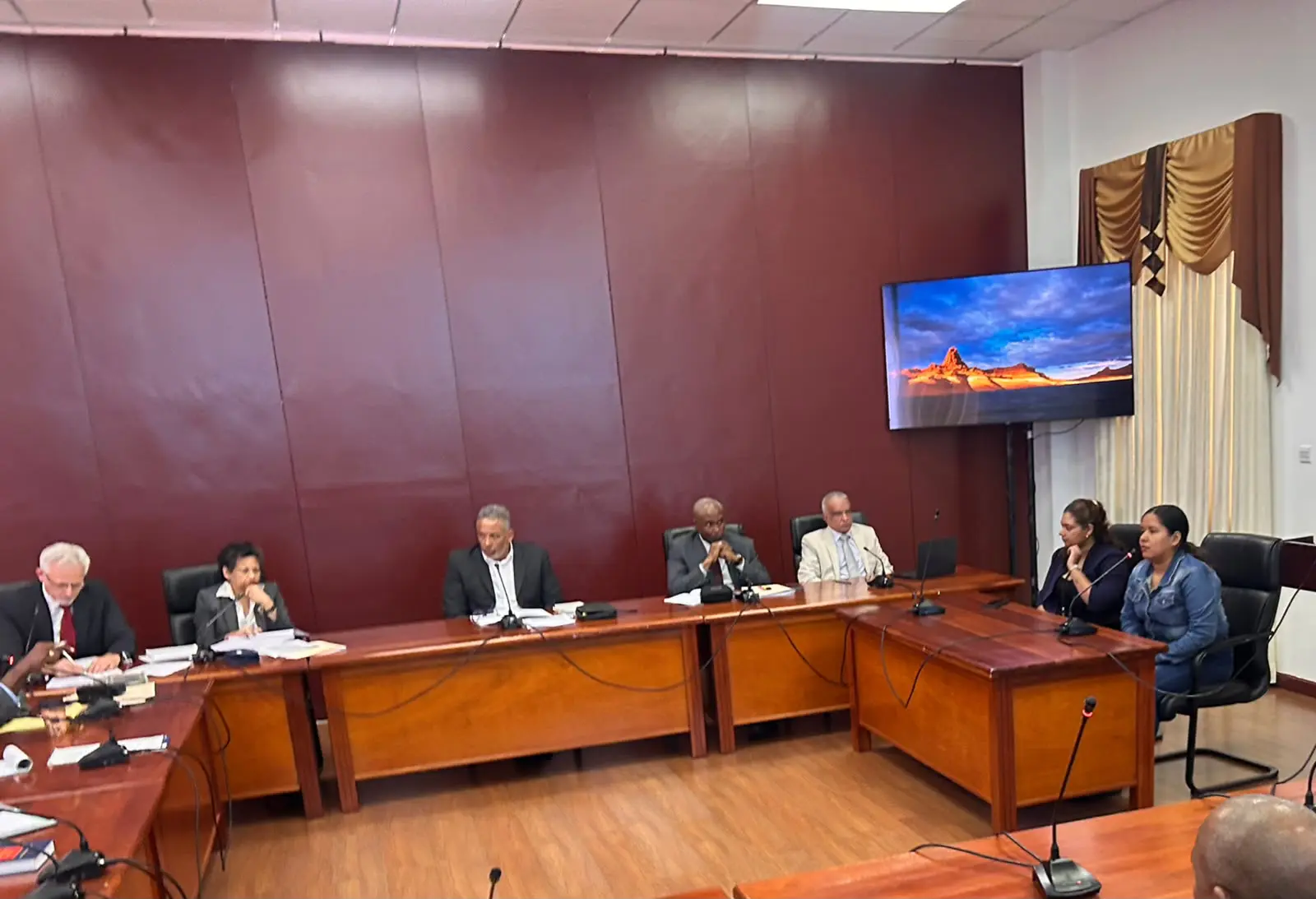
-woman says she held her two children during capsizing but both drowned
A survivor of the July 18 MV Barima tragedy yesterday told the Commission Inquiry (CoI) into the sinking he paid $3,000 on board the vessel for the trip but was never issued a ticket.
Marvin James said he arrived at the Georgetown wharf around midday with his bags. A woman let him board and told him she would give him a ticket later, he recalled. She subsequently collected his fare aboard the ferry, he said. James told commissioners he also saw her collecting money from other people.
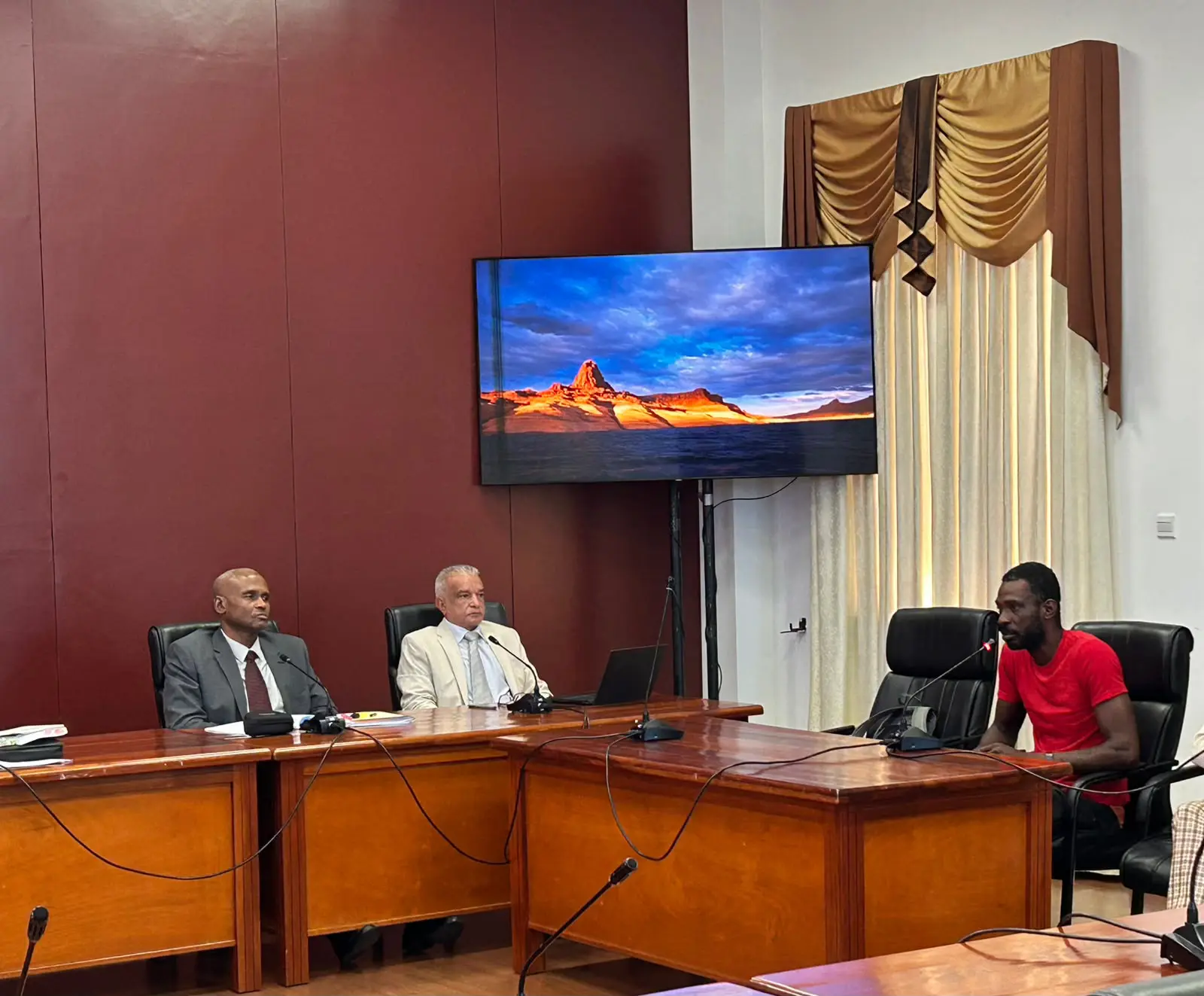
On previous trips, James said, he had bought a ticket for himself and paid separately for goods when required. His testimony raised questions about how fares collected aboard were recorded and whether those passengers were entered on the manifest.
The November 19 sitting at the Arthur Chung Conference Centre also heard from survivors who described water on the lower deck, cargo taking up space in passenger areas and life jackets they could not retrieve as the ferry went over.
Shivanie Wells was travelling to visit her father with her two children. It was her first trip on the MV Barima, though she had previously travelled aboard the MV Kimbia and the MV Ma Lisha. She said the MV Barima moved more than the MV Kimbia and was less comfortable.
Wells told the inquiry that she sat on a bench while her children rested in a hammock lent to her by another passenger. She recalled a crowded ferry carrying bags of onions, buckets and other goods. When she took her daughter downstairs to use the washroom, she said, the water reached her knees. She did not know whether anyone reported it to the crew.
She recalled hearing the engine stop and restart twice. The lights stayed on during both interruptions, she said. When the ferry tilted sharply, she reached for a life jacket in a cage she described as locked. She could grasp part of one of the jackets, which she said were still wrapped in plastic, but could not pull it free.
Wells said she held her children’s hands as the vessel went over. When she surfaced, she was alone. She heard her daughter calling in the darkness but could not reach her. She did not hear her son.
Another passenger helped her stay afloat, and they eventually got into a lifeboat. A fishing vessel later rescued them. Wells was taken to Lima Hospital after reaching Charity. Both children’s bodies were recovered, and she said she had them cremated.
Asked what she wanted from the inquiry, Wells said she wanted justice for her only two children. She told commissioners she had lost their father a year earlier.
Grenville Smith of Whitewater told commissioners he had bought five tickets for his family, but they found only one bench aboard. His wife, Rosa Smith, said the children lay on the bench while the adults took the floor. Grenville recalled that the passageway became so crowded with people lying down that anyone trying to get through risked stepping on someone.
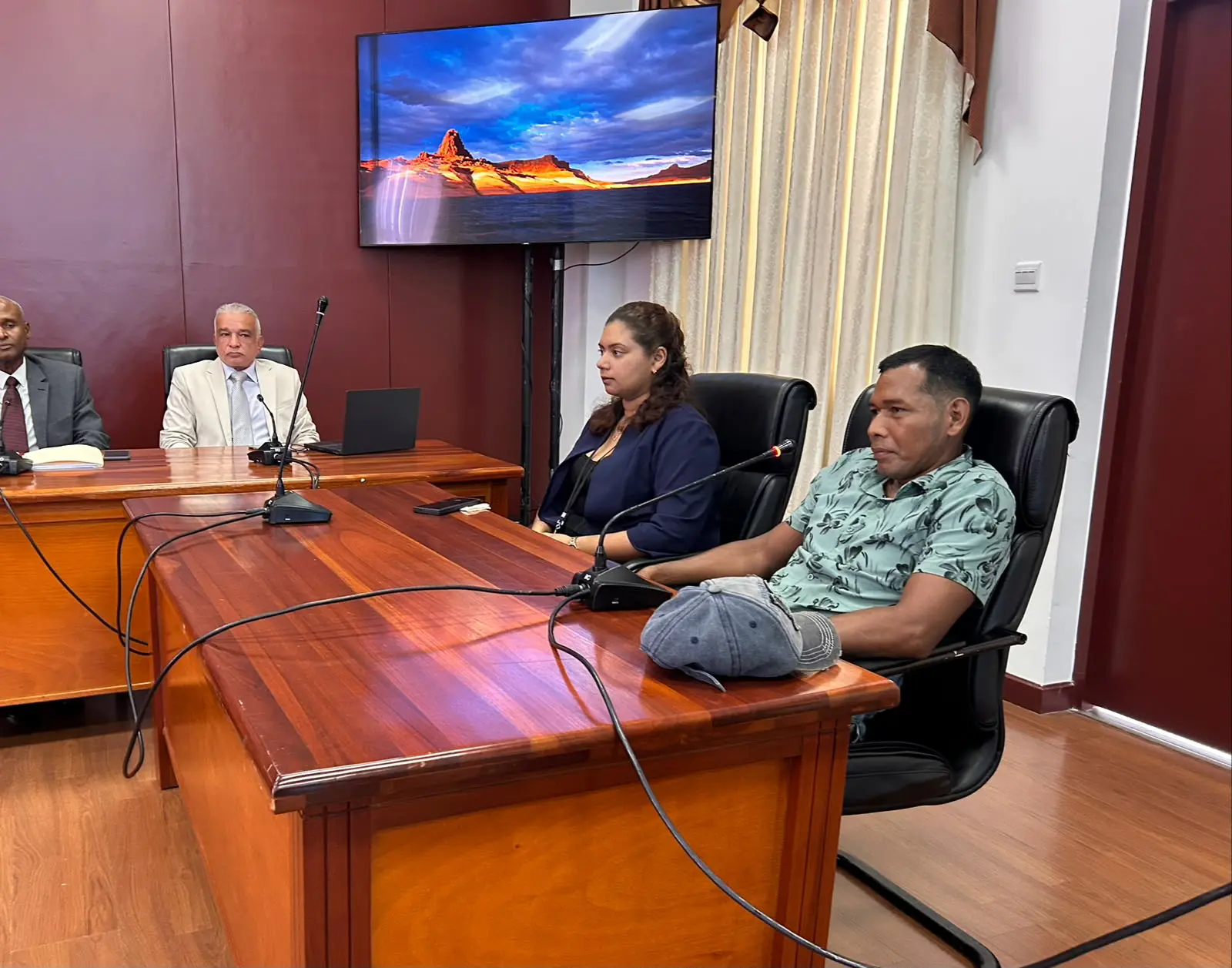
Grenville said he noticed a change in the engine’s sound around 9 p.m. and believed the ferry was travelling on one engine. Around 9:50 p.m., another passenger told him there was water downstairs. He did not see it himself. He said he was considering going down to check when the ferry tilted and failed to right itself.
He could see life jackets stored overhead but said he had not checked whether they were locked away. He found a life jacket in the water after escaping the vessel and said the Coast Guard rescued him around 5 a.m. on July 19.
Rosa said she got up to wake the children after water splashed into the area where they were resting. Before she could wake them, she recalled, another wave hit and the ferry tilted. Unable to swim, she went under three times before grabbing what she believed was the lid of a blue icebox. Seven others were already holding on, she said.
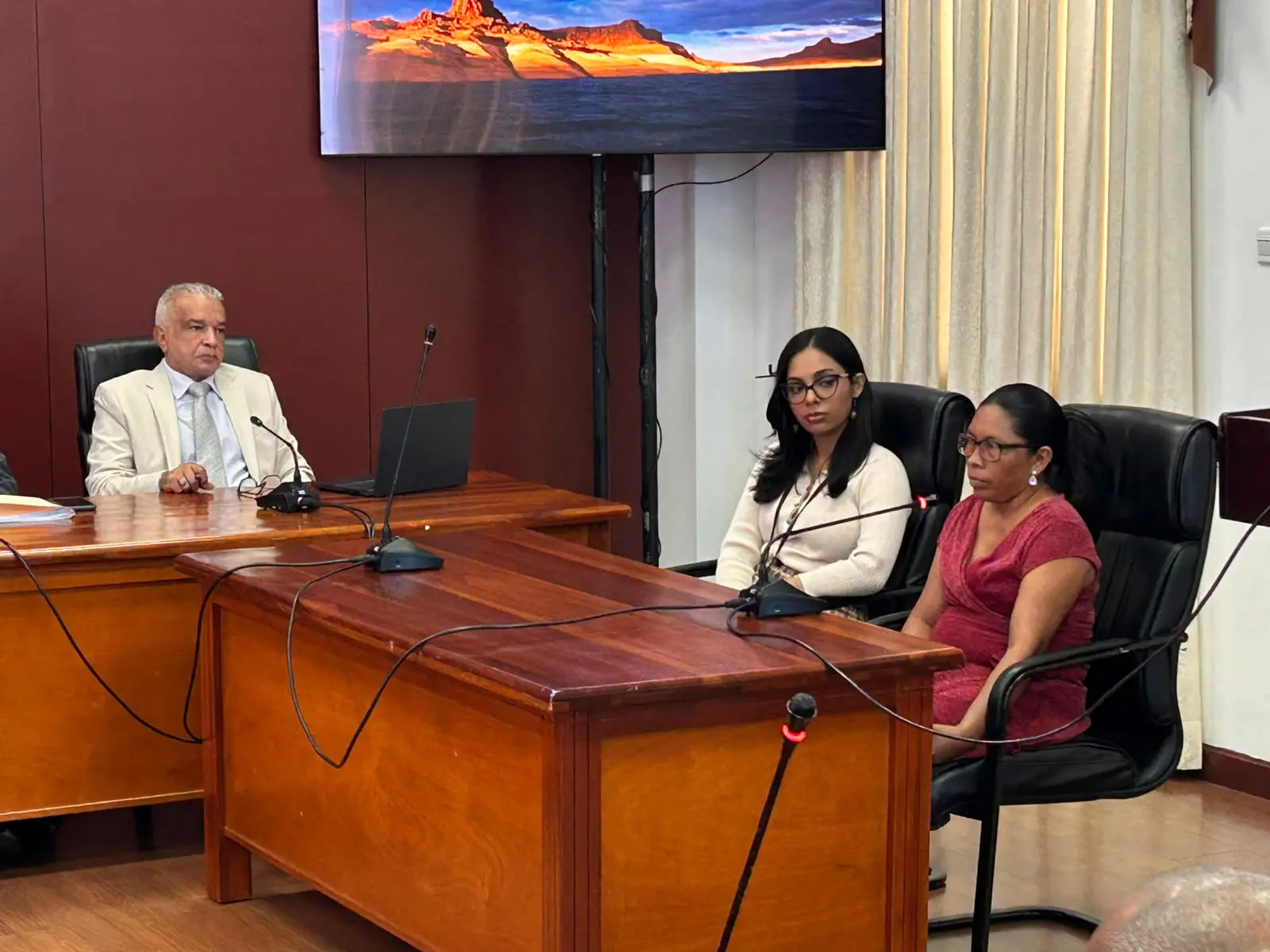
The couple and their son survived. Their 13-year-old daughter and seven-year-old grandson died. Asked what she wanted from the inquiry, Rosa paused before answering: “We need justice.”
Nicholas Craig, who said he had travelled aboard the MV Barima since 2010, told commissioners he overheard workers discussing a generator they were unable to repair. He also recalled seeing water accumulate while he was downstairs. After returning to his hammock, he said, he heard screams and the ferry went dark. His account did not establish whether the generator workers discussed was connected to the loss of lighting he described.
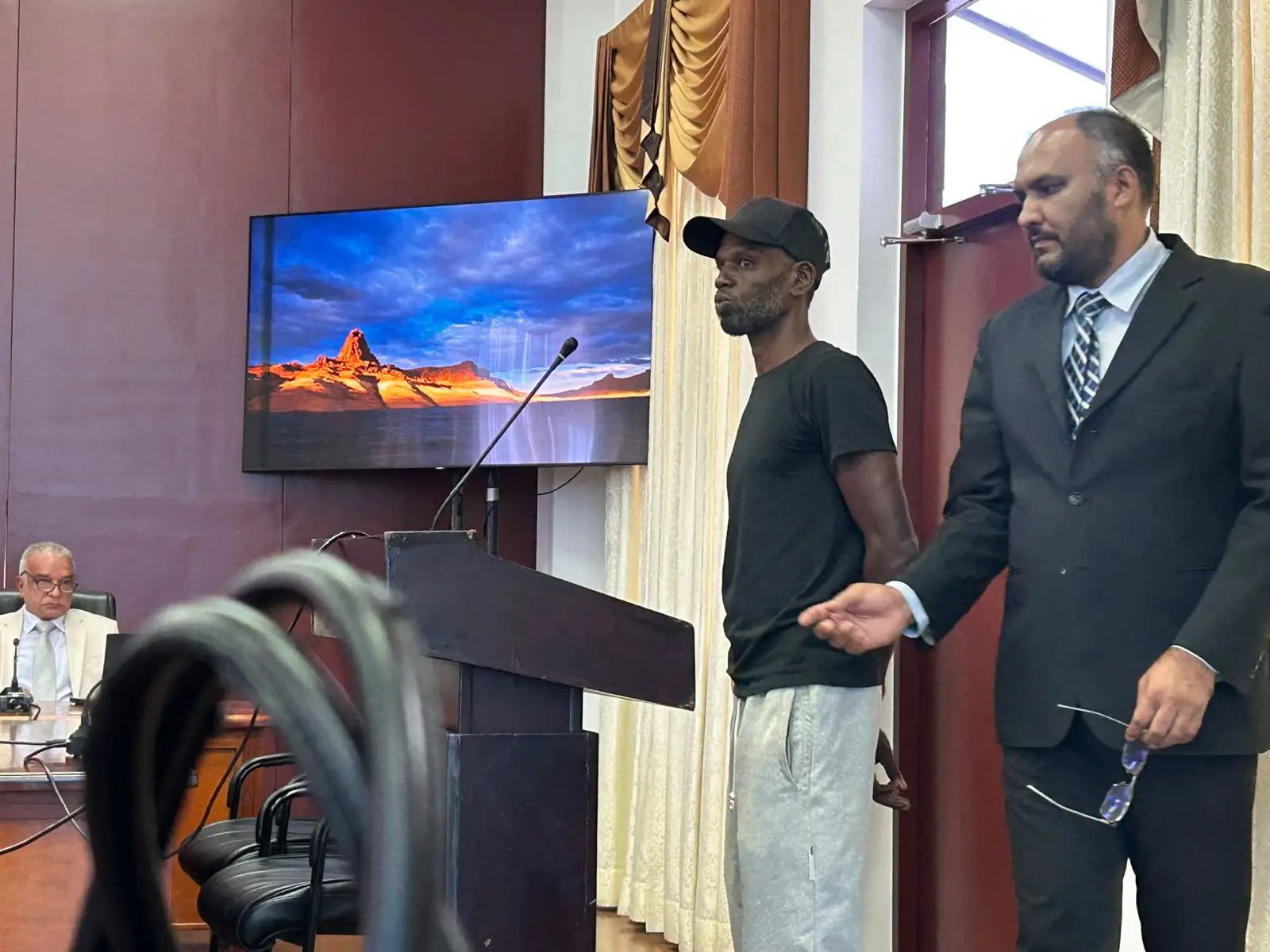
Craig told commissioners he boarded with a broken arm. He said the ferry went down so quickly that he had no time to reach a life jacket. He held on to a gas cylinder and then a cooler until the Coast Guard rescued him around daybreak.










Discussion