A project bringing tour guides and researchers together to document Belize’s coastal islands was presented at the Caribbean Tourism Organization’s State of the Tourism Industry Conference (SOTIC) in Guyana last week.
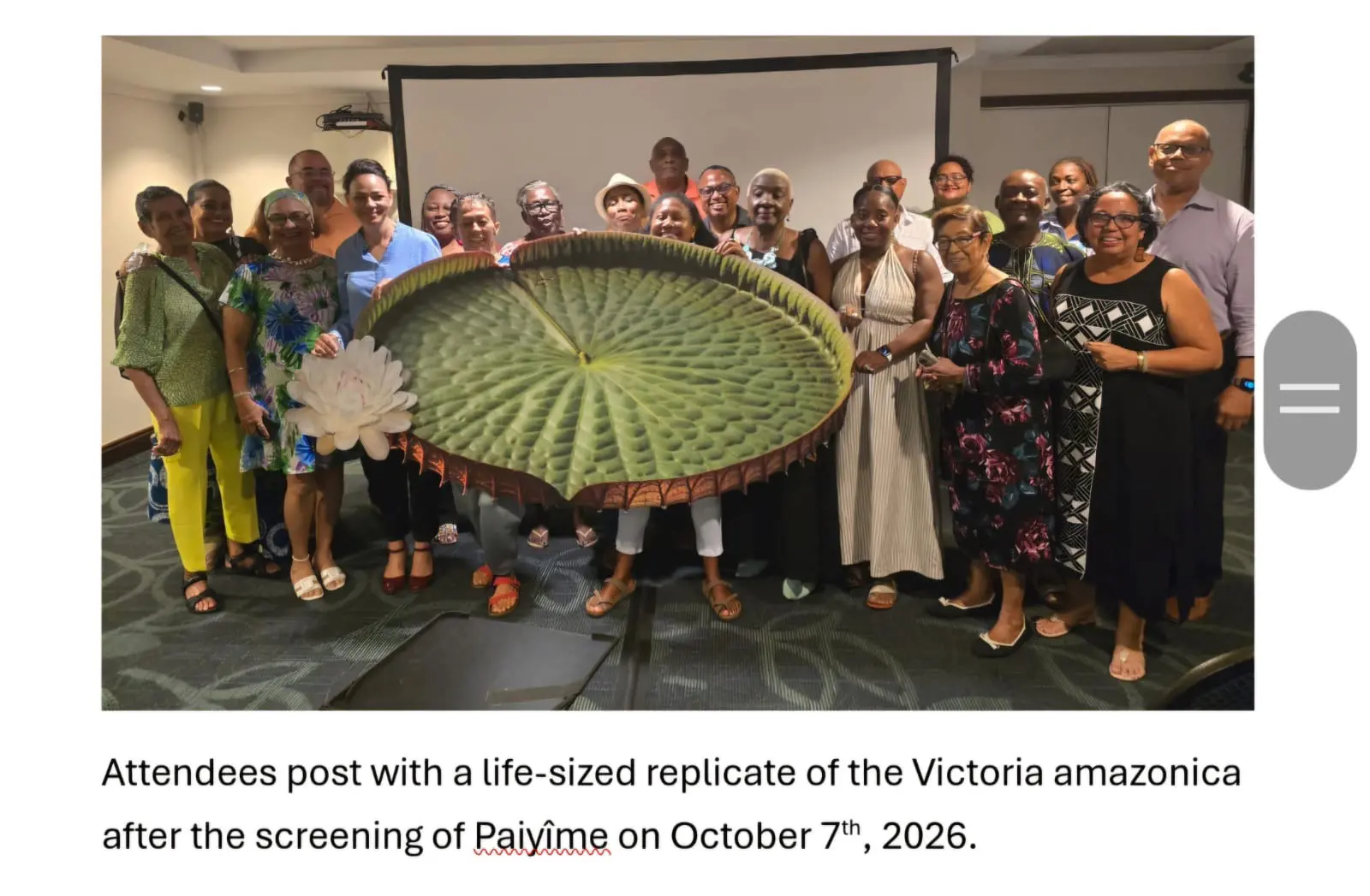
The Strong Coasts project also co-hosted a screening of *Paimîye*, a documentary about Guyana’s national flower, as part of its participation in the October 5–9 conference, according to a release issued on Friday.
On October 6, University of South Florida Professor of Civil and Environmental Engineering Dr Maya Trotz and Placencia Tour Guide Association Secretary Mariko Wallen presented “Caye in a Day: Community-Designed Monitoring of Belize’s Cayes” at the conference’s inaugural Research Forum.
Developed jointly by Strong Coasts and the association, the initiative combines one-day field visits with surveys of coral reefs, marine species, seagrass, mangroves and water depth, as well as the collection of oral histories.
The project seeks to document Belize’s more than 400 cayes while helping guides develop research skills and explore locations unfamiliar to them. It also envisages opportunities for visitors to participate in environmental monitoring and education.
Trotz said tourism could extend beyond sightseeing to involve learning about and helping to manage the places visited.
“We must create opportunities to connect the region’s blue and green economies through scientific discovery, community knowledge, and environmental stewardship. Most important is connecting the people working in these spaces,” she stated.
The 45-minute documentary Paimîye takes its name from the Makushi word for the giant Amazon water lily, Victoria amazonica. It explores the plant’s ecological and cultural significance and the role of storytelling in encouraging nature-based tourism.
Melanie McTurk of Karanambu, one of the film’s storytellers, answered questions from the audience on subjects including education, engineering and connections with the Guyanese diaspora.
Wallen said the documentary deserved a wider audience and suggested that the water lily could itself attract visitors to Guyana.
“The movie last night was just a beautiful story, and I think that story should be shared to the whole of Guyana and the world,” she said. “I think people would come to Guyana just to see the Victoria amazonica, the Paimîye flower.”
During her visit, Wallen, a marine tour guide and divemaster, also travelled to Kaieteur Falls. According to the release, she drew comparisons between Guyana’s forests and Belize’s marine environment, noting their biodiversity and potential for exploration.
She also reported observing evidence of gold mining-related dredging and drew parallels with threats from dredging associated with tourism development in Belize.
University of South Florida anthropology graduate student Nigel Encalada said examining tourism’s contribution to Caribbean economies also provided an opportunity to assess whether cultural and tourism workers were benefiting as governments intended.
Strong Coasts is supported by the US National Science Foundation and works with coastal communities in Belize, Florida and the US Virgin Islands to develop nature-based approaches to strengthening resilience.










Discussion