-survivor says passengers endured ‘hot baking’ conditions on July 18
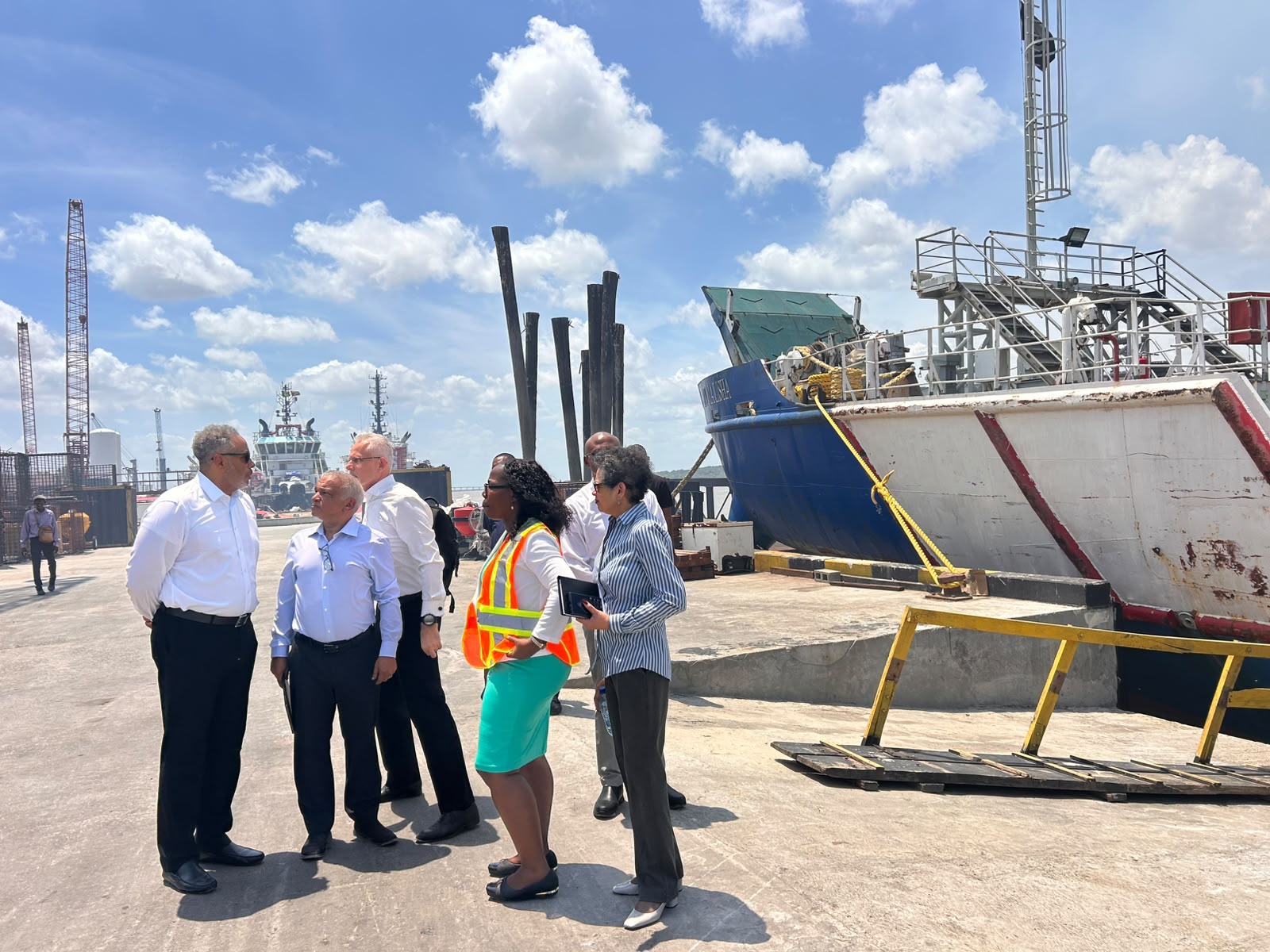
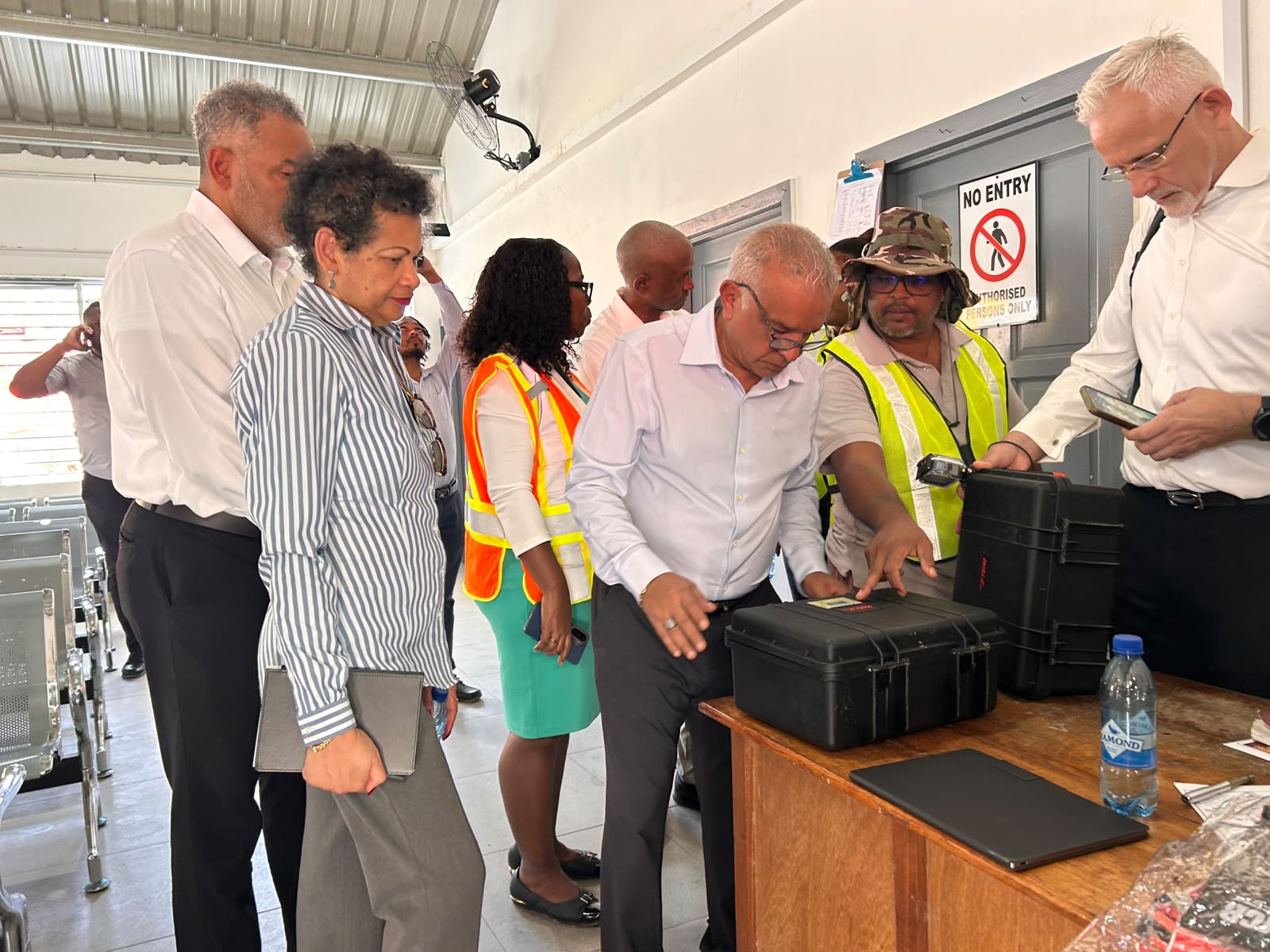
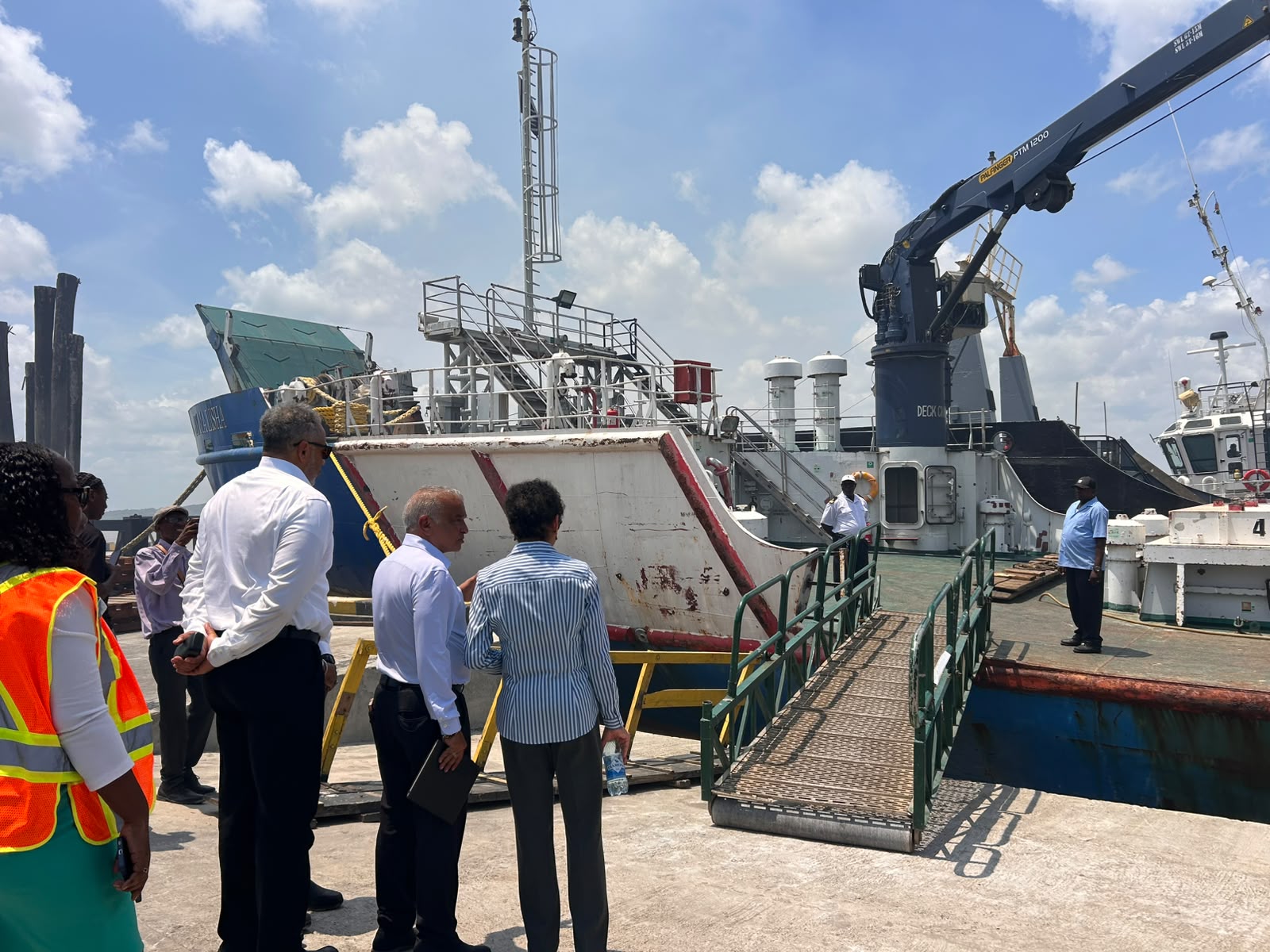
The Commission of Inquiry (CoI) into the sinking of the MV Barima yesterday inspected the Kingston Wharf, where commissioners examined the passenger waiting area, questioned officials about recently installed facilities and inspected the MV MaLisha, several sections of which showed signs of corrosion.
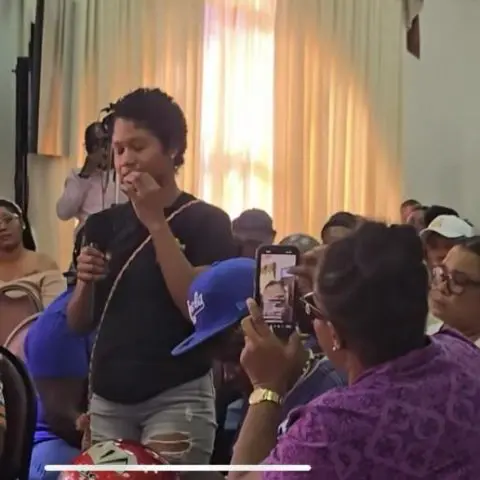
However, survivor Helena Moonsammy has told Kiskadee Watch that the waiting area presented to the commissioners was not the facility passengers used before boarding the ill-fated vessel on July 18, describing the conditions they endured as extremely hot and uncomfortable.
The five-member commission arrived at the Kingston Wharf at approximately 10:30 a.m., later than the scheduled 9:00 a.m. start, and began its inspection at the wharf’s bond, where photographs were taken of the contents inside.
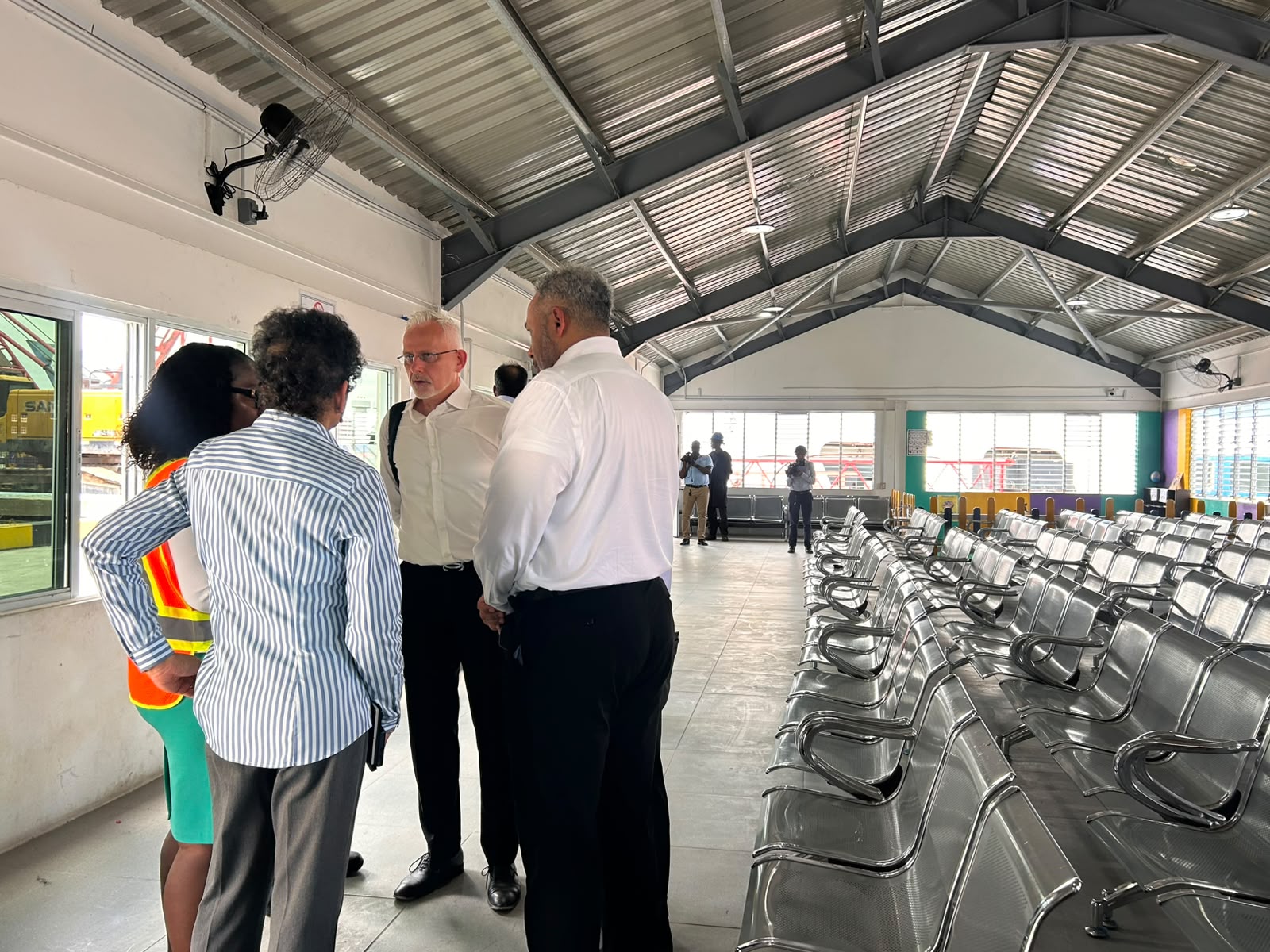
The commissioners subsequently proceeded to the seating area where passengers wait to board boats travelling to various destinations.
During the inspection, they questioned officials about the age of several facilities and pieces of equipment at the wharf.
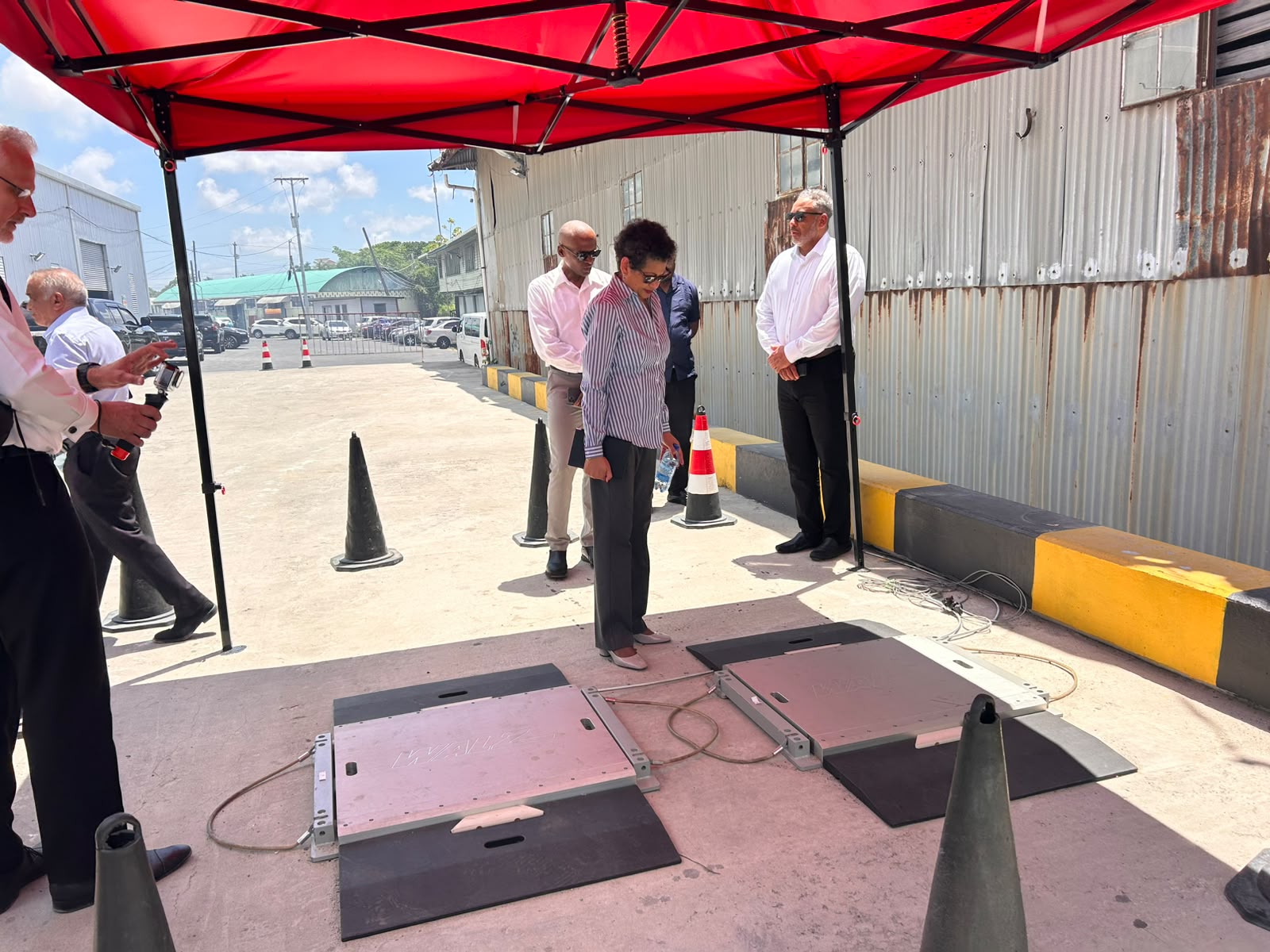
When asked about a scale at the site, an official responded that it was “brand new”. The scale was said to have been installed approximately two months earlier.
Fans and other equipment in the waiting room were reportedly installed about one month earlier, while the road in the area was completed after the July 18 sinking of the MV Barima.
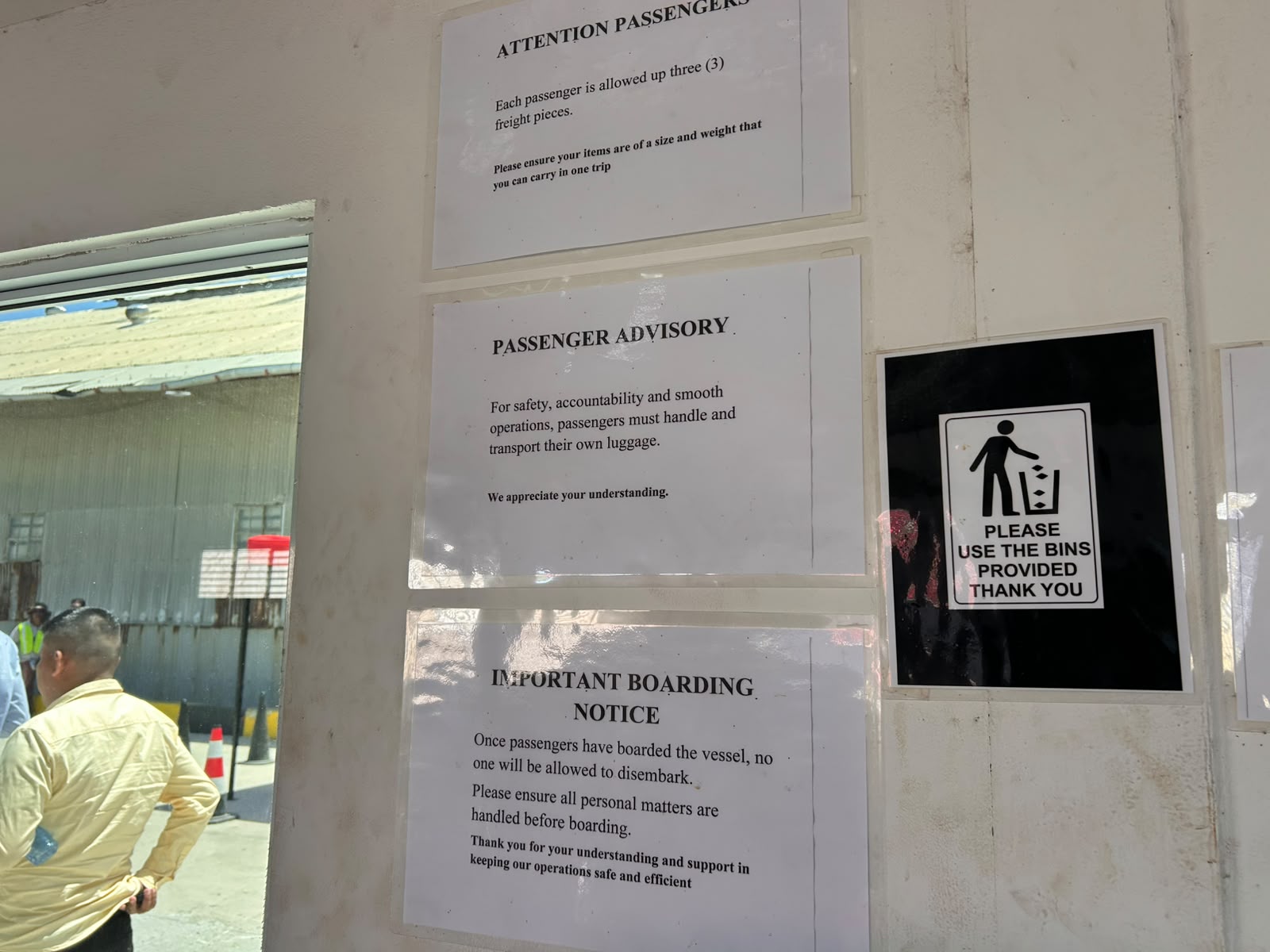
The signage in the waiting area was reportedly installed just two nights before the commissioners’ planned visit.
The inspection formed part of the commission’s ongoing investigation into the circumstances surrounding the sinking of the 87-year-old MV Barima.
Moonsammy told Kiskadee Watch the waiting area presented to the commissioners was different from the facility passengers used before boarding the MV Barima at the time of the disaster.
According to her, passengers had to wait in an older galvanized sheeting-type building located diagonally opposite the newer waiting area inspected by the commission.
The older building had limited seating, consisting mainly of wooden benches, and became so hot that passengers sometimes had to step outside to get some air.
“We used to deh in a place hot baking. We had to come out just to get lil breeze,” Moonsammy recalled.
She questioned why the facilities now being presented to the commissioners were not available before the disaster.
“No, no, no, no, we never used to get that thing. What they doing for the first, they doing last. If this could have been in place before, it would have been good,” she said.
Her account was corroborated by other survivors, who also described the conditions they experienced while waiting to board the vessel.
Uncomfortable
Moonsammy said passengers were also uncomfortable aboard the ferry.
“We use to be uncomfortable on the boat,” she said.
She further maintained that the MV Barima was overloaded, raising concerns about the conditions under which passengers travelled.
“The thing they doing make no sense. That boat was overload,” she said.
Moonsammy also described what she said was the practice used to determine the weight of passengers’ baggage before boarding.
According to her, there was no scale being used to weigh baggage at the time. Instead, workers would estimate the weight of passengers’ bags and calculate the charges accordingly.
She explained that when passengers travelled with multiple bags, workers would estimate their combined weight, with some individual bags carrying between 50 and 60 pounds.
Pawn
Moonsammy also spoke of the difficulties she and her grandchildren have faced since being relocated to a house provided by the government, saying the property still has no electricity despite her paying $19,300 to Guyana Power and Light (GPL) for the installation. She said the connection has yet to be completed, forcing her to pawn her jewellery to find money to send her grandchildren to school.
She described life in the housing scheme as a daily struggle, saying water is delivered only once a week and that, despite applying for a connection more than a month ago, she was still waiting. In the meantime, she said, the family has to carefully monitor the limited water available and use trench water to bathe while enduring the heat.
“Since they bring we in the scheme in here, it is like we deh in hell,” Moonsammy said.
She rejected the perception that receiving a turnkey house meant she was satisfied with her circumstances, explaining that she previously had a home of her own but had to leave because remaining there had become too painful for her and the children who lived with her.
“People might feel I coming in my turnkey house. I am not happy,” she said.
Moonsammy said the challenges had left her feeling alone as she struggled to provide for her grandchildren without a partner or anyone else on whom she could depend.
“So nobody knows what I’m going through. Me nah got a husband, me ain’t got nobody who me can depend on,” she added.Her account raises questions about how baggage weight was assessed before boarding and whether the practices adequately accounted for the vessel’s loading requirements.

Rust
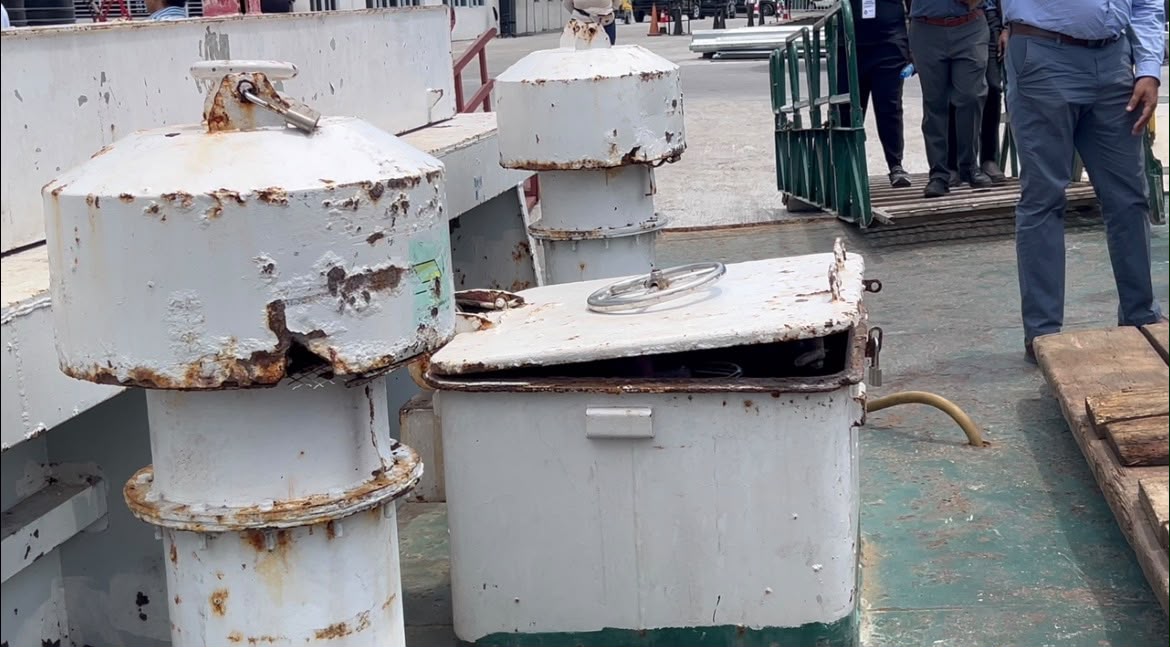
During yesterday’s visit, Commissioner Captain Hamada Fouda was observed inspecting the MV Ma Lisha.
Fouda examined sections of the vessel showing signs of corrosion. At one point, he was seen breaking off a piece of corroded metal before dusting his hands and using his cellphone to photograph the affected area.
He subsequently continued his inspection of the vessel.
Several sections of the MV Ma Lisha appeared to have rust, while what looked like recently installed screws were also visible in one area.
Transport and Harbours head Yolanda Hughes, who was present during the visit, was later questioned by the media about whether statements concerning complaints reportedly made by crew members would be presented to the commissioners.
Hughes declined to comment, responding, “No comment,” before leaving shortly after the inspection concluded.
The commissioners also declined to comment to the media during the visit.
Yesterday’s inspection followed a meeting on Wednesday between the commissioners and relatives of victims and survivors at the Arthur Chung Conference Centre, where concerns about the delay in raising the MV Barima featured prominently.
Royston Frank, whose son Rawle Frank was a crew member who died in the disaster, urged the commission not to rush its investigation without ensuring that the vessel was recovered and the necessary evidence preserved.
Frank questioned when the salvage contract had been awarded, which company had been selected and whether the contractor had the necessary experience to raise the vessel.
During the meeting, Commissioner Dr Andrzej Jasionowski disclosed that BK International had been selected to undertake the salvage operation. He said preparations were under way and could take another week or two, explaining that careful planning was necessary to avoid damaging the vessel or altering potential evidence.
Jasmin Cort, whose father Neil Cort and uncle Kenrick Cort remain unaccounted for, also questioned whether the inquiry would examine the delay in salvaging the vessel and whether it could affect efforts to recover missing persons or preserve evidence.
Chairman Justice Godfrey Phillip Smith explained that raising the vessel itself was outside the commission’s powers and terms of reference.
However, the commissioners said their investigation would extend beyond the final hours of the MV Barima’s voyage to examine the wider circumstances surrounding the disaster.
Jasionowski also disclosed that requests for documents had been sent to institutions including the Demerara Harbour Bridge and the Maritime Administration Department (MARAD), with the commission seeking information about vessels operating throughout Guyana.
The MV Barima sank on July 18 while travelling from Georgetown to Port Kaituma. According to figures provided in the background material, 73 people died, 76 survived and approximately 30 people remained unaccounted for.
The commission is scheduled to continue its engagements in Region One, meeting with families at the Kumaka Waterfront on October 12 and the Port Kaituma Waterfront on October 13.






Discussion