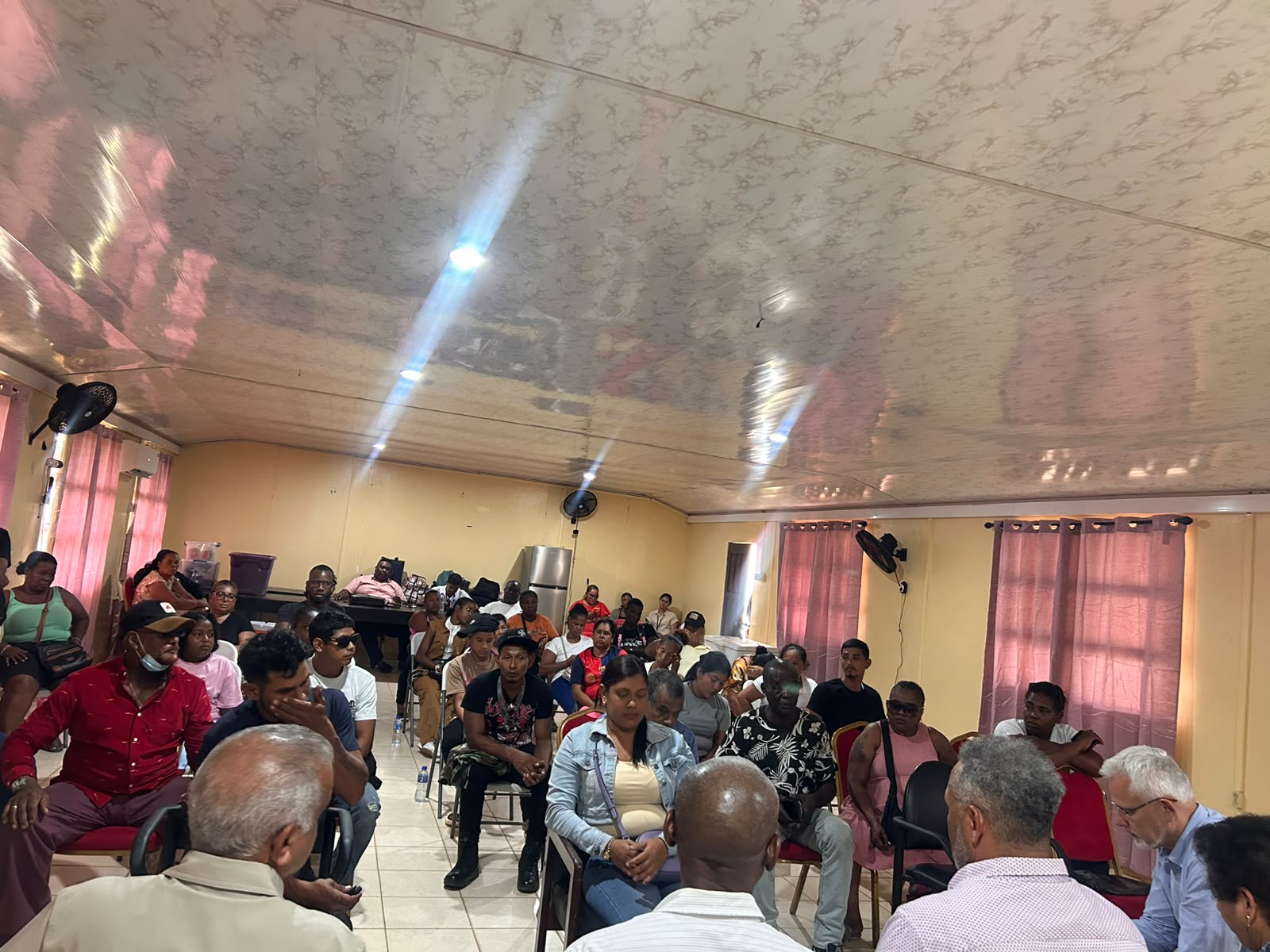
Relatives of victims of the MV Barima disaster yesterday questioned BK International’s experience in raising sunken vessels and called for a firm recovery date, saying the wreck could hold crucial evidence and the remains of loved ones still missing.
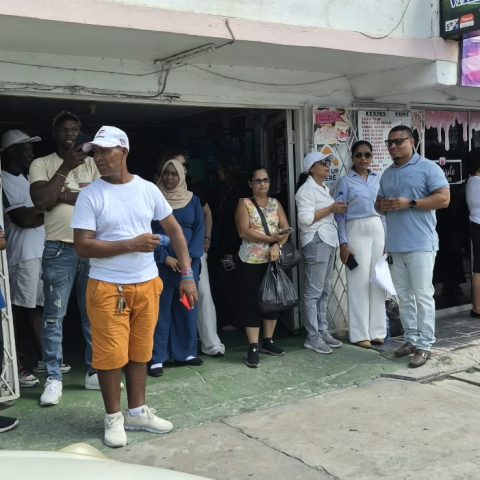
At a Commission of Inquiry (CoI) meeting in Port Kaituma, survivors and relatives also recounted concerns about the vessel’s condition, passenger and cargo loading, safety equipment and the initial search-and-rescue response.
Some said they wanted BK to proceed with the recovery but questioned whether it had the necessary expertise. They urged that the operation not be subjected to further months of delay.
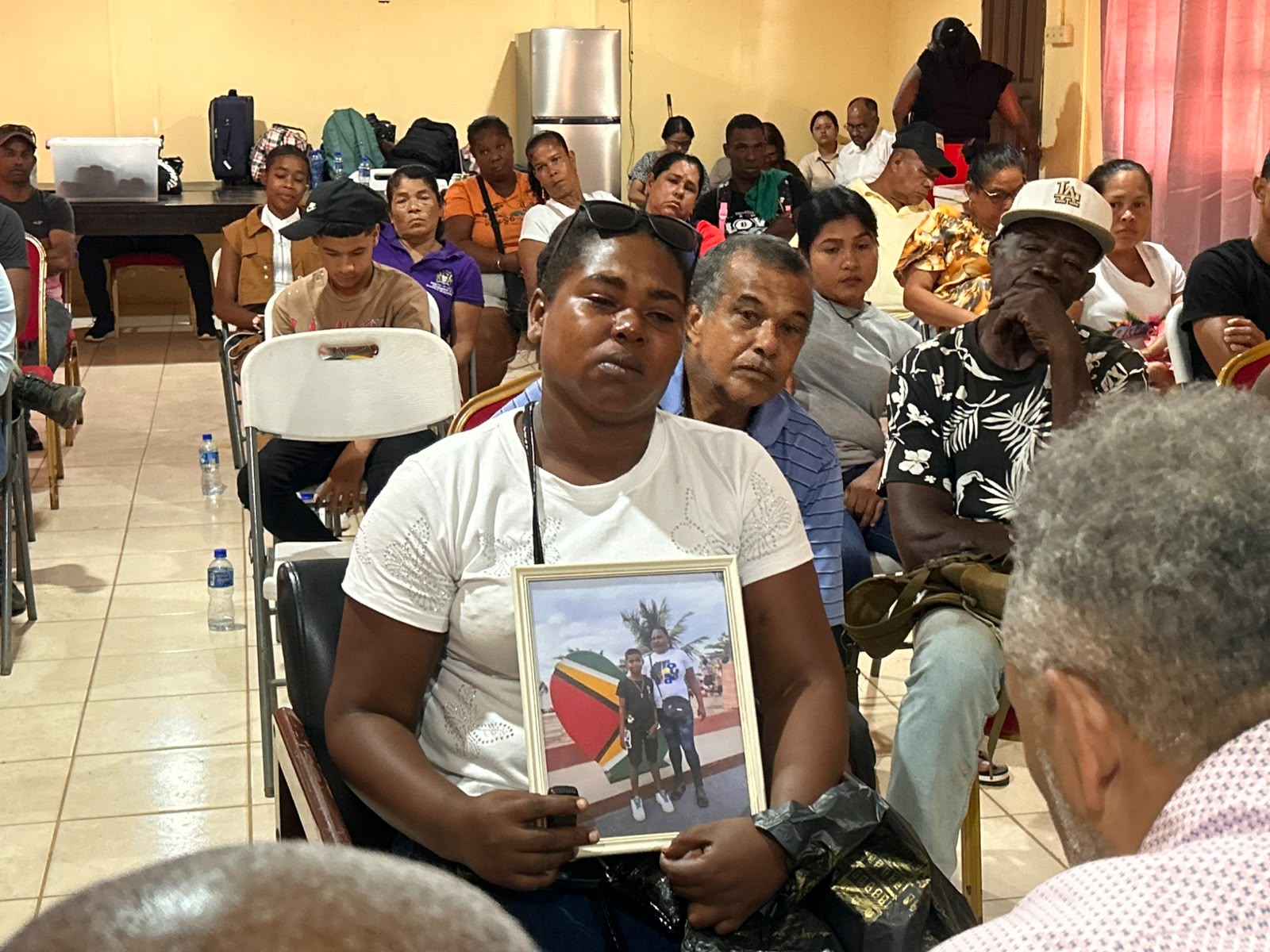
The company was referred to as BK Quarry during the meeting. Kiskadee Watch previously reported that BK International had been selected to salvage the vessel and that Opposition Leader Azruddin Mohamed had questioned its experience and the selection process at an October 7 meeting with the commission.
Kevon Thomas, whose brothers Kyle and Brian Thomas were aboard the vessel, said families could not continue waiting for the wreck to be raised. Kyle’s body was recovered, but Brian remains missing.
Thomas called for a definite date and said the recovery should not be pushed back for another six months. Investigators needed to examine the vessel to help establish what happened, he said, while relatives needed the opportunity to recover and bury those still missing.
Thomas, who said he had travelled on the Barima more than 10 times, raised concerns about cargo loading and the space available for passengers. He also urged investigators to interview three men he identified who are currently in jail and examine the availability of life jackets and the safety of transport serving Region One.
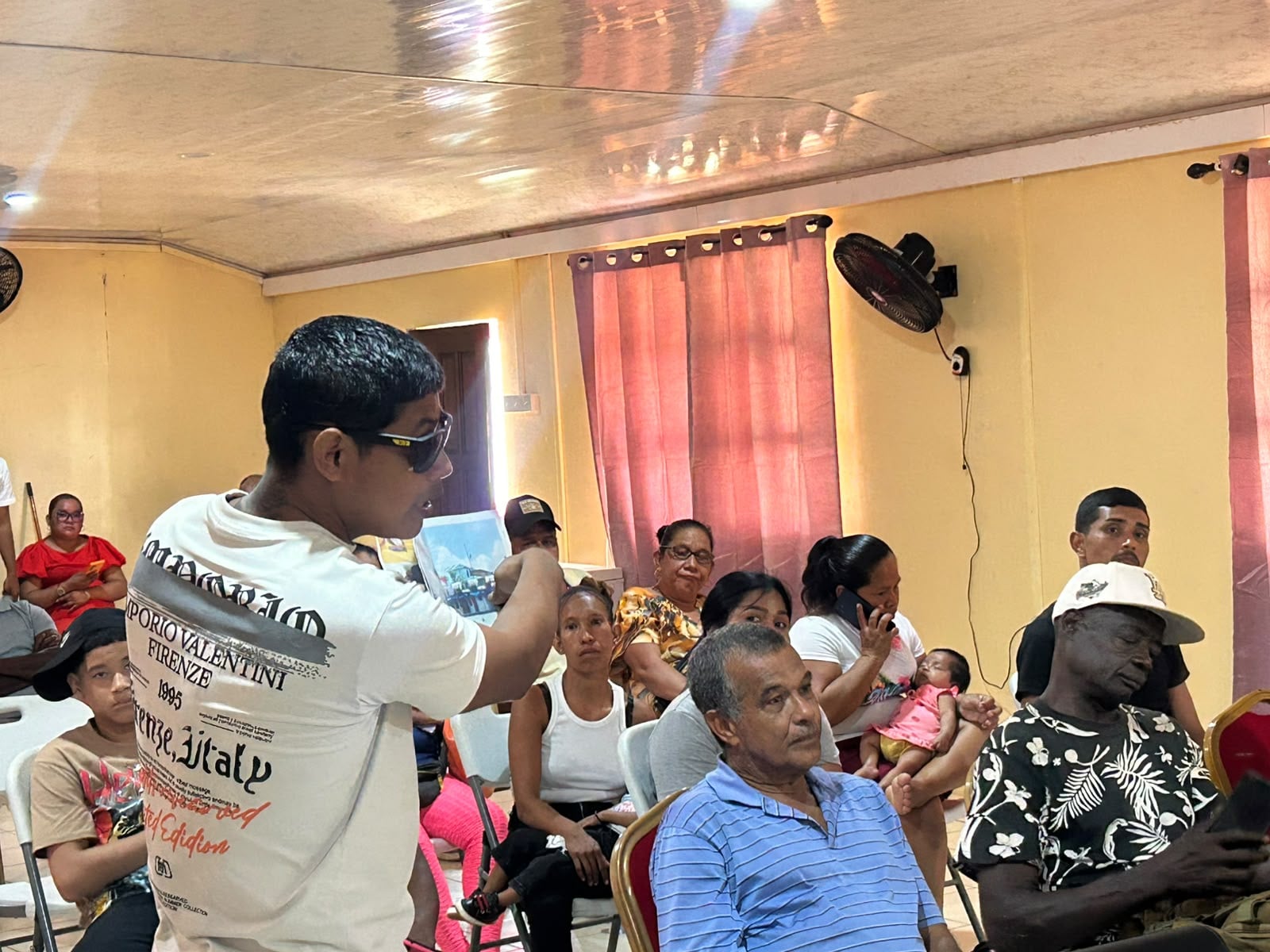
Another relative, who also identified Kyle and Brian as his brothers and said his mother survived the sinking, described previous mechanical problems, including an alleged fire.
He presented photographs which he said showed the vessel on fire while in port, including around the engine room, and questioned whether reports of earlier problems had prompted sufficient action.
The accounts come against the backdrop of previously documented defects. Kiskadee Watch reported that maintenance records from November 2025 to March 2026 listed mechanical and electrical problems aboard the Barima, including an out-of-service generator, leaking engine exhaust and overheating machinery, with several matters marked for urgent attention.
Overcrowded
Survivor Bernard Young, who said he had experience with boats and engines, described the vessel as overcrowded on its final journey, with passengers sleeping between cargo.
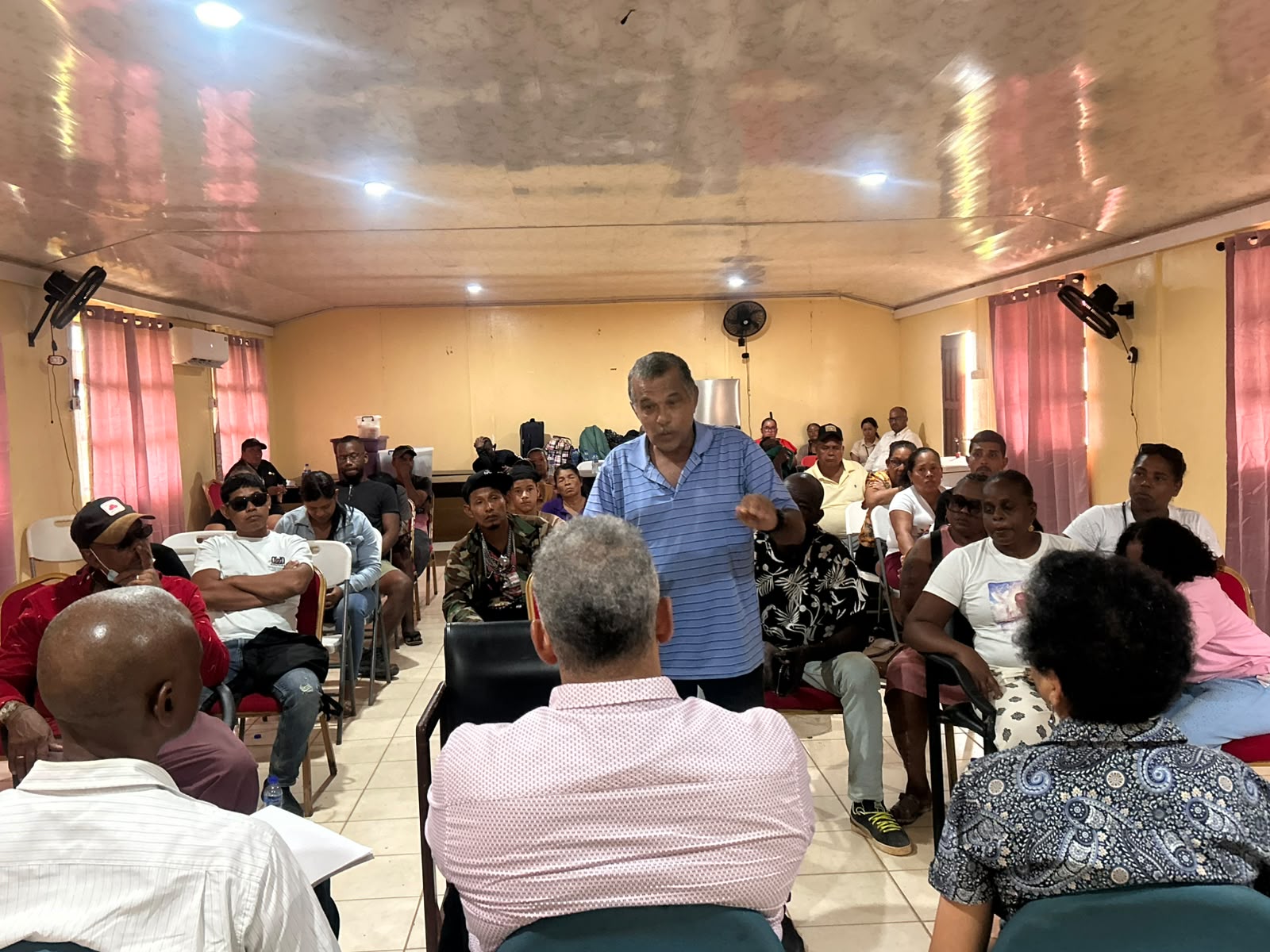
He said one engine stopped, restarted and then cut out again without restarting. Young questioned why the vessel continued in rough Atlantic conditions, recalling waves washing over the deck.
According to his account, a larger wave struck the vessel, which tilted to the left as cargo shifted in that direction before it sank. He described escaping from a hammock and finding himself in the water, where he grabbed a plank which helped him survive.
Tiffany Beharry, who lost her mother and 10-year-old son, criticised what she considered an inadequate early response to the search.
She said she began seeking information at approximately 3 am but was not initially taken out by the authorities and their vessels. She subsequently joined private boat operators, leaving Charity at about 8.30 am and returning between 5.30 pm and 6 pm after searching around Shell Beach and nearby islands.
Beharry said she also helped recover bodies and questioned why private operators appeared to be undertaking such an extensive part of the search while families waited desperately for information.
She recalled being told by divers that attempts to lift the wreck had failed after ropes broke and underwater visibility proved difficult.
Beharry said recovery was necessary to establish whether the vessel had a hole, whether cement was aboard and what caused it to sink. She also called for scrutiny of the decisions governing the loading of passengers and cargo.
Survivor Benita George, who said she had travelled on the Barima three times, recalled less space on the final voyage than on her previous journeys.
Goods, including potatoes and onions, were aboard, while bags, children and other passengers occupied the available space. George said she was asleep when the incident occurred and recalled waking in the water.
Trader Sherry Adams, who left the vessel before its departure, described finding it packed with passengers, children, mattresses and cargo.
Adams said she loaded goods on Thursday, July 16, and Friday, July 17, ahead of the scheduled 3 am departure on Saturday. When she returned to collect her bags, she could find neither a seat nor free floor space.
She estimated that more than 200 persons were aboard, although that figure was her own assessment. She also raised concerns about access to toilets, hygiene and life jackets, some of which she said were positioned above passengers’ heads.
Adams said chickens, large engines and a generator were among the cargo and that the vessel appeared to sit low in the water.
She further alleged that she heard the captain ask a man identified as Mr Clark to remove items, but that loading continued after the captain received a telephone call.
Unable to find space, Adams left and arranged to travel by air, losing the goods she had intended to transport.
Andyar Deally, whose son Andriel Bautista died in the July 18 MV Barima sinking, said passengers were kept waiting as cargo continued to be loaded before the vessel departed for Port Kaituma.
Passengers were initially told it would leave at 1 pm, she said, but departure was delayed. From a window, she recalled seeing the vessel leave and return three times while loading continued.
When she boarded, benches were occupied by cargo, including bags of onions and potatoes, leaving little room for passengers. More goods were loaded after passengers boarded, she said.
Deally said she became concerned when she noticed the vessel leaning to one side. During the journey, her son alerted her to water in its lower section and recorded a video. When passengers questioned crew members, she said, they were told the water was normal because they were travelling at sea.
The Barima sank off the Essequibo Coast on July 18 while travelling from Georgetown to Port Kaituma. Seventy-three persons were confirmed dead, while others remained unaccounted for.
Yesterday’s meeting formed part of the commission’s preliminary visits and discussions with affected communities. Formal evidence-taking is scheduled to begin at the Arthur Chung Conference Centre in Georgetown today. The commission’s secretary had previously explained that the community meetings preceding that sitting would not constitute formal evidence-taking.







Discussion