
The Amerindian Peoples Association (APA) has acknowledged concerns over the government’s handling of the Commission of Inquiry (COI) into the MV Barima tragedy, warning that the delay in commencing the inquiry could affect witnesses and undermine the investigation.
Speaking with Kiskadee Watch yesterday, APA Executive Director Jean La Rose said the organisation is also concerned that relevant stakeholders were not adequately consulted on the establishment and composition of the COI. “We don’t want a replication of Mahdia,” La Rose said, referring to concerns about how affected persons were engaged during previous processes.
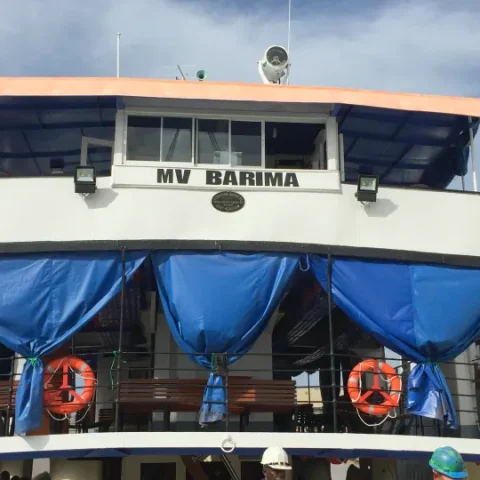
The MV Barima capsized off Guyana’s coast last month while travelling from Georgetown to Port Kaituma, resulting in dozens of deaths and leaving 76 people rescued.
President Irfaan Ali had announced that a COI would be established, with the inquiry expected to begin in September. However, La Rose said the government has not provided enough clarity on when the process will actually commence. “Even if it’s September 1, it’s a bit of a stretch of time,” La Rose said. “But if it’s later in September, it’s really a long time after.”
The APA Executive Director said the passage of time is particularly concerning because the COI will need to hear from survivors, families of victims and other persons affected by the tragedy, many of whom are from Region One. “We have people who have been affected from different parts of Guyana, but primarily the Region One area,” she pointed out.
La Rose questioned how the COI will reach those persons, explain its mandate to them and ensure they can participate meaningfully in the process. Among the APA’s concerns are the possibility of witnesses being compromised or intimidated before they are able to give evidence.
“Like compromising of witnesses and all that kind of stuff. Intimidation, all of that, those things are what we would be concerned about,” she said.
The organisation is also calling for affected persons to receive independent assistance in understanding the inquiry and the questions they may face. La Rose believes that such assistance should not come from the government but from an independent source, including help with interpreting questions where necessary.
She explained that the concern is not simply about language barriers but also whether people understand the manner in which questions and information are presented to them. “What we have learned as well is that even in the counselling, some people don’t understand the language that’s being used to them. And I don’t mean English, I mean the way it’s being put over to them,” she said.
According to La Rose, the conduct of the COI will therefore be critical to ensuring that affected persons can participate without being disadvantaged. “The conduct of the COI, how it is carried out will be important. It’s too much unknown for us right now,” she said.
The APA is also questioning the government’s lack of transparency over other aspects of the response to the tragedy, including the salvage of the sunken vessel. La Rose said the organisation does not know which companies have expressed interest in salvaging the MV Barima, despite bids reportedly being expected. “We don’t know so many things. And like I said, it’s the government deciding and doing their own thing. And leaving us as citizens to guess what comes next,” she said.
The APA has previously called for accountability from government officials over the tragedy, including calls for responsible ministers to step down. “The COI would include more than just survivors, it should include others who have responsibility and all of that,” she said, adding, “And that is why we have been calling for the ministers to step down because they are responsible, they are accountable.”









Discussion