
Air Services Limited (ASL) says it has added seven aircraft to its fleet over the past two years and plans to build a facility to serve business jets as it expands its operations.
In a statement yesterday, the company described the aircraft purchases as a multimillion-dollar investment intended to increase passenger capacity and improve the reliability of flights across Guyana. It said it had increased its daily flight schedules by up to 30%, but did not provide figures showing the number of flights before and after the increase.
ASL also announced plans for a fixed-base operator facility that would provide passenger handling, VIP lounges, refuelling, flight dispatch, ground handling and maintenance services for corporate aircraft. The company described it as Guyana’s first such facility, although it did not say where it would be built, what it would cost or when construction would begin.
The company said the expansion could create 150 jobs, adding to its workforce of more than 300. It is also sponsoring Guyanese pilots and mechanics for flight and technical training, according to the statement.
ASL said it was expanding its helicopter operations to provide charter, utility and logistical support for industrial and offshore projects. It also plans to upgrade its agricultural aircraft fleet and is considering regional charter services in the coming years.
Accountable Manager Captain Tarick Ramnarace said the investments reflected the company’s confidence in Guyana’s economic prospects and the government’s development plans.
“We strongly believe in the Government’s vision for the economic transformation of Guyana, and ASL is fully committed to playing an active role in driving that momentum,” he said. “Our heavy investments demonstrate our complete confidence in the local economy and the administration’s policies.”
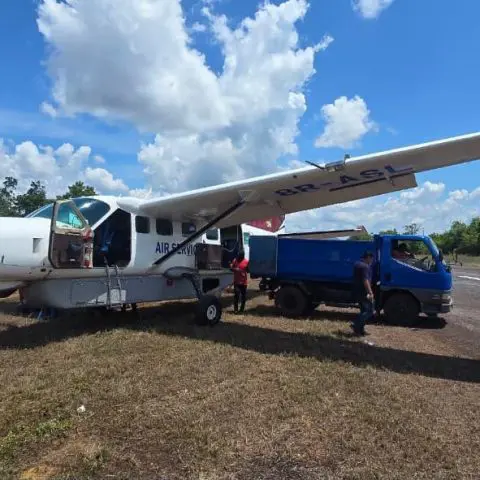
The company said it continues to transport passengers, food and other supplies to hinterland and Indigenous communities, while carrying out medical evacuations from remote areas. Ramnarace said ASL intended to build on its more than five decades of domestic operations as it prepared for regional charters.











Discussion