
Kwakwani’s electricity demand has surged beyond one megawatt, prompting plans to add additional generation capacity as the Guyana Power and Light (GPL) and other utility stakeholders grapple with increased demand amid the country’s intense heat.
The issue was raised by Linden Vice-Chairman Mark Goring during a discussion on electricity supply and generation capacity in Linden, Kwakwani and surrounding communities.
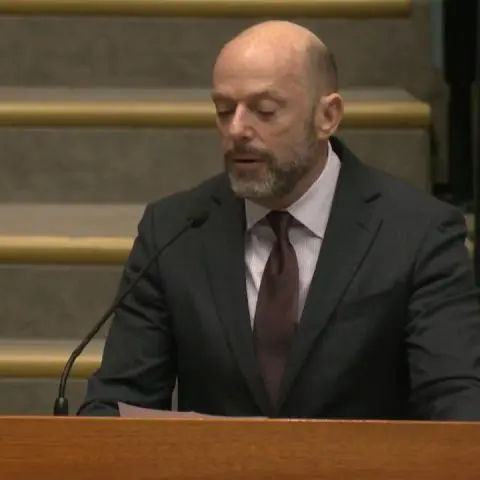
Responding to questions about the capacity available to meet the increased demand, a representative from the Ministry of Public Utilities said Kwakwani’s peak demand, which previously stood at around 800 kilowatts, had recently surpassed one megawatt.
“Over the weekend, it went over one megawatt,” the representative said, attributing the spike primarily to the prevailing heat.
According to the official, there has been no significant new commercial development in Kwakwani in recent weeks that would otherwise explain the increase in electricity consumption.
Despite the spike, the official said the Kwakwani system is currently capable of meeting the higher demand.
However, additional generating capacity is already being pursued, with a 1.1-megawatt generating set expected to be added to the Kwakwani fleet.
The procurement process for the additional unit began earlier this year, around April, as the utility seeks to keep pace with growing electricity demand across the country.
The official said the increase is not confined to Linden and Kwakwani, with noticeable spikes also being recorded in Lethem, Georgetown and other parts of Guyana.
“We’ve seen a spike all around, Lethem, Georgetown, all over the country we’ve seen a sudden spike in demand and we have to attribute it to the heat,” the representative said.
The rising demand is also placing greater focus on the cost of operating isolated diesel-powered electricity systems.
The official explained that fuel is transported from Georgetown to Kwakwani and represents a significant portion of the cost of operating diesel-dependent utility systems, accounting for more than 60 per cent of operating costs where diesel fuel is used.
Against this backdrop, the utility is pursuing hybrid generation systems that combine diesel generation with solar power.
Solar farms have already been introduced in areas including Lethem and Mabaruma, while Kwakwani and Port Kaituma are among the communities being targeted for solar projects over the next two years.
The shift towards solar is intended to reduce the reliance on fossil fuel and lower the cost associated with transporting and consuming diesel in remote communities.
On the timeline for a larger solar farm project, however, the official said a specific completion date could not yet be provided, as construction is being managed by a dedicated Project Implementation Unit.
The official said approximately four megawatts of that solar farm is expected to be commissioned by the end of 2026.
The discussion comes against the backdrop of growing concerns over electricity reliability in the Linden area, where residents have recently faced outages while demand continues to rise.
The utility’s response is therefore being framed around both immediate and longer-term measures — including the planned 1.1-megawatt generating unit for Kwakwani and the expansion of solar generation to reduce the region’s dependence on diesel.
The official also pointed to the wider expansion of the electricity network, noting that the system has grown considerably over recent years, from nine networks serving approximately 11,300 customers in 2020 to about 40 networks serving approximately 13,800 customers in 2025.












Discussion