The salvaging of the MV Barima continues to be shrouded in secrecy ever since the $1.034 billion contract was awarded to BK International, with relatives of victims, survivors and other interested parties left without clear information about when the operation began, how it is being conducted and what progress has been made so far.
Despite months of demands from grieving families for the vessel to be recovered, the commencement of the operation was not publicly announced, and relatives only became aware that work was under way following the death of a Venezuelan diver at the wreck site on October 28.
The lack of disclosure has raised questions in all quarters about transparency, safety and the preservation of evidence, particularly given that the vessel is central to the ongoing Commission of Inquiry (CoI) into the July 18 tragedy, which claimed 73 lives with dozens of others still missing.
BK International was awarded the contract on October 6 under a “no cure, no pay” arrangement to salvage the wreck off Devonshire Castle Flats, Essequibo Coast. However, the published procurement award did not specify a mobilisation or recovery deadline, the approved salvage method, detailed contractual conditions or the criteria for determining successful completion.
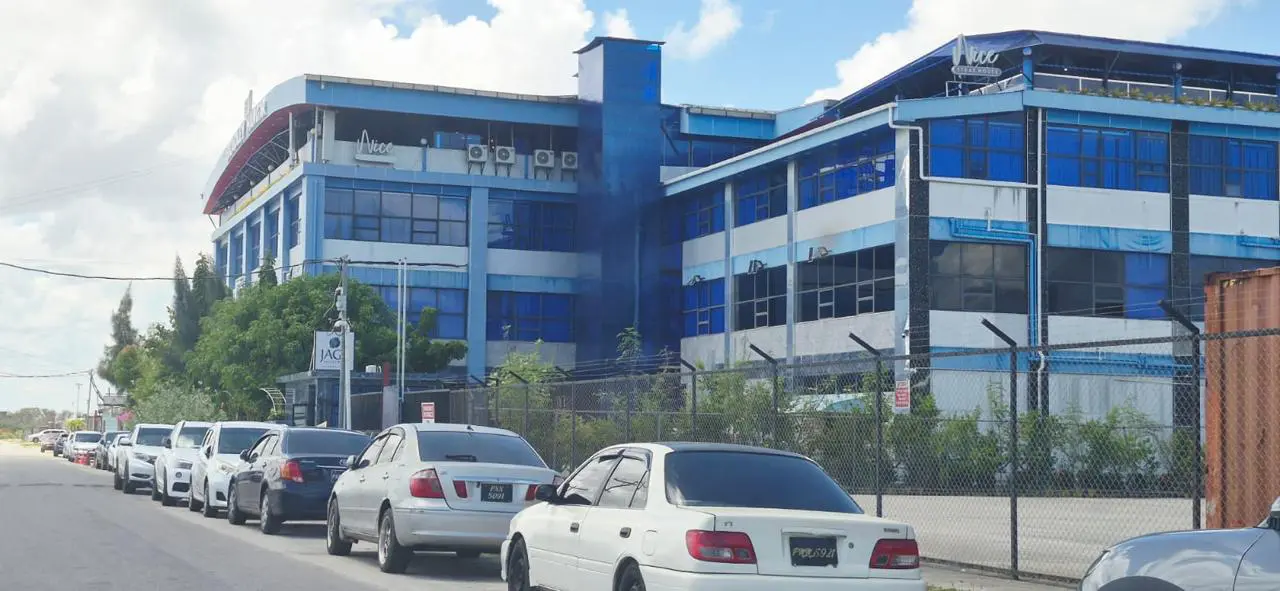
The absence of publicly available operational details continued even after the contract was awarded. When Kiskadee Watch visited BK International’s Ogle, East Coast Demerara office last month, no information could be gathered regarding the operation as the company’s boss Brian Tiwarie was unavailable to speak at the time.
Meanwhile, the 66-year-old Venezuelan, Luis Martinez, became unresponsive while undertaking diving operations at the site on October 28, with police disclosing his death four days later, initially referring only to an operation to refloat another vessel without identifying the MV Barima or the company conducting the work.
BK International subsequently confirmed that Martinez had been contracted through Salvamentos del Caribe C.A. and said a resident, full-time doctor was aboard during the operation. The company attributed his death to an apparent heart attack.
The circumstances surrounding Martinez’s death have further heightened concerns about the level of information being made available about the operation, including the contractors involved, safety arrangements and emergency response procedures.
During earlier engagements with relatives, commissioner Dr Andrzej Jasionowski had discussed the importance of ensuring that the salvage operation did not damage the vessel or destroy evidence that could assist investigators.
Yet, with the operation now underway, the public has not been provided with any information of the work being undertaken, the progress made or the arrangements in place to ensure the wreck and any evidence recovered from it remain intact.
Relatives have repeatedly protested and called for the vessel to be raised, not only to help establish what caused the tragedy but also in the hope of recovering the remains of loved ones who remain missing.








Discussion