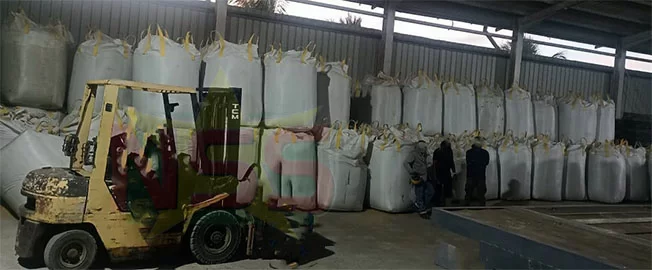
A suspected substance found at the warehouse holding seized Guyanese rice in Suriname was pest-control tablets rather than drugs, police spokesman Michel Elskamp has said, according to D-TV Express.
The clarification follows reports on Wednesday of a possible drug discovery at Food and Agriculture Industries (FAI) in Nickerie, where the approximately 385-tonne shipment imported by businessman Bhagwatpersad Ramadhin is being held.
D-TV Express reported that Elskamp identified the material as tablets used for fumigation, correcting the earlier reports of suspected narcotics.
Suriname Herald subsequently reported that initial forensic tests for cocaine and crack had returned negative results. Its earlier report had said police were investigating a possible drug discovery, while noting that Police Chief Melvin Pinas had not received an official report confirming that drugs had been found.
According to the later account, two small socks containing greyish powder were recovered from the warehouse floor. Whether they had come from the rice bags or were already in the building was unclear.
Ramadhin’s attorney, Vishal Rambharos, told the newspaper that fumigation tablets were commonly used to control insects in stored rice. He also questioned the alarm surrounding the discovery.
Starnieuws reported on Tuesday that the entire consignment had been unloaded from the vessel in Nickerie and transferred to FAI under police guard. Authorities maintained that the rice had entered Suriname without the required advance approvals.
It was previously reported, Ramadhin withdrew urgent court proceedings seeking the rice’s release and subsequently asked Customs to permit its return to Guyana, citing mounting costs.
His request remained unresolved in the reports reviewed. The shipment had arrived aboard the MV Falk for the B. Ramadhin Rice Factory in Nickerie and carried a phytosanitary certificate issued by Guyana’s National Plant Protection Organisation. Surinamese authorities said that certificate did not replace their own prior import approvals.











Discussion