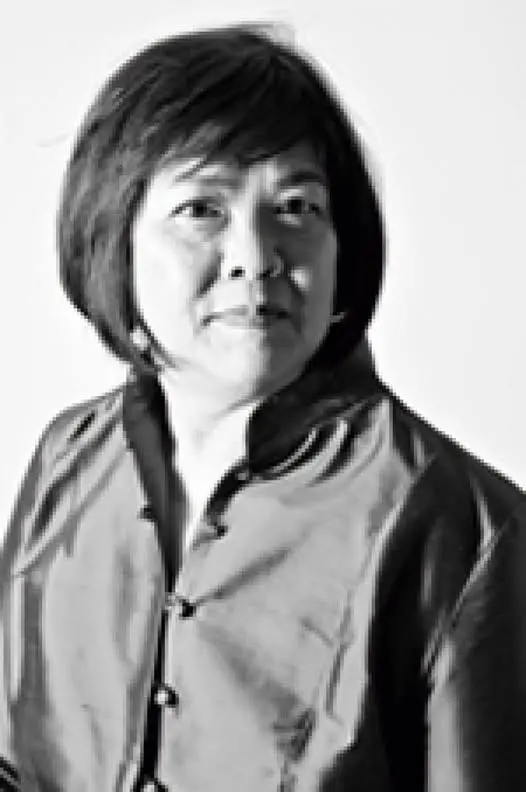
Guyanese novelist Jan Lowe Shinebourne, whose childhood at the Rose Hall sugar estate in Berbice shaped much of her writing, has died. Her passing was announced in a tribute shared by Rod Westmaas on behalf of the diaspora discussion group Guyana SPEAKS.
Shinebourne wrote four novels—Timepiece, The Last English Plantation, Chinese Women and The Last Ship—and the short-story collection The Godmother and Other Stories. Her first novel, Timepiece, won the Guyana Prize for Literature’s Best First Book of Fiction award in 1987. According to her publisher, Peepal Tree Press, she was the first woman to win a Guyana Prize.
Guyana SPEAKS called her “one of Guyana’s most fearless, incisive, and influential literary figures”, saying her novels and essays examined the country’s history, identities and divisions with honesty and intellectual rigour. Members of the group had discussed her work in book circles and public forums over the years, it said.
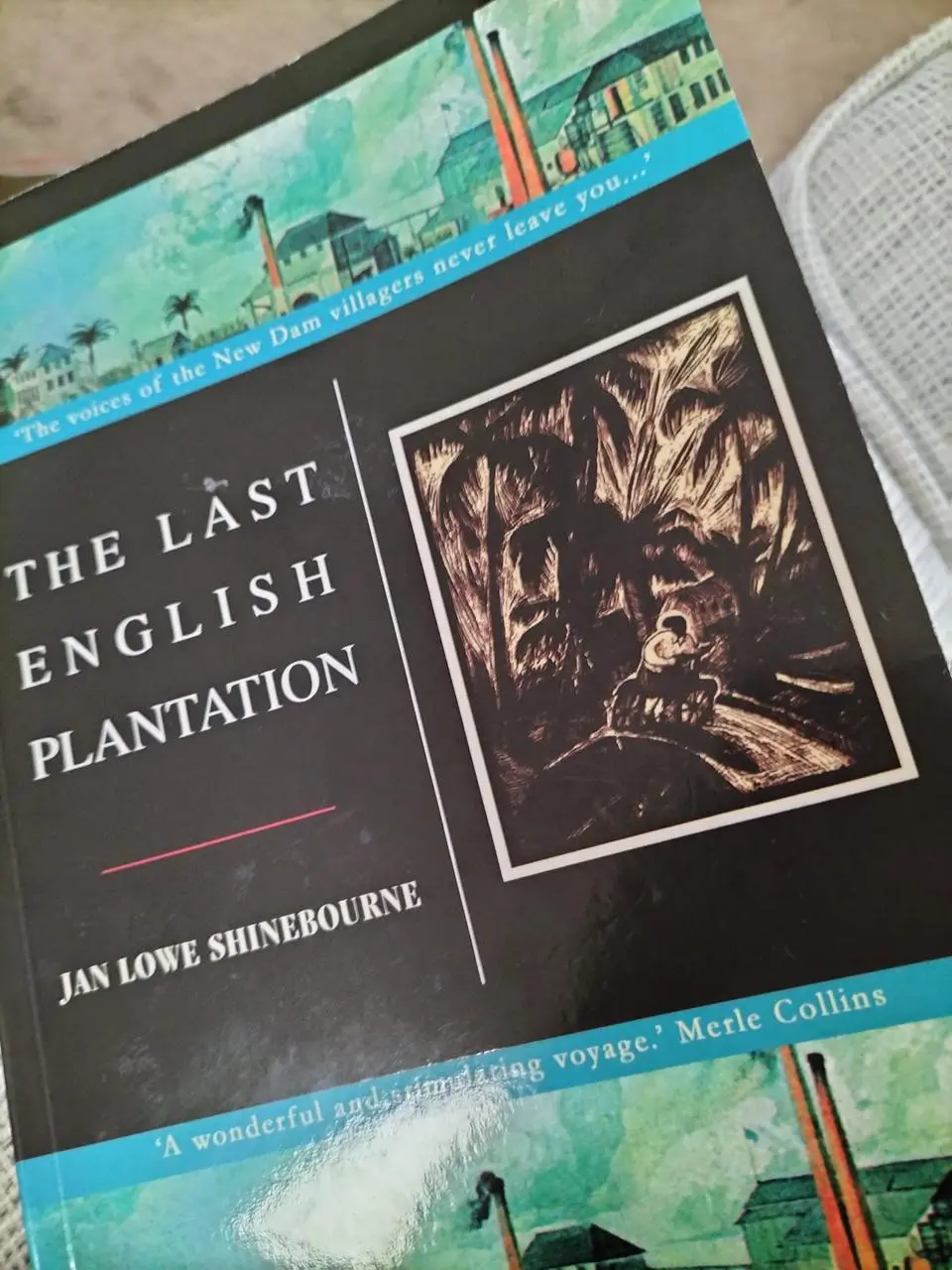
For Shinebourne, the starting point of that work was Rose Hall. In an essay titled “I’m a product of the sugar estate”, shared in 2019 and included with the tribute, she argued that the plantation was part of a history shared by many Guyanese whose ancestors had been brought to the country through slavery or indentureship. She wrote that her colonial education had taught her little about those histories, leaving people to understand one another through racial stereotypes.
She recalled growing up beside two estate logies and spending much of her childhood with the Mahabir family, whose home became a second home to her. She remembered playing with other children in the rain, swimming in the canal and eating meals prepared by Ivy Mahabir, to whom she was especially close. Those memories, she explained, gave her a lasting attachment to Rose Hall even as she came to examine the estate’s inequalities more critically in her fiction.
“So yes, I feel connected to Rose Hall by an umbilical cord that attaches my inner life to it,” she wrote, “and the inner life is where a writer’s imagination lives.”
After leaving Berbice to live and work in Georgetown in 1966, Shinebourne said she struggled to feel settled. Writing Timepiece helped her explore that dislocation. Its central character leaves her rural community for a job in the capital at a time of political upheaval and growing migration, but remains deeply attached to the village she has left behind. Shinebourne called the fictional village Pheasant to signify Rose Hall.
She said critics initially tended to read the novel as a story about a young woman’s coming of age, while overlooking what she regarded as central to it: the pull of a rural home amid Guyana’s social and political changes. The Last English Plantation returned to Rose Hall in the 1950s, while Chinese Women, she wrote, confronted the harsher conditions of estate life and the injustices of colonialism.
Her fourth novel, The Last Ship, drew on another part of her family history. Shinebourne wrote that she had sometimes been challenged about why she had not written more about Guyana’s Chinese community. The novel follows a Chinese family’s arrival in British Guiana and was informed in part by the story of her grandmother, Sarah Wong, who came to live and run a shop at Rose Hall. Stabroek News described the book, which was shortlisted for the Guyana Prize in 2015, as a work about three generations of a Chinese family in Guyana
In the essay, Shinebourne also recounted travelling to Guyana with novelist Wilson Harris in 1987, when both received Guyana Prizes. Their conversations about the hold that Guyana retained on Harris’s imagination helped her reflect on her own relationship with Rose Hall. She wrote that a writer could feel the need for distance from a place while remaining profoundly connected to it.
Born in Berbice, Shinebourne attended Berbice High School and the University of Guyana. She worked as a reporter in Georgetown, contributed to the literary magazine Expression and began writing in the mid-1960s, according to Peepal Tree Press.
Guyana SPEAKS extended condolences to her family, friends and colleagues, saying that her work would continue to inform discussions about Guyana and its past.
Shinebourne lived for many years in Ealing, West London, before moving to West Sussex in 2006, according to her publisher.











Discussion